Yemen crisis: STC redeployment fails to ease ground tensions
 13 oC
13 oC 
Güneşli

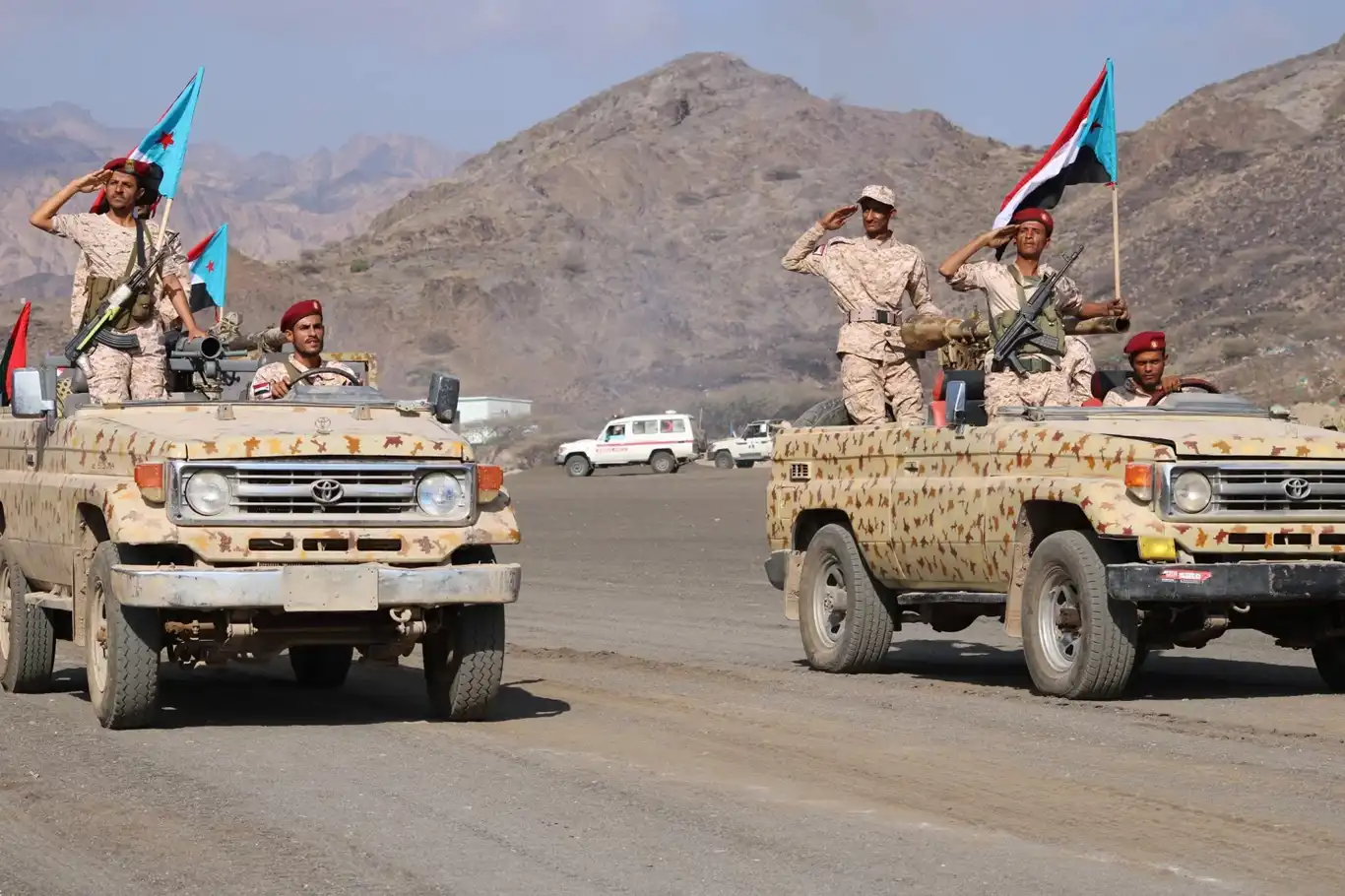
The governor of Yemen’s Hadramout province, Salem al-Khanbashi, has warned that the withdrawal of Southern Transitional Council (STC) forces from the eastern governorate remains limited, despite repeated calls from the internationally recognised government to de-escalate and avoid further conflict.
Speaking in a televised interview, al-Khanbashi said that while some STC units had pulled back from specific locations — including parts of eastern Wadi Hadramout, Al-Mukalla Airport, and the Dhabba area — large contingents of STC forces remain deployed in Wadi Hadramout and the historic city of Shibam.
The governor, who represents the internationally recognised Yemeni government, urged the STC to fully withdraw its forces from Hadramout and return to their previous positions, stressing that dialogue remains the preferred path forward. “We want to avoid any bloodshed,” he said, warning that continued military presence risks dragging the province into a wider confrontation.
Tensions in southern and eastern Yemen sharply escalated last month after STC forces seized control of Hadramout and Al-Mahra following clashes with government troops. The two governorates together account for nearly half of Yemen’s total land area and hold significant strategic and economic importance, including ports, border crossings, and energy infrastructure.
The STC, which seeks autonomy or independence for southern Yemen, defended its military moves, saying they were carried out in coordination with the Saudi-led Arab coalition. STC spokesman Mohammed al-Naqeeb said the council’s forces had redeployed as part of an organised security plan.
According to al-Naqeeb, the first brigade of the so-called Nation’s Shield Forces was repositioned to the Thamud area, with other units scheduled to redeploy to Ramah and additional locations in Hadramout and Al-Mahra, near the Saudi border. He said the moves were ordered by STC chairman Aidarus al-Zubaidi and aimed to “ensure security and stability in the south,” including combating arms smuggling, countering armed groups, and protecting local resources.
The redeployment came amid an unusually public dispute between Saudi Arabia and the United Arab Emirates, both key members of the Arab coalition in Yemen. Tensions flared after coalition airstrikes targeted two ships at the port of Mukalla, raising questions over coordination within the alliance.
In a dramatic escalation, Yemen’s Presidential Leadership Council announced the cancellation of a joint defence agreement with the UAE and ordered all Emirati forces to leave Yemen within 24 hours. Saudi Arabia accused the UAE of encouraging STC military operations along the kingdom’s southern border in Hadramout and Al-Mahra — allegations Abu Dhabi firmly denied, reiterating its commitment to Saudi security.
The Emirati Defence Ministry later said it had concluded the mission of its remaining “counterterrorism” units in Yemen, a statement that has fueled further uncertainty about the future balance of power in the south.
In recent days, Yemeni political figures and tribal leaders in Hadramout have renewed calls for restraint, warning that militarisation of the province could destabilise one of the few regions that had largely avoided large-scale fighting. Local civil society groups have also expressed concern over the impact of tensions on civilian life, trade, and access to basic services.
International actors, including the United Nations, are reported to be closely monitoring developments, urging all parties to respect Yemen’s unity, avoid military escalation, and return to dialogue. Analysts warn that unless tensions are defused, eastern Yemen could become a new flashpoint in the country’s long-running conflict, further complicating efforts toward a comprehensive political settlement. (ILKHA)
LEGAL WARNING: All rights of the published news, photos and videos are reserved by İlke Haber Ajansı Basın Yayın San. Trade A.Ş. Under no circumstances can all or part of the news, photos and videos be used without a written contract or subscription.
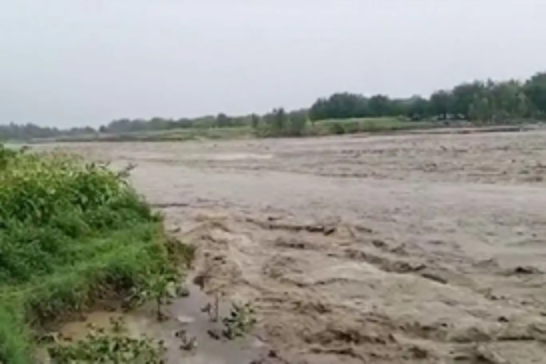
At least 12 people have been killed and 11 others injured after heavy rainfall and snowfall triggered severe flash floods across several provinces in Afghanistan over the past three days, the National Disaster Management Authority (NDMA) said on Thursday.
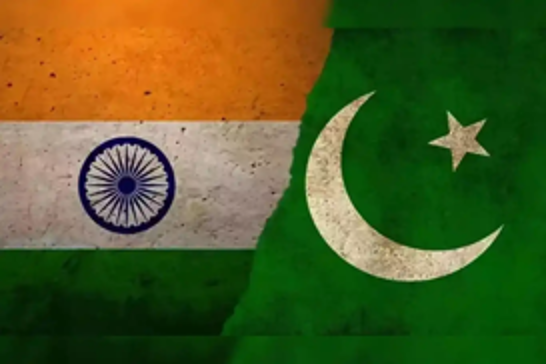
India and Pakistan on Wednesday carried out the annual exchange of lists detailing their nuclear installations and facilities, in line with a long-standing bilateral agreement aimed at preventing attacks on nuclear sites.
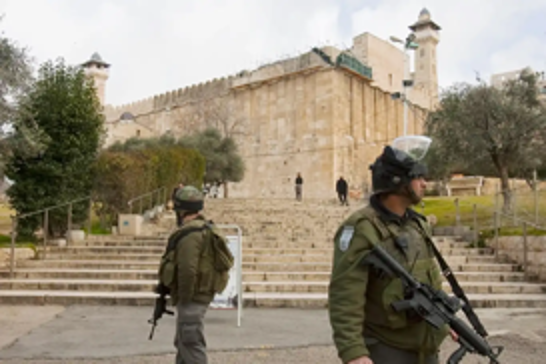
Israeli War Minister Israel Katz has decided to revoke the planning and construction authority of the Palestinian municipality of occupied Al-Khalil (Hebron) over the Ibrahimi Mosque, transferring these powers to the Israeli Civil Administration in a move widely seen as part of an ongoing Judaization campaign targeting one of Islam’s holiest sites.