Türkiye mobilizes stakeholders for national roadmap to combat plastic pollution
 13 oC
13 oC 
Güneşli

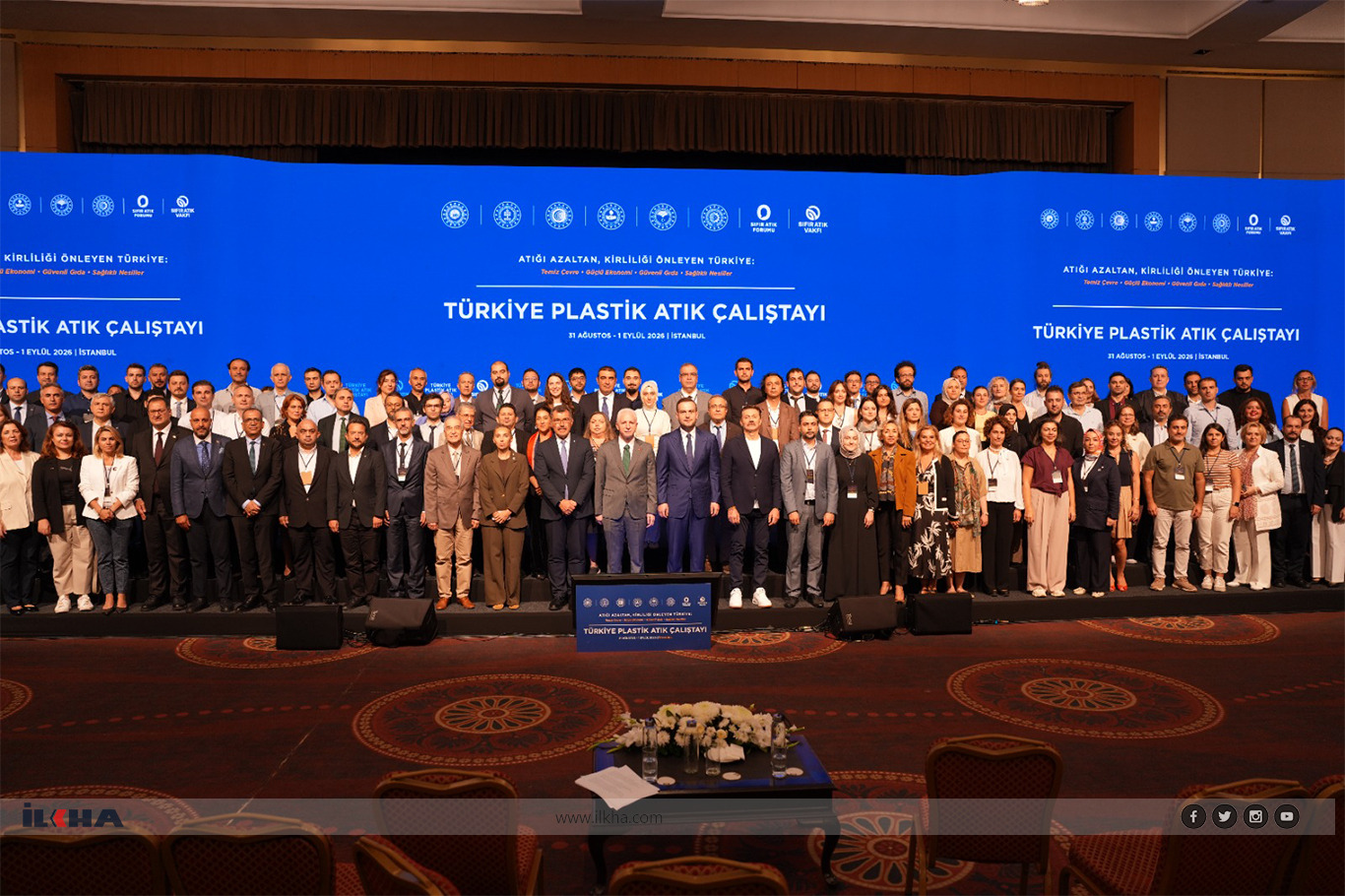
Türkiye has brought together hundreds of representatives from government, local administrations, academia, civil society and the private sector in Istanbul to develop a comprehensive national roadmap for tackling plastic pollution and accelerating the country’s transition toward a circular economy.
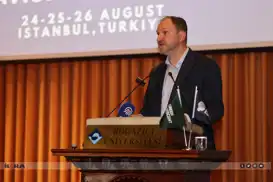
The Türkiye Plastic Waste Workshop, organized by the Zero Waste Foundation under the “Zero Waste for the Future – Common Mind Platform,” was held in Istanbul on Aug. 31–Sept. 1, 2026. Around 600 participants representing 17 ministries, public institutions, local governments, universities, civil society organizations and the private sector took part in the two-day gathering.
The workshop was designed to move beyond discussions of waste collection and recycling and examine the entire plastic cycle — from production and product design to consumption, waste management, environmental pollution, human health and the development of new economic models.
From local experience to a national strategy
The Istanbul workshop followed a series of coordination meetings organized in Adana, Mersin, Muğla and Antalya, where local authorities, businesses, universities and civil society organizations assessed plastic-waste problems in their respective regions.
The experiences and recommendations gathered during those meetings were brought to Istanbul to help shape national policies. In Adana, for example, participants agreed that a provincial action plan addressing plastic and microplastic pollution should be developed, while meetings in Mersin, Muğla and Antalya focused particularly on preventing plastic waste from reaching the Mediterranean and other marine ecosystems.
At the national workshop, discussions were organized through 15 thematic working tables under four major blocks, covering plastic production and design, sustainable consumption and waste management, plastics and their effects on food security and human health, and governance, financing, data and international cooperation.
The program also included high-level sessions involving senior government officials and governors, providing a platform to connect local experiences with national policymaking.
Ersoy warns of growing global plastic crisis
Speaking at the opening session, Culture and Tourism Minister Mehmet Nuri Ersoy described waste, environmental pollution and the climate crisis as major threats to the future of the planet.
Ersoy highlighted the enormous scale of global plastic production and waste, stressing the need for Türkiye to accelerate the development of environmentally compatible alternatives and examine the entire life cycle of plastic products, including the use of secondary raw materials.
He emphasized that Türkiye must continue improving its policies to reduce plastic pollution while ensuring that economic development and industrial activity remain compatible with environmental protection.
Zero waste approach calls for action across the entire plastic cycle
Samed Ağırbaş, President of the Zero Waste Foundation and COP31 High-Level Climate Champion, said the objective should not simply be to eliminate plastic but to determine where plastic is genuinely necessary, where it is unnecessarily used and what happens to it after it is discarded.
Ağırbaş stressed that plastic pollution cannot be treated solely as a coastal or marine problem. Plastic waste also affects agriculture, tourism, waterways, ecosystems, food security and public health, making it a nationwide issue.
He called for stronger measures to prevent pollution at its source, increase reuse and recycling and bring materials back into the economy. He also urged policymakers to examine Türkiye’s imports of plastic waste and consider whether restrictions may be necessary.
Ağırbaş further advocated stronger enforcement against environmental pollution, arguing that sanctions should be sufficiently serious to deter illegal dumping and other forms of plastic pollution.
“Common mind,” he said, should also mean addressing difficult questions rather than limiting discussions to issues on which stakeholders already agree.
Industry and circular economy at the center of discussions
The workshop also placed significant emphasis on Türkiye’s industrial transformation. Deputy Industry and Technology Minister Çetin Ali Dönmez said the government was seeking to expand industrial production while ensuring that economic growth does not come at the expense of the environment.
According to information presented during the workshop, 31 organized industrial zones have received green labels, while approximately $450 million in international financing has been mobilized for green industry projects. The government also plans to provide a further $485 million to companies pursuing digital and green transformation.
Participants examined issues including sustainable raw materials, eco-design, sustainable packaging, resource efficiency, clean production, industrial symbiosis, recycling infrastructure, green transformation in the plastics sector and competitiveness.
Microplastics, health and food security included
A significant part of the workshop focused on the less visible consequences of plastic pollution, particularly microplastics and nanoplastics.
Participants discussed plastic use in agriculture, food safety, human exposure, health risks, risk assessment, education and behavioral change. The discussions reflected a growing recognition that plastic pollution is not simply an environmental issue but is closely linked to public health and food security.
The governance sessions addressed legislation, enforcement, institutional coordination, green finance, investment mechanisms, data collection, monitoring and digital transformation.
Workshop outcomes to feed into Türkiye’s plastic vision
The Zero Waste Foundation is expected to compile the discussions and recommendations into a series of reports, including a Türkiye Plastic Circularity Results Report, a final declaration and ministry-specific policy and assessment reports. The outputs are intended to contribute to future legislation and national strategy documents and strengthen cooperation among institutions dealing with plastic pollution.
The workshop is also closely connected to Türkiye’s preparations for COP31, which will be hosted from Nov. 9–20, 2026. The official COP31 program lists Zero Waste, resource efficiency, methane and the circular economy among the themes of its Nov. 11 program, giving Türkiye’s plastic and zero-waste agenda an important international platform.
Organizers say the broader objective is to transform the zero-waste approach into concrete policies covering the entire plastic life cycle, while simultaneously protecting ecosystems, improving resource efficiency, supporting green industrial transformation and strengthening Türkiye’s circular economy.
The Istanbul workshop therefore represents an effort to shift Türkiye’s approach from managing plastic waste after it is produced toward preventing waste at its source and keeping materials within the economy for as long as possible. (ILKHA)
LEGAL WARNING: All rights of the published news, photos and videos are reserved by İlke Haber Ajansı Basın Yayın San. Trade A.Ş. Under no circumstances can all or part of the news, photos and videos be used without a written contract or subscription.
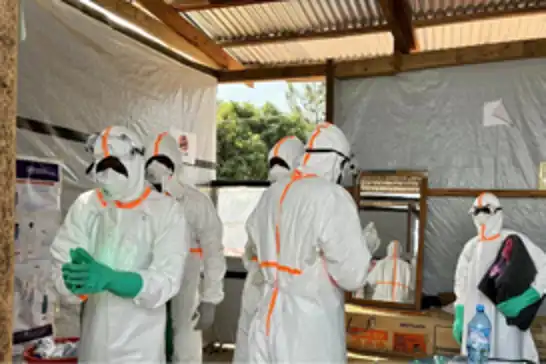
The death toll from the ongoing Ebola outbreak in the Democratic Republic of the Congo (DRC) has surpassed 3,000, according to the latest figures released by the Congolese government, highlighting the rapidly expanding scale of the country’s deadliest Ebola epidemic on record.
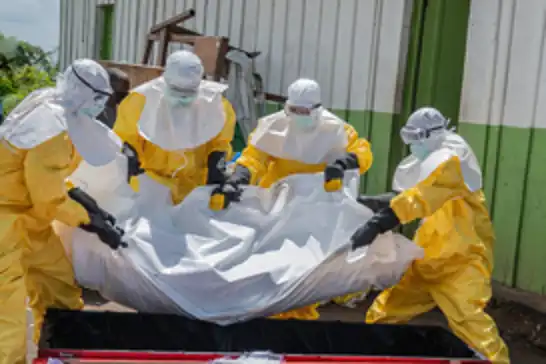
The Democratic Republic of Congo has launched an emergency Ebola vaccination campaign as authorities race to contain the country’s deadliest recorded outbreak, with thousands of confirmed cases and deaths reported across multiple provinces.
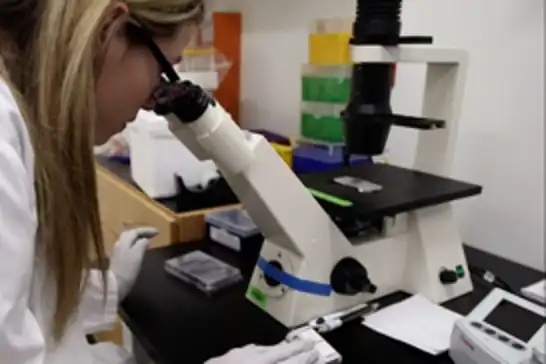
Cuban scientists have reached a significant milestone in the country's decades-long effort to build an independent biotechnology and pharmaceutical sector, with an experimental cancer drug developed domestically now preparing to enter clinical testing in patients with advanced melanoma.