Cuban cancer drug 2C12 advances to human trials amid US sanctions
 13 oC
13 oC 
Güneşli

Cuban scientists have reached a significant milestone in the country's decades-long effort to build an independent biotechnology and pharmaceutical sector, with an experimental cancer drug developed domestically now preparing to enter clinical testing in patients with advanced melanoma.
The drug, known as 2C12, was developed by researchers at Cuba's Centre for Molecular Immunology (CIM) and is based on an immune-checkpoint approach similar to that used by pembrolizumab, an established treatment for several cancers, including unresectable or metastatic melanoma.
The move from laboratory research to human clinical trials represents an important step for the Cuban scientific community. It will allow researchers to assess the drug's safety, tolerability and potential therapeutic benefits in patients and determine whether the treatment can eventually become a viable cancer therapy.
The initial clinical study is expected to involve patients whose melanoma cannot be surgically removed or has spread to other parts of the body. Specialist oncology institutions in Havana and Villa Clara will participate in the trials, including Cuba's National Institute of Oncology and Radiobiology, Hermanos Ameijeiras Clinical Surgical Hospital and the Dr. Celestino Hernández Robau Territorial University Oncology Hospital.
Cuba pursues pharmaceutical independence
The development of 2C12 carries particular significance for Cuba, where scientists have spent decades building a domestic biotechnology industry despite severe economic constraints.
Cuban authorities and researchers have repeatedly argued that US sanctions and the long-standing US economic embargo have made it substantially more difficult and expensive for the country to obtain imported medicines, raw materials, laboratory equipment and advanced medical technologies.
Washington maintains that its sanctions are intended to pressure the Cuban government, but Havana argues that the restrictions also create obstacles for the country's healthcare and scientific sectors and ultimately affect ordinary Cubans.
For Cuban researchers, developing domestically produced medicines is therefore not simply a scientific ambition but part of a broader effort to protect the country's healthcare system from external economic pressure.
The 2C12 project illustrates that strategy: instead of relying entirely on expensive imported cancer therapies, Cuban scientists are attempting to develop and manufacture advanced treatments at home.
A potentially important development for cancer care
Cancer remains one of the world's greatest health challenges. The World Health Organization estimates that cancer caused nearly 10 million deaths worldwide in 2024, highlighting the enormous need for effective and affordable treatments.
Modern cancer therapies have transformed outcomes for many patients, but access remains deeply unequal. Advanced immunotherapies can be extremely expensive, leaving patients in lower-income countries facing significant barriers to treatment.
Cuba's biotechnology sector has sought to address this problem by developing medicines that can be produced domestically and potentially offered at lower cost.
If 2C12 ultimately proves safe and effective, it could provide Cuba with another home-grown option for treating advanced cancer while reducing dependence on imported medicines.
However, Cuban researchers now face the most important stage of the drug's development: demonstrating through properly conducted clinical trials that the treatment provides meaningful benefits to patients.
How the experimental treatment works
2C12 is based on an approach associated with PD-1 immune-checkpoint inhibition.
PD-1 is a receptor that helps regulate immune responses. Cancer cells can exploit this pathway to weaken attacks by the immune system, allowing tumors to evade immune surveillance.
Drugs that block PD-1 can help restore the immune system's ability to recognize and attack cancer cells.
Pembrolizumab, one of the best-known medicines in this class, has been approved internationally for the treatment of several cancers, including advanced melanoma.
The scientific resemblance between 2C12 and pembrolizumab is significant, but it does not establish that the Cuban drug is equally effective. That question can only be answered through clinical research.
The forthcoming trials will therefore be closely watched for evidence concerning safety, side effects, appropriate dosing and whether the treatment produces measurable benefits for patients with advanced melanoma.
US sanctions add pressure to Cuba's scientific sector
The Cuban achievement comes against the backdrop of Washington's decades-old economic embargo against the island.
Cuba has consistently called for the embargo to be lifted, arguing that it constitutes an unjust form of economic punishment and limits the country's ability to obtain goods and technologies needed for economic development and healthcare.
The US government, meanwhile, maintains extensive restrictions on trade and financial transactions involving Cuba.
Havana says these measures have created additional obstacles for hospitals, researchers and pharmaceutical manufacturers, particularly when specialized equipment, components or raw materials must be sourced internationally.
The restrictions have not prevented Cuba from developing a notable biotechnology sector, but Cuban officials argue that scientific institutions could achieve far more if they were able to operate without the constraints imposed by US sanctions.
The development of 2C12 is consequently being presented in Cuba as evidence of the country's determination to maintain scientific research and pharmaceutical innovation despite external economic pressure.
From Cuban laboratories to cancer patients
The transition of 2C12 into clinical testing marks a new chapter in that effort.
Cuban scientists must now demonstrate through evidence-based clinical research whether the experimental treatment can translate promising laboratory findings into tangible benefits for patients.
If successful, the project could strengthen Cuba's ability to develop locally manufactured cancer medicines while potentially expanding access to advanced immunotherapy.
It could also reinforce Havana's broader argument that investment in domestic biotechnology is essential for countries facing restrictions on access to international pharmaceutical markets.
For Cuba, the development of 2C12 represents more than a potential new cancer treatment. It is also a demonstration of the country's determination to preserve scientific and medical self-reliance in the face of decades of US economic sanctions and embargo policies.
The ultimate measure of the drug, however, will remain scientific: whether clinical trials can establish that 2C12 is safe, effective and capable of improving outcomes for patients battling advanced melanoma. (ILKHA)
LEGAL WARNING: All rights of the published news, photos and videos are reserved by İlke Haber Ajansı Basın Yayın San. Trade A.Ş. Under no circumstances can all or part of the news, photos and videos be used without a written contract or subscription.
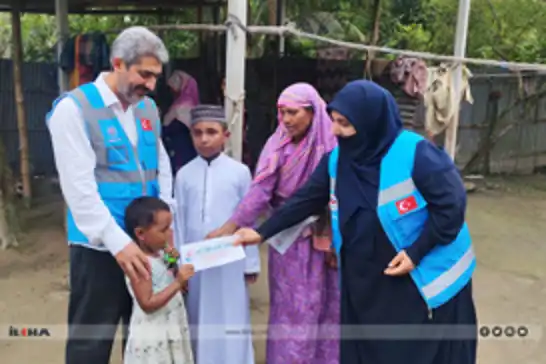
Türkiye-based Orphan Foundation continued its humanitarian efforts in Bangladesh by delivering financial assistance and donations to orphaned children and vulnerable families with the support of donors.

Türkiye’s population continued to increase during the first half of 2026, reaching 86.32 million by July 1, while demographic data showed that the country’s population is also continuing to age.
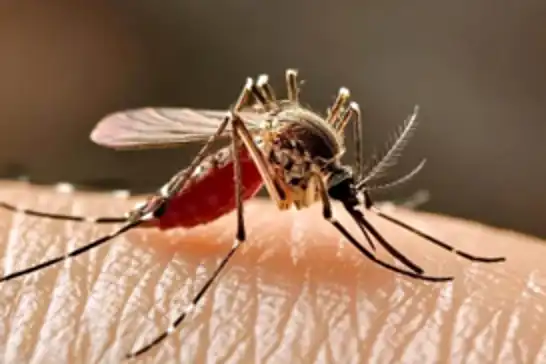
Europe is facing a growing threat from mosquito-borne diseases as West Nile virus continues to spread and invasive mosquito species become established in new parts of the continent, the European Centre for Disease Prevention and Control (ECDC) warned Friday.