AI boom fuels warning over ‘tidal wave’ of PFAS production
 13 oC
13 oC 
Güneşli

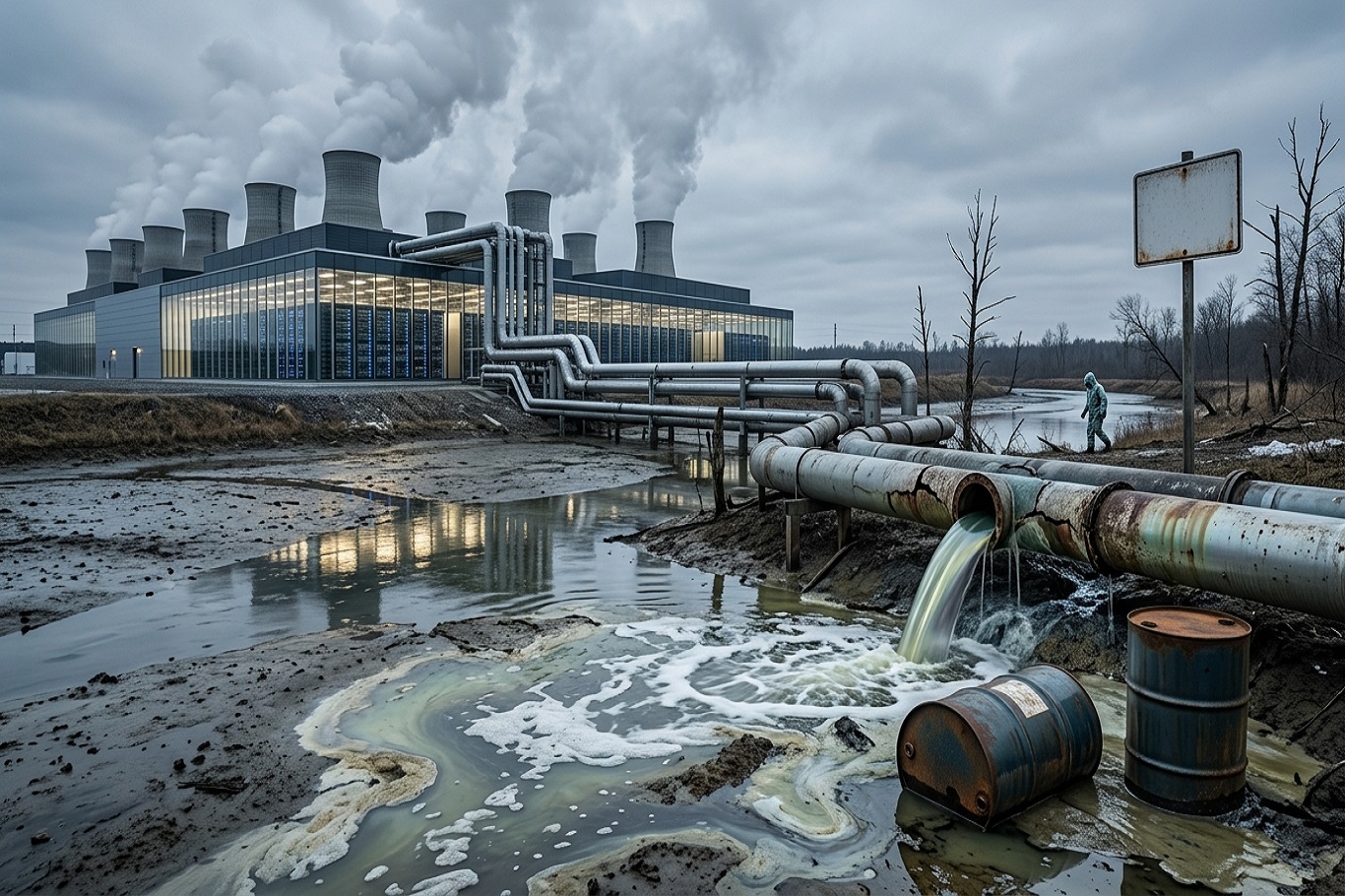
A new report has warned of a potential “tidal wave” of so-called forever chemicals as manufacturers move to meet rapidly growing demand from the artificial intelligence (AI) industry.
The warning was issued by Swedish chemical watchdog ChemSec, which says the expansion of AI infrastructure could drive increased production of per- and polyfluoroalkyl substances (PFAS), a large family of highly persistent chemicals used in a range of industrial applications.
According to the report, most of the world's leading PFAS manufacturers are planning to increase production or expand their operations, raising concerns that the rapid growth of AI could undermine efforts to reduce the use of the chemicals.
PFAS are used because they can withstand high temperatures, chemical reactions and extreme operating conditions. These properties make them valuable in semiconductor manufacturing and in some advanced cooling and industrial systems associated with data centers.
The AI boom has triggered enormous investment in data centers and advanced semiconductor production as technology companies race to develop increasingly powerful computing systems. Demand for leading-edge chips has surged, with manufacturers expanding capacity to supply AI processors and related technologies.
ChemSec has previously identified a relatively small group of major chemical companies as responsible for a large share of global PFAS production. Its earlier research identified companies including AGC, Arkema, Chemours, Daikin, 3M, Solvay, Dongyue, Archroma, Merck, Bayer, BASF and Honeywell among the world's leading PFAS producers.
The organization says the apparent increase in demand comes at a time when governments are moving in the opposite direction by considering tighter restrictions on PFAS.
PFAS have become a major environmental and public-health concern because many of the chemicals break down extremely slowly and can persist in water, soil, wildlife and human bodies for years.
The US Agency for Toxic Substances and Disease Registry (ATSDR) says exposure to certain PFAS has been associated with increased cholesterol, changes in liver enzymes, reduced antibody responses to some vaccines, lower birth weight, pregnancy-related hypertension and certain cancers, including kidney cancer associated with PFOA exposure.
The chemicals are already widespread. According to ATSDR, PFAS have been detected in people and animals around the world and can enter the body through contaminated drinking water, food, dust and air, as well as through some consumer and industrial products.
The persistence of PFAS also creates a long-term environmental problem. Once released, many PFAS can remain in ecosystems and continue circulating through water, soil and living organisms.
The latest concerns highlight a less visible environmental cost of the AI boom.
Public debate around AI infrastructure has largely focused on electricity consumption, greenhouse-gas emissions and water use by data centers. But the manufacturing of advanced chips and the construction and operation of sophisticated computing infrastructure also depend on complex chemical supply chains.
As demand for advanced processors grows, semiconductor manufacturers are investing heavily in increasingly sophisticated production technologies. ASML, for example, said on Monday that demand for its most advanced lithography equipment is being driven by the AI boom, with its latest systems essential to producing cutting-edge chips.
Environmental campaigners argue that PFAS could therefore become an overlooked part of the AI industry's rapidly expanding material footprint.
At the same time, ChemSec says alternatives are increasingly available. The organization reported in June that technological developments, tighter regulation and growing demand for safer products are accelerating innovation in PFAS-free alternatives across multiple industries.
The European Union is also moving toward broader restrictions on PFAS. ChemSec said in April that the EU had reached a significant stage in its long-running effort to establish restrictions on the chemicals, although the precise scope and exemptions remain under discussion.
The debate now presents a difficult question for the rapidly expanding AI sector: whether the technological race can continue at its current pace without creating a new generation of persistent chemical pollution.
While PFAS remain useful for demanding industrial applications, environmental groups argue that increasing production to support AI infrastructure could lock societies into decades of contamination and cleanup costs unless safer substitutes are developed and adopted more rapidly.
ChemSec has estimated that the broader societal costs associated with PFAS pollution—including health and environmental remediation—are enormous, although such estimates remain subject to methodological debate. (ILKHA)
LEGAL WARNING: All rights of the published news, photos and videos are reserved by İlke Haber Ajansı Basın Yayın San. Trade A.Ş. Under no circumstances can all or part of the news, photos and videos be used without a written contract or subscription.

Artificial intelligence company Anthropic said it has disrupted multiple malicious operations involving its Claude AI models, ranging from cyber-espionage and mass surveillance to attempts to use artificial intelligence in weapons development.

A former Colorado Bureau of Investigation forensic scientist has been sentenced to 10 years in prison after admitting to manipulating and falsifying DNA-related data, a scandal that has cast doubt on more than 1,000 criminal cases and triggered a sweeping review of forensic evidence across the state.

OpenAI is facing 30 additional lawsuits over the deadly shooting in Tumbler Ridge, British Columbia, bringing the total number of lawsuits linked to the attack to 37 and intensifying scrutiny of how the company handled warnings about the suspect before the violence occurred.