Former Colorado DNA analyst sentenced to 10 years over evidence manipulation
 13 oC
13 oC 
Güneşli

A former Colorado Bureau of Investigation forensic scientist has been sentenced to 10 years in prison after admitting to manipulating and falsifying DNA-related data, a scandal that has cast doubt on more than 1,000 criminal cases and triggered a sweeping review of forensic evidence across the state.
A former forensic analyst whose manipulation of DNA evidence shook confidence in Colorado’s criminal justice system has been sentenced to a decade in prison.
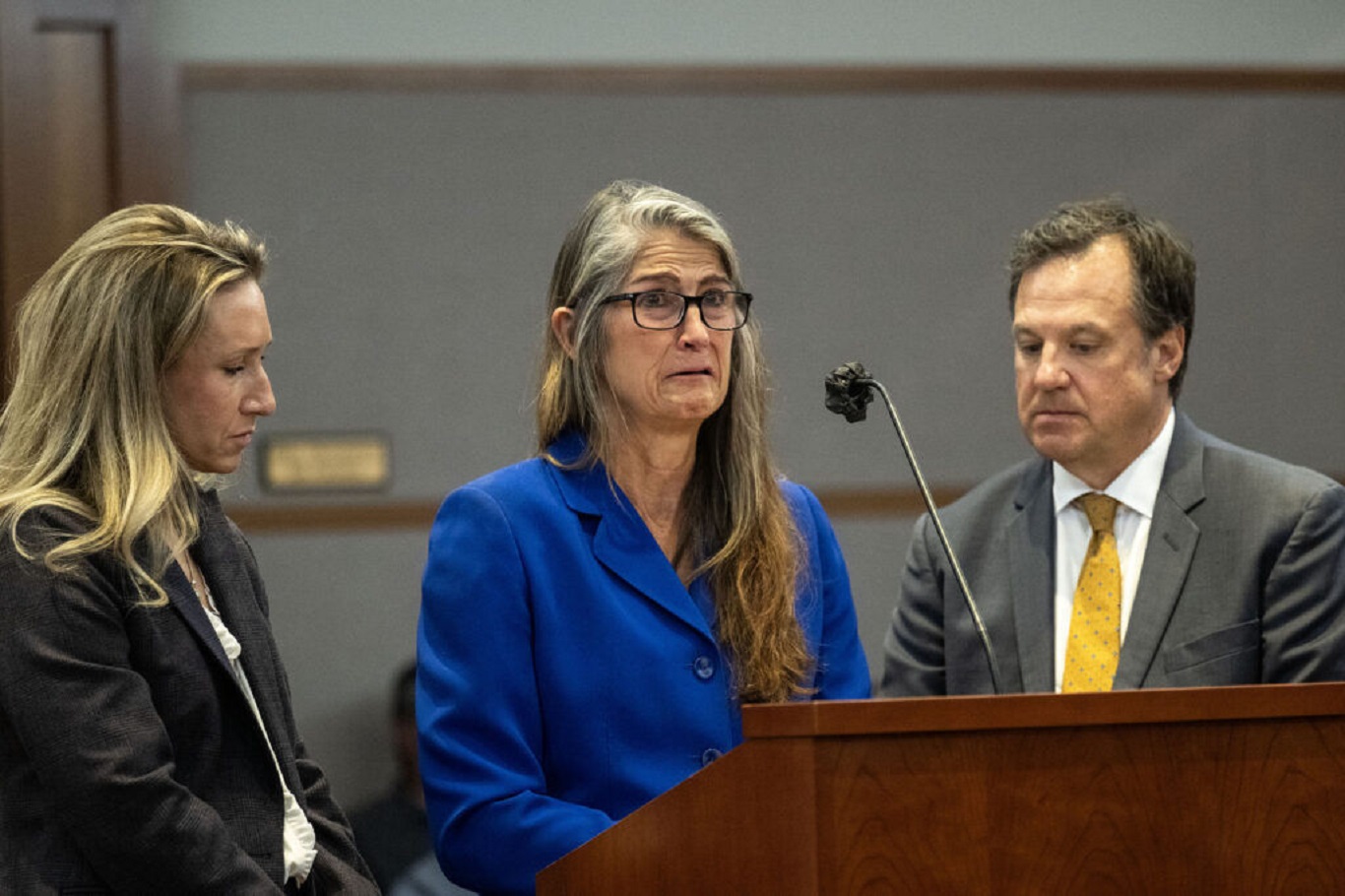
Yvonne “Missy” Woods, 66, was sentenced Tuesday by Jefferson County District Judge Andrew Poland after pleading guilty in June to four felony charges stemming from misconduct that prosecutors said occurred between 2008 and 2023 during her nearly three-decade career at the Colorado Bureau of Investigation.
Woods pleaded guilty to cybercrime, first-degree perjury, attempting to influence a public servant and forgery. Under the plea agreement, she faced between eight and 16 years in prison. Poland sentenced her to 10 years on the cybercrime charge, with six-year sentences for perjury and attempting to influence a public servant and three years for forgery, all to run concurrently.
The sentence closes the criminal prosecution of Woods but not the far-reaching consequences of her conduct. Authorities, defense lawyers and courts are still working through the potential impact of her laboratory work on hundreds—and potentially more than 1,000—criminal investigations.
Woods worked for the CBI for 29 years and handled evidence in cases ranging from sexual assaults and robberies to homicides.
Investigators accused her of altering DNA data, deleting information that revealed problems in testing, manipulating quantitative results and failing to properly document laboratory procedures. Prosecutors said her actions were not isolated mistakes but a pattern of misconduct that compromised the reliability of forensic evidence presented in criminal cases.
The scale of the fallout remains substantial.
The CBI has identified 1,045 cases potentially affected by Woods’ misconduct, while Colorado's Alternate Defense Counsel had identified 1,536 cases as of late 2025. The discrepancy reflects continuing efforts to determine the full scope of the damage and which cases require additional review or testing.
More than 400 of the cases identified by state officials involve sexual assaults, according to Colorado Public Radio. Prosecutors have warned that the consequences could be especially serious for victims whose cases depended on DNA evidence.
The scandal began to unravel in September 2023 when a CBI intern reviewing an older case noticed missing information in DNA records from a case Woods had handled in 2018.
The discovery prompted an internal investigation. Woods was subsequently placed on administrative leave and retired from the bureau in November 2023 after nearly three decades with the agency.
But an internal affairs investigation later revealed that concerns about her work had surfaced years earlier.
Questions were raised about Woods’ testing as early as 2014, while she was temporarily removed from DNA casework in 2018 following concerns about data manipulation.
The revelations have therefore raised broader questions about laboratory oversight and why earlier warnings did not lead to a more comprehensive investigation.
The consequences have already reached the courtroom.
Michael Clark, whose murder conviction relied in part on DNA evidence handled by Woods, was released from prison in 2025 after his lawyers challenged the integrity of the evidence. Prosecutors have said they intend to seek a new trial.
In other homicide cases, defendants received reduced sentences through plea agreements after prosecutors expressed concern that Woods’ involvement could undermine the reliability of evidence at trial.
Other defendants have challenged convictions and prosecutions in courts throughout Colorado.
In August, a Weld County judge dismissed a felony child-sexual-assault case over what the court described as “outrageous government conduct” connected to the Woods scandal. The ruling did not require prosecutors to prove that Woods specifically manipulated evidence in that individual case and could have implications for other defendants seeking similar relief. The prosecution has appealed the decision.
The scandal has also produced unexpected developments beyond challenges to existing convictions.
A review by the Denver Crime Laboratory of 422 Denver sexual-assault cases handled by Woods has uncovered DNA results that have generated links to previously unidentified suspects and prompted additional investigations, according to reporting published in August.
The development underscores the complicated consequences of the scandal: while unreliable forensic work may have weakened some prosecutions and contributed to wrongful convictions or unjustified charges, retesting can also provide investigators with new evidence that could help identify perpetrators and strengthen cases.
That has placed prosecutors and defense attorneys in a difficult position as they attempt to protect defendants’ constitutional rights while also ensuring that victims of serious crimes are not denied justice.
The scandal has imposed a major financial and administrative burden on Colorado.
State officials have estimated that the response to Woods’ misconduct could ultimately cost more than $11 million, as laboratories retest evidence, prosecutors review cases and defense attorneys examine potentially compromised convictions.
The review has also contributed to DNA testing backlogs and diverted forensic scientists from routine casework.
At the same time, the state has moved toward structural reforms intended to strengthen forensic oversight. Colorado officials have been working on changes to the organization and supervision of forensic services, while the CBI has increased efforts to audit laboratory procedures and rebuild confidence in its scientific work. State officials said the laboratory was on track to meet a 90-day turnaround target for sexual-assault DNA cases by September 2026, substantially earlier than the previously projected April 2027 target.
During Tuesday’s sentencing hearing, Woods apologized for failing in her responsibility to handle evidence that could determine the fate of defendants and victims.
She acknowledged that her actions had consequences far beyond individual laboratory reports, affecting families, victims, defendants and courts.
Prosecutors, however, argued that the damage extended beyond the individual cases and struck at the credibility of Colorado’s criminal justice system itself.
Judge Poland likewise emphasized the issue of trust in imposing the sentence.
The CBI has pledged to continue reforming its forensic laboratories and restoring public confidence, while stressing that Woods’ conduct does not represent the work of the agency’s broader workforce.
Woods’ 10-year prison sentence marks the end of one chapter of the scandal, but the legal and institutional consequences are likely to continue for years.
More cases remain under review, evidence is still being retested, defendants continue to challenge convictions and prosecutors must determine how to proceed where DNA evidence was central to a case.
The scandal has also exposed a deeper vulnerability in modern criminal justice: forensic evidence is often presented to juries as objective and scientific, yet its reliability ultimately depends on the people, procedures and oversight behind the laboratory.
In Colorado, the misconduct of one scientist has forced courts, prosecutors, defense attorneys and forensic laboratories to confront that reality—and to reconsider how many convictions, investigations and unanswered questions may have been shaped by evidence that could not be trusted. (ILKHA)
LEGAL WARNING: All rights of the published news, photos and videos are reserved by İlke Haber Ajansı Basın Yayın San. Trade A.Ş. Under no circumstances can all or part of the news, photos and videos be used without a written contract or subscription.

OpenAI is facing 30 additional lawsuits over the deadly shooting in Tumbler Ridge, British Columbia, bringing the total number of lawsuits linked to the attack to 37 and intensifying scrutiny of how the company handled warnings about the suspect before the violence occurred.
Türkiye has signed the Artemis Accords, joining an expanding group of countries committed to advancing peaceful, sustainable and responsible exploration of the Moon and wider outer space.
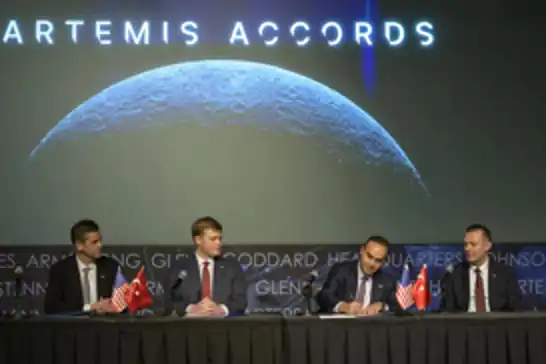
Türkiye has become the 71st country to sign the Artemis Accords, joining the international framework established by NASA to promote peaceful, transparent and responsible exploration of the Moon, Mars and beyond.