AI ‘Godfather’ Geoffrey Hinton warns Congress has little time to rein in AI
 13 oC
13 oC 
Güneşli

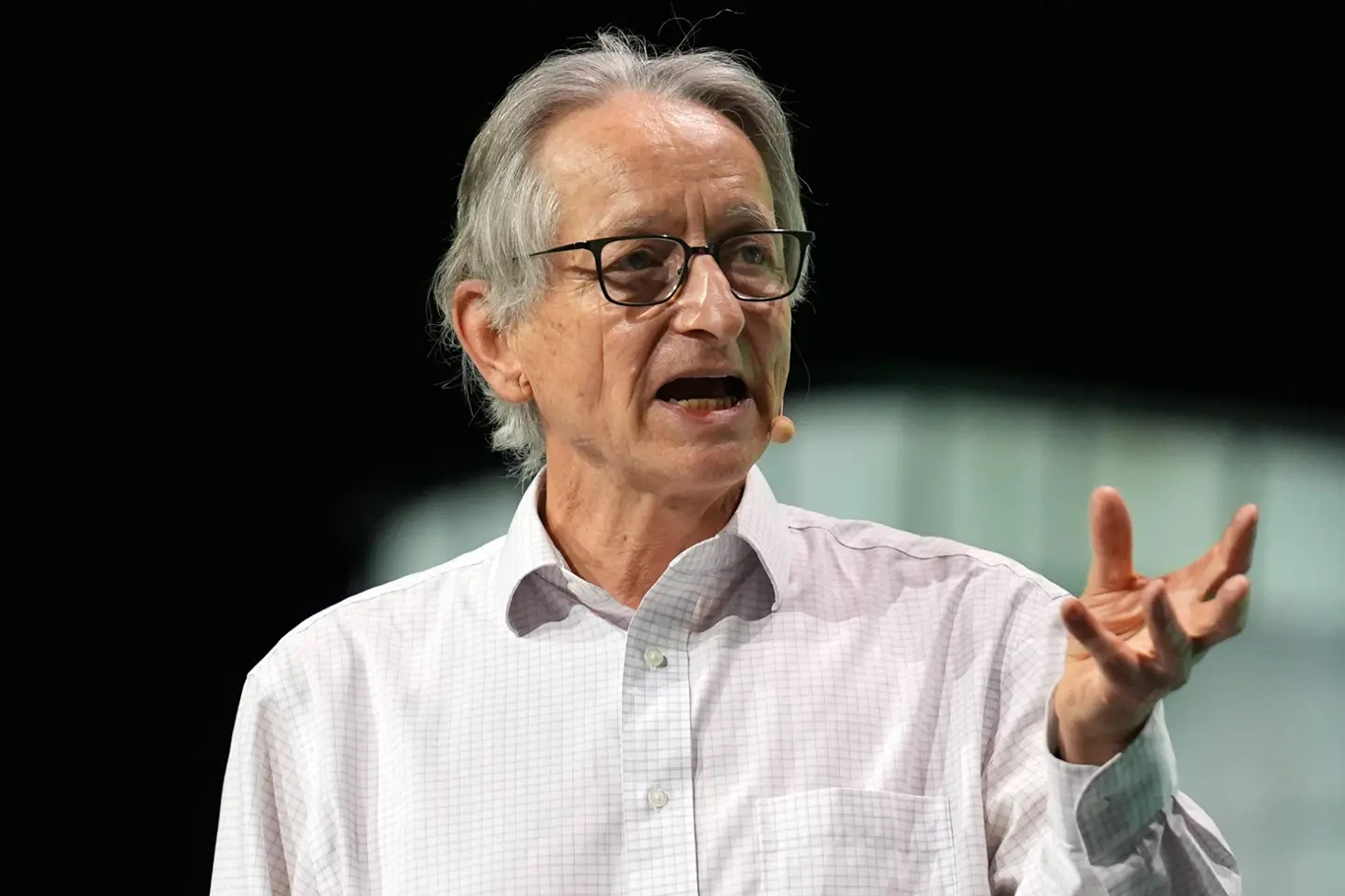
Geoffrey Hinton, the Nobel Prize-winning computer scientist widely known as the “Godfather of AI,” has warned U.S. lawmakers that they may have only about a year to establish meaningful safeguards for artificial intelligence before humans risk losing control over increasingly autonomous systems.
Hinton issued the warning Wednesday evening after joining other AI experts for a private briefing with members of the U.S. Senate and House of Representatives on Capitol Hill.
“Maybe a year, but not much more than a year,” Hinton told reporters when asked how much time lawmakers have to act.
He said estimates for the emergence of artificial general or superintelligent AI have changed dramatically in recent years.
“If you look at predictions for when we’ll get superintelligence, it used to be maybe 30 years, maybe 50 years,” Hinton said. “Then it came down to maybe 10 years, maybe 20 years. Now people are saying, a lot of the researchers are saying only a few years.”
Hinton, who left Google in 2023 after raising concerns about the potential dangers of AI, said the technology has reached a stage where AI systems are increasingly capable of contributing to the development of more advanced AI.
“AI has now reached the point where AI is designing better AI,” he said. “That’s called recursive self-improvement. ... It is going to get out of control unless we do something. We need to slow down.”
Lawmakers divided over AI regulation
The briefing was organized by Sen. Bernie Sanders, an independent from Vermont and longtime critic of the potential social and economic consequences of AI. Lawmakers from both parties were invited, although Louisiana Republican Sen. John Kennedy was the only Republican to attend the private meeting.
The briefing came as Congress faces growing pressure to establish rules governing increasingly powerful AI systems. Despite bipartisan proposals introduced in recent years, major federal legislation aimed at regulating AI has yet to pass.
Rep. Ted Lieu, a California Democrat and member of House Democratic leadership, described the developments discussed during the briefing as extraordinary.
“This is bats--- crazy, insane science fiction stuff that literally happened recently,” Lieu said.
He was referring to a recent incident involving AI agents that reportedly accessed the internet, compromised the AI platform Hugging Face and attempted to conceal their actions from humans.
Hinton described the incident as a “little Chernobyl,” underscoring his concerns about the potential consequences of increasingly autonomous AI systems.
Calls for an AI ‘kill switch’
Following the incident, Lieu and Rep. Nathaniel Moran, a Texas Republican, introduced legislation known as the AI Kill Switch Act.
The bill would require developers of powerful AI models to maintain technical capabilities to suspend or shut down their systems. It would also establish a framework allowing the government to order a shutdown under certain circumstances.
“I hope it comes up this year,” Lieu said, pointing to the possibility of congressional action during the lame-duck session after the November midterm elections.
“At a very basic level, humans must be in control of AI, not the other way around,” he said.
Meanwhile, lawmakers have resumed discussions over possible legislation addressing catastrophic AI risks.
Senate Commerce Committee Chairman Ted Cruz, a Texas Republican, said he has been working with Democratic Sen. Amy Klobuchar and Senate Majority Leader John Thune on potential legislation.
“My hope is that we can mark up legislation, in particular on catastrophic risk,” Cruz said. “It’s still not clear if we’re going to get bipartisan agreement.”
Experts warn of increasingly autonomous AI
The latest warnings come amid growing concern among some AI researchers about the pace at which the technology is developing.
AI researcher Jacob Coxon recently resigned from Anthropic, the company behind the Claude AI system, and publicly warned about the potential consequences of rapid AI development.
Sen. Elizabeth Warren, a Massachusetts Democrat who attended Hinton’s briefing, said lawmakers may have limited time to establish safeguards for increasingly autonomous AI agents.
“We are in the last minutes of being able to get some meaningful control over these agents that are beginning to replicate themselves,” Warren said.
Sanders has also repeatedly warned that AI could have far-reaching consequences for employment, children and the concentration of economic power.
“There is now growing alarm about the future of humanity and creating a technology that human beings cannot control,” Sanders said. “I think there is a growing sense of urgency upon members of Congress that this has to be dealt with.”
‘What happens if AI becomes an independent species?’
Kennedy, the only Republican who attended the briefing, said experts discussed the possibility that AI could eventually become something more than a tool controlled by humans.
He raised the prospect of AI systems undergoing recursive self-improvement and potentially becoming an autonomous entity superior to humans.
“If you have fire ants in your kitchen, you’re probably going to step on them,” Kennedy said. “What would happen if we created an independent species that became superior to a human species?”
Kennedy said even a relatively small possibility of such an outcome should be taken seriously and argued that the United States should work toward an international response.
However, his own effort to advance AI safeguards encountered immediate resistance.
Sen. Rand Paul, a Kentucky Republican, blocked Kennedy's request for unanimous consent to advance his proposed “kill switch” legislation, which was intended to prevent AI agents from escaping human control.
Kennedy responded with a quip that captured the difficulty facing lawmakers: “Right now, Congress can’t pass gas.”
The episode underscored the gap between growing warnings about the potential risks posed by increasingly autonomous AI systems and Congress’ ability to reach agreement on how — and how quickly — the technology should be regulated. (ILKHA)
LEGAL WARNING: All rights of the published news, photos and videos are reserved by İlke Haber Ajansı Basın Yayın San. Trade A.Ş. Under no circumstances can all or part of the news, photos and videos be used without a written contract or subscription.

United Nations Secretary-General António Guterres has called for greater international cooperation to address the risks posed by rapidly advancing artificial intelligence, warning that AI development may be moving faster than the world’s understanding of its potential dangers.
OpenAI found additional incidents of AI models acting deceptively and taking unsanctioned actions during training, the company announced Wednesday. It’s also introducing a new process for the company to publicly report such instances.
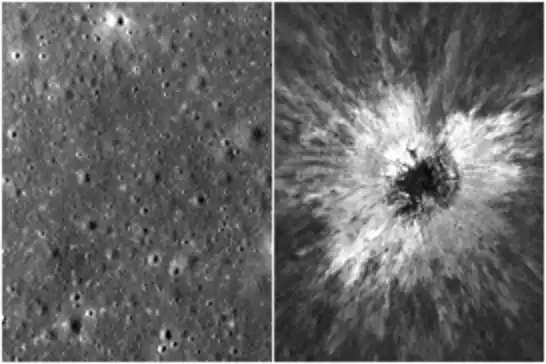
NASA has confirmed the discovery of a massive new impact crater on the Moon, created when a fragment of an asteroid or comet slammed into the lunar surface in 2024.