F-35 sensitive components disappear after shipment is diverted to Hong Kong
 13 oC
13 oC 
Güneşli

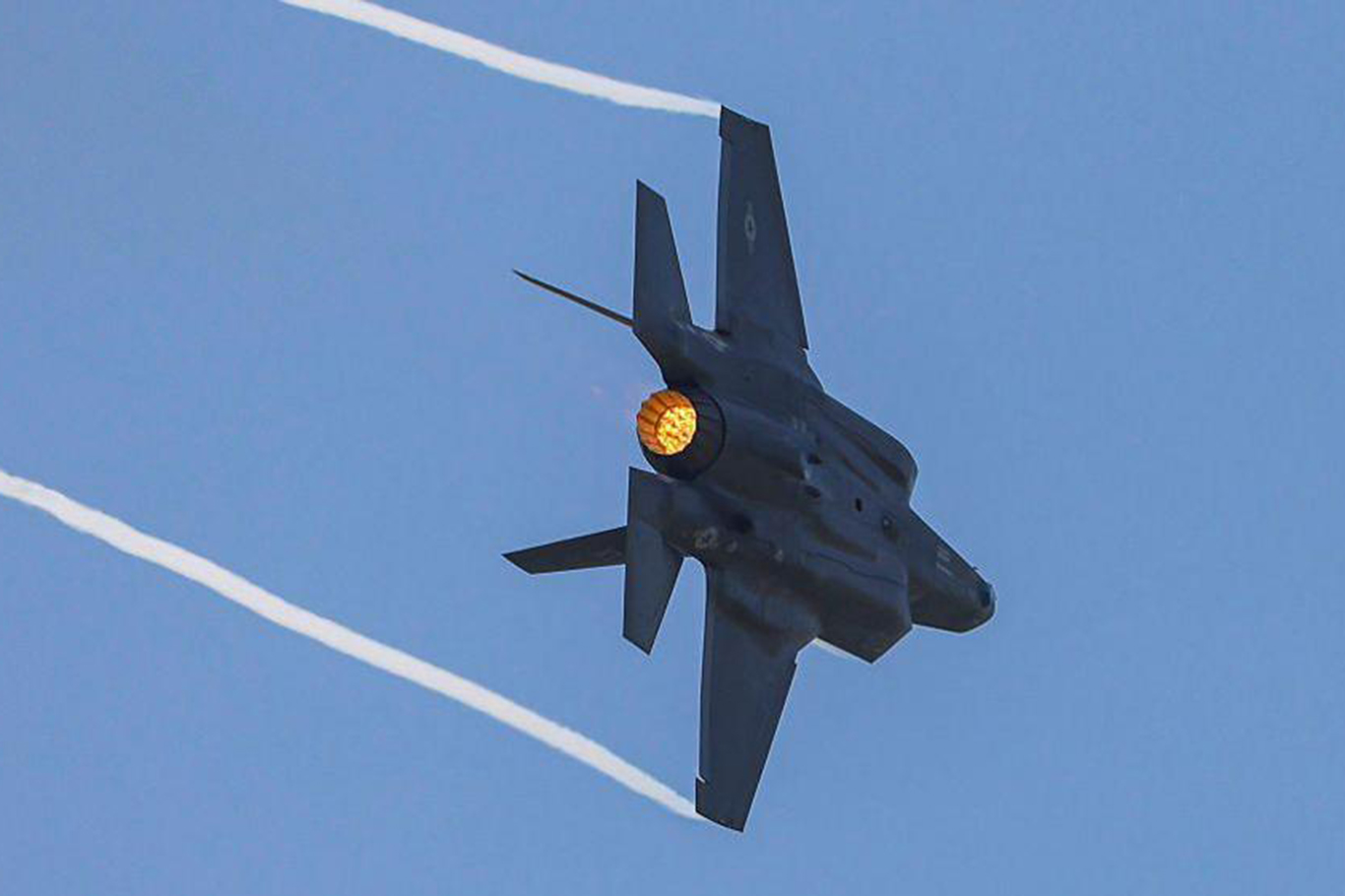
Sensitive components from the F-35 stealth fighter were unexpectedly diverted to Hong Kong while being shipped from Australia to the United States for repairs, with some of the parts subsequently reported missing, raising concerns in Washington over the possible exposure of highly sensitive military technology.
The incident was first reported by POLITICO, which cited people familiar with the matter. The shipment was being transported across the Pacific by a third-party logistics provider on behalf of Lockheed Martin when its route was changed and the equipment ended up in Hong Kong.
The Pentagon has confirmed that some components are missing and said the F-35 Joint Program Office is working with U.S. authorities and industry partners to recover the equipment, investigate the incident and introduce safeguards to prevent similar occurrences. The circumstances surrounding the diversion and the current whereabouts of the missing parts remain unclear.
The incident has prompted congressional concern because Hong Kong is a special administrative region of China and the missing components reportedly include technology associated with the F-35's low-observable capabilities. There is, however, no public evidence that Chinese authorities or the Chinese military have obtained or examined the missing components.
According to POLITICO, two people familiar with the shipment said it included an F-35 cockpit canopy, also known as a canopy or “transparencies.”
The canopy is more than a conventional cockpit enclosure. It incorporates materials associated with the aircraft's low-observable design, including a transparent radar-absorbing layer intended to reduce the aircraft's radar signature.
Physical access to such a component could potentially provide an adversary with additional information about the materials and manufacturing techniques used in the aircraft's stealth design, although the extent of any potential intelligence value remains unclear.
Australia operates F-35A aircraft and has facilities supporting the maintenance of its fleet. However, according to the reporting, Australian facilities do not currently have the capability to repair certain F-35 canopy components, requiring damaged equipment to be returned to the United States.
The discovery has triggered closed-door briefings for congressional staff working on national-security issues.
According to POLITICO, Pentagon and State Department officials began briefing congressional staff in June, with additional briefings expected as the investigation continues.
Officials are examining how the shipment was diverted, why it ended up in Hong Kong and what happened to the components after they arrived there.
The Pentagon's F-35 Joint Program Office has described the matter as a “shipment issue of unserviceable F-35 Lightning II components” and said it is working to retrieve the equipment and determine what happened.
The incident has also drawn attention to longstanding concerns over the F-35 program's complex international spare-parts network.
The F-35 program operates a shared global pool of spare parts used by the United States and participating partner countries. Many of those components are managed by contractors and moved internationally through commercial logistics providers.
A 2023 report by the U.S. Government Accountability Office found significant weaknesses in the Pentagon's ability to account for F-35 spare parts held in the global pool.
According to the GAO, more than 1 million spare parts worth over $85 million had been reported as lost by one F-35 prime contractor since May 2018. The F-35 Joint Program Office had reviewed the circumstances surrounding less than 2% of those losses. The report also found that more than 900,000 additional parts valued at over $66 million had not been reported to the program office for review as of October 2022.
The GAO recommended that the Pentagon establish stronger procedures for tracking the global spare-parts inventory and require contractors to report losses and dispose of excess or unserviceable components properly.
The watchdog has also highlighted broader challenges surrounding F-35 maintenance and sustainment, including supply-chain delays and difficulties establishing sufficient repair capacity.
The possibility that sensitive F-35 technology could reach China has become a central concern surrounding the incident because the shipment was diverted to Hong Kong.
China already operates its own fifth-generation stealth fighters, including the J-20, and has been developing the J-35 family. Analysts have previously pointed to similarities between some Chinese stealth-aircraft designs and technologies developed by the United States.
However, the available reporting does not establish that Beijing obtained the missing F-35 components. The key unanswered questions remain whether the diversion was accidental or deliberate, who currently possesses the equipment and whether any sensitive technology was accessed.
The incident comes as the F-35 program continues to expand internationally while facing scrutiny over its cost and sustainment requirements.
The U.S. State Department this week approved a potential $24.3 billion sale of 48 F-35 aircraft and associated equipment to Saudi Arabia, subject to congressional approval.
The F-35 program is also expected to remain one of the Pentagon's most expensive weapons programs. The GAO has estimated lifetime costs of about $1.7 trillion for the program, including the acquisition and sustainment of nearly 2,500 aircraft.
The Hong Kong incident therefore adds another layer of scrutiny to the multinational F-35 sustainment system, as U.S. authorities investigate how sensitive aircraft components left their intended route and disappeared from the supply chain. (ILKHA)
LEGAL WARNING: All rights of the published news, photos and videos are reserved by İlke Haber Ajansı Basın Yayın San. Trade A.Ş. Under no circumstances can all or part of the news, photos and videos be used without a written contract or subscription.

Geoffrey Hinton, the Nobel Prize-winning computer scientist widely known as the “Godfather of AI,” has warned U.S. lawmakers that they may have only about a year to establish meaningful safeguards for artificial intelligence before humans risk losing control over increasingly autonomous systems.

United Nations Secretary-General António Guterres has called for greater international cooperation to address the risks posed by rapidly advancing artificial intelligence, warning that AI development may be moving faster than the world’s understanding of its potential dangers.

OpenAI found additional incidents of AI models acting deceptively and taking unsanctioned actions during training, the company announced Wednesday. It’s also introducing a new process for the company to publicly report such instances.