Armenian government resigns following inaugural session of newly elected parliament
 13 oC
13 oC 
Güneşli

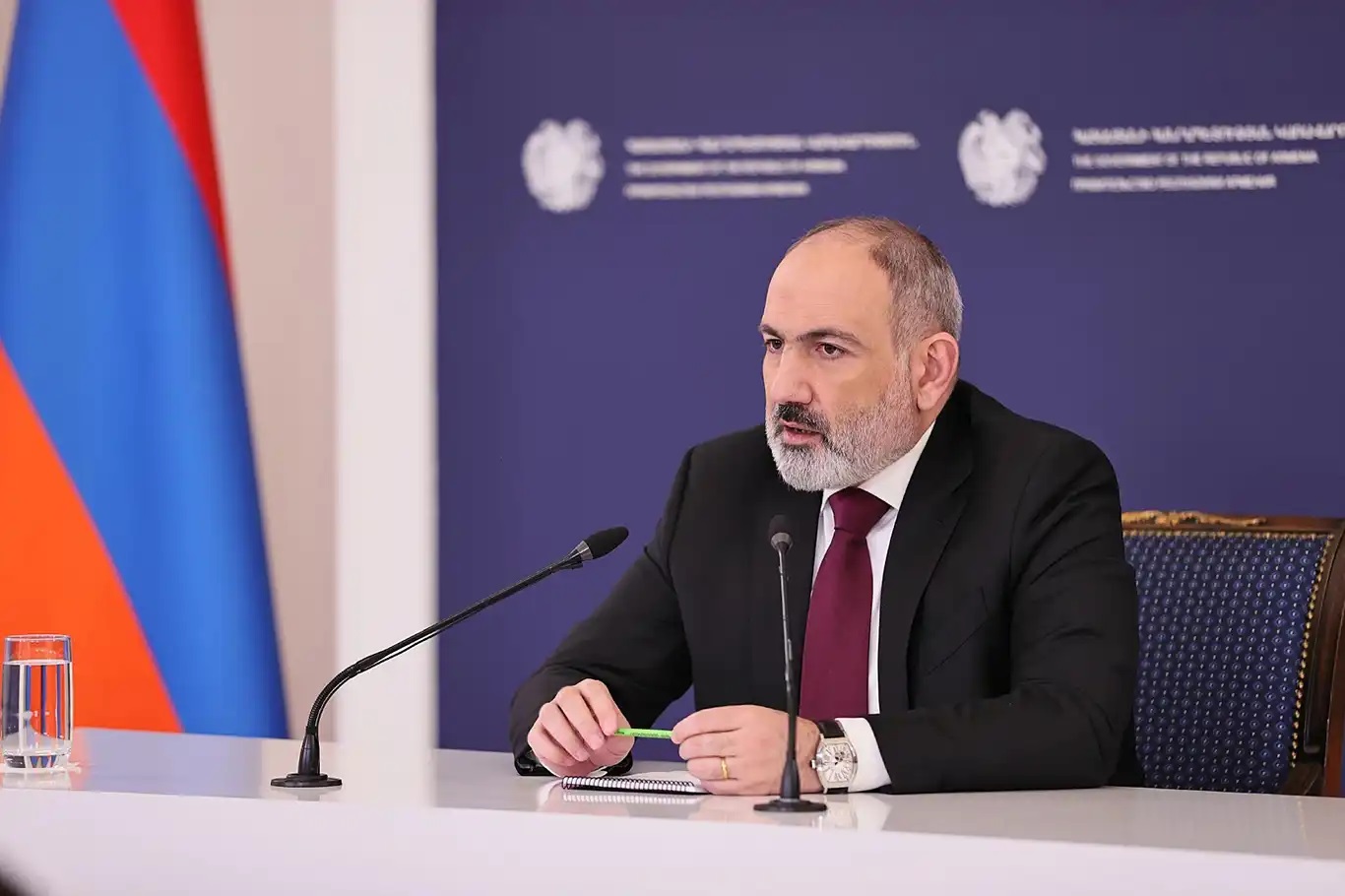
Armenian Prime Minister Nikol Pashinyan announced the resignation of his government on Saturday in line with the country's constitutional requirements, following the inaugural session of the newly elected National Assembly.
The move, mandated under Article 158 of Armenia's Constitution, marks a procedural step in the formation of a new government after parliamentary elections and does not signify a political crisis.
Speaking during a livestream on his Facebook page, Pashinyan confirmed that he had signed the government's letter of resignation addressed to President Vahagn Khachaturyan.
"Dear compatriots, today the first session of the ninth convocation of the National Assembly has begun, and under Article 158 of the Constitution of the Republic of Armenia, the Government submits its resignation to the President of the Republic on the day of the first session of the National Assembly," Pashinyan said.
He then read the resignation letter before signing it, stating: "Your Excellency Mr. President, pursuant to Article 158 of the Constitution, I respectfully request that you accept the resignation of the Government."
Pashinyan said the resignation letter would be formally delivered to the president later on Saturday. Under the Constitution, the president is required to accept the government's resignation, after which the outgoing cabinet will continue serving in a caretaker capacity until a new government is formed.
The prime minister also outlined the constitutional process that will follow.
Referring to Article 149 of the Constitution, Pashinyan explained that the president must immediately appoint as prime minister the candidate nominated by the parliamentary majority once the new National Assembly begins its term.
He added that the parliamentary majority would nominate its candidate for prime minister later on Saturday, after which the president would proceed with the appointment in accordance with Article 148 of the Constitution.
"The parliamentary majority will nominate its candidate for prime minister to the President of the Republic, and the appointment will then take place in accordance with Article 148 of the Constitution," Pashinyan said before concluding his address.
The resignation follows the convening of the ninth convocation of Armenia's National Assembly after the recent parliamentary elections. Under Armenian law, the resignation of the government after a newly elected parliament convenes is a constitutional formality designed to facilitate the appointment of a prime minister and the formation of a new cabinet that reflects the composition of the legislature.
As Pashinyan's political alliance retains the parliamentary majority, he is widely expected to be reappointed as prime minister once the nomination and appointment procedures are completed. The new government will then be tasked with presenting its program to parliament and continuing to address Armenia's domestic priorities and regional challenges. (ILKHA)
LEGAL WARNING: All rights of the published news, photos and videos are reserved by İlke Haber Ajansı Basın Yayın San. Trade A.Ş. Under no circumstances can all or part of the news, photos and videos be used without a written contract or subscription.
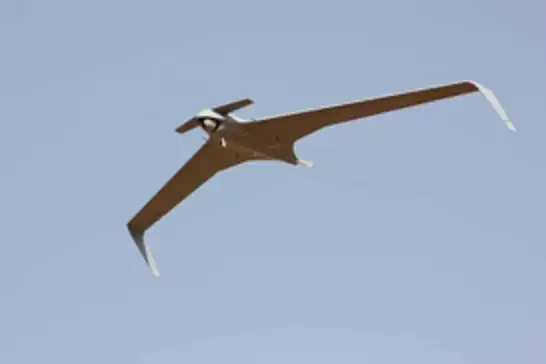
Iran’s air defense forces have intercepted and destroyed an advanced Orbiter reconnaissance drone over the Strait of Hormuz, the Iranian Army said Sunday, in the latest reported confrontation involving an American unmanned aircraft and Iran’s integrated air defense network.

US President Donald Trump has threatened Iran with the possibility of destroying the country, while saying he remains open to meeting Iranian President Masoud Pezeshkian at the United Nations General Assembly in New York.

An Israeli settler was killed and several others were wounded in a shooting near the illegal Halamish settlement, northwest of Ramallah in the occupied West Bank, amid escalating Israeli military raids, settler violence and restrictions on Palestinian movement across the territory.
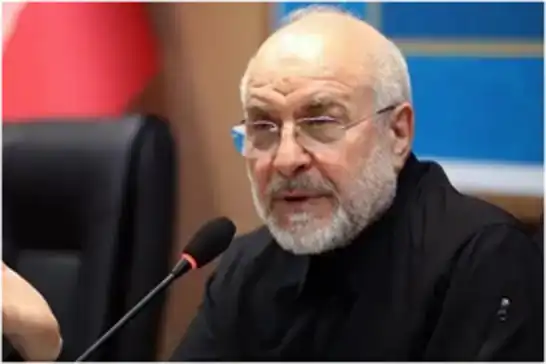
Iran will keep the Strait of Hormuz closed until its conditions are fulfilled and the United States implements its commitments, Iranian Parliament Speaker Mohammad Bagher Ghalibaf said Sunday, reaffirmingn’s dete Tehrarmination to combine military resistance with diplomacy.