Brent crude tops $100 as Strait of Hormuz clashes and Yemen fighting fuel supply fears
 13 oC
13 oC 
Güneşli

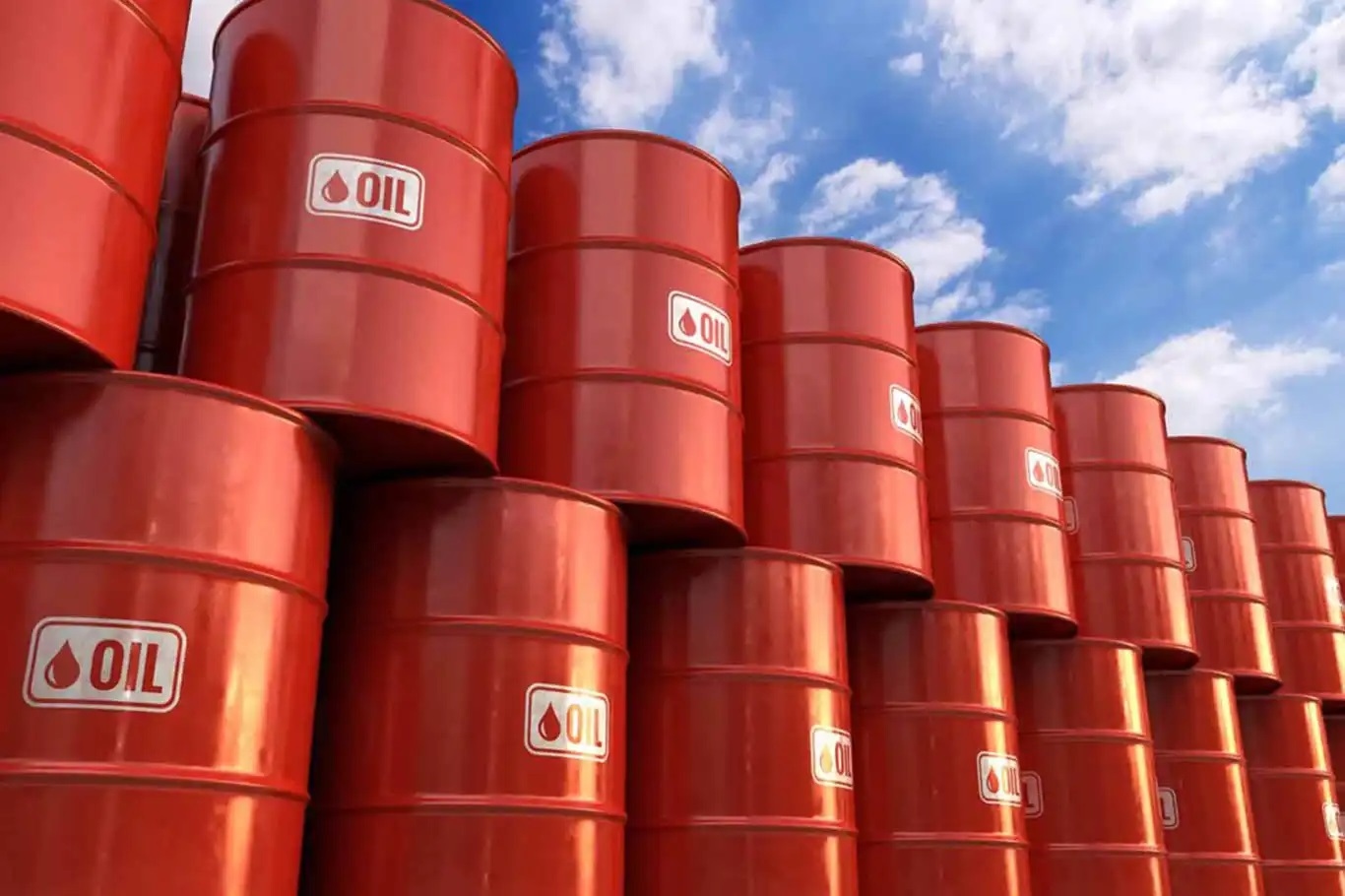
Brent crude oil surged above $100 a barrel for the first time since July, as escalating military confrontations in the Strait of Hormuz and intensified fighting in Yemen heightened concerns over global energy supplies and the security of one of the world's most important oil shipping routes.
Brent crude futures traded above $101 per barrel on September 10, while U.S. West Texas Intermediate (WTI) crude climbed to around $96 per barrel, extending gains as investors reacted to mounting geopolitical risks across the Middle East.
Oil prices accelerated after Iran and the United States accused each other of attacking vessels operating near the Strait of Hormuz, a strategic waterway through which roughly one-fifth of global oil and liquefied natural gas shipments normally pass.
Iran said it had targeted 10 vessels near the strait in retaliation after accusing the United States of sinking five Iranian oil tankers. Washington, meanwhile, said its actions followed Iranian missile attacks targeting U.S. naval forces in the region.
The latest escalation has raised fears that military operations could further disrupt commercial shipping through the strait, increasing pressure on global energy markets.
At the same time, renewed fighting between Ansarallah (the Houthis) and forces backed by the Saudi regime has intensified security concerns around the Red Sea and nearby maritime routes.
The conflict has added another layer of uncertainty to energy markets already unsettled by the confrontation between Iran and the United States, prompting traders to price in a higher geopolitical risk premium.
The U.S. Energy Information Administration (EIA) has also revised its oil price outlook upward, citing declining global inventories and lower production from parts of the Middle East.
Analysts warn that any prolonged disruption to oil exports through the Strait of Hormuz could significantly tighten global supplies, particularly for Asian and European importers that rely heavily on crude shipments from the Gulf.
Higher crude prices are expected to increase fuel costs worldwide while putting additional pressure on transportation, manufacturing, electricity generation and food prices.
Economists say a sustained period of oil prices above $100 per barrel could complicate inflation-fighting efforts by central banks and weigh on global economic growth if supply disruptions continue.
Market participants are closely monitoring developments in the Gulf, with further military escalation likely to keep energy markets volatile in the coming days.(ILKHA)
LEGAL WARNING: All rights of the published news, photos and videos are reserved by İlke Haber Ajansı Basın Yayın San. Trade A.Ş. Under no circumstances can all or part of the news, photos and videos be used without a written contract or subscription.

Four Palestinians from the same family were martyred after an Israeli regime airstrike targeted a residential home in Beit Lahia, northern Gaza, as military operations continued despite the ceasefire agreement, Palestinian officials said.
Several US military aircraft were damaged in Iranian strikes on the Muwaffaq Salti Air Base in Jordan, CBS News reported.

Hamas has rejected Israeli claims that the Palestinian resistance movement is planning to capture Israeli soldiers in the Gaza Strip, describing the allegations as “pure lies and blatant incitement” aimed at paving the way for further Israeli attacks on Palestinians.