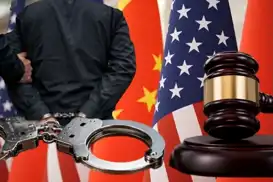
China’s Communist Party demands greater loyalty as Xi tightens internal discipline
 13 oC

Güneşli

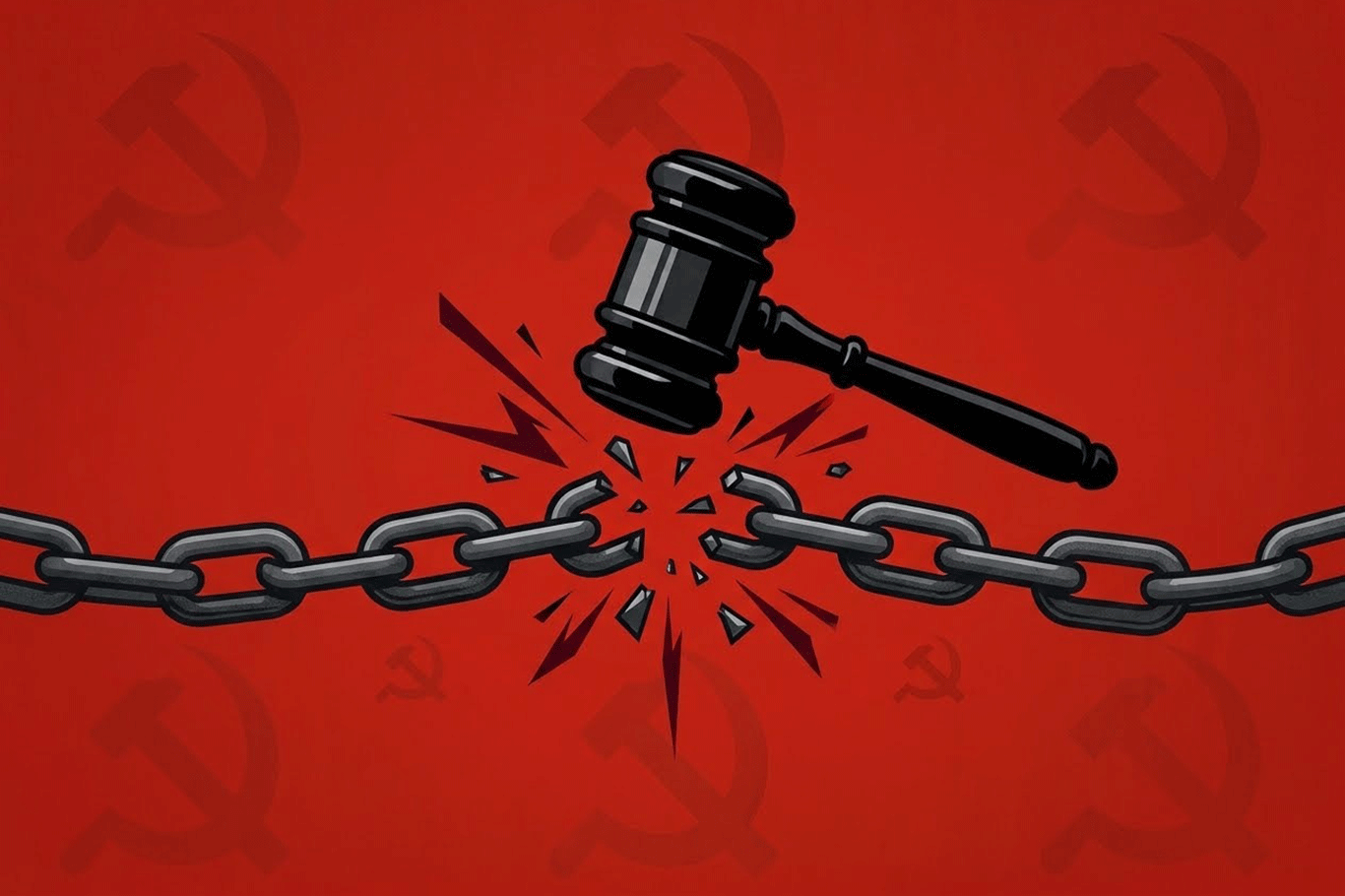
China’s ruling Communist Party has placed political loyalty at the centre of a renewed drive to tighten internal discipline, vowing to maintain its high-pressure anti-corruption campaign and eliminate what it described as “impurities and viruses” within its ranks.
A detailed resolution adopted at the fifth plenary session of the 20th Central Committee on October 29 and released by the state-run Xinhua news agency on November 1 outlined an updated framework for enforcing discipline across the party.
The document calls for stronger efforts to instil loyalty among party members and ensure that officials are assessed not only on their professional performance but also on their political commitment, personal conduct, public remarks, social relationships and family values.
“The party's ranks are sound overall, but problems of ideological impurity, organisational impurity, and impure work style have not yet been fundamentally resolved,” the resolution said.
The measures build on a disciplinary and anti-corruption campaign launched more than a decade ago under President Xi Jinping, which has resulted in investigations and disciplinary action against millions of officials and party members across the country.
Figures presented by party officials following the latest leadership meeting illustrate the scale of the campaign. Disciplinary agencies have opened 8.1 million cases and punished 7.9 million people since Xi took power in 2012, including 963 senior officials, according to figures reported by the Associated Press.
The latest meeting also ratified the expulsions of more than 30 senior officials, including a former senior military general, while promoting the remaining general on the military oversight commission to the Politburo.
The resolution calls for closer, career-long monitoring of officials, tighter scrutiny of their personal financial disclosures and investigations into cases where family assets or spending appear inconsistent with legitimate income.
Authorities are also expected to conduct routine checks on the business activities of officials’ relatives.
The campaign will increasingly target sophisticated forms of corruption, including concealed share ownership through intermediaries and the use of cryptocurrencies, blockchain technology and cross-border financial transfers to conceal illicit funds.
The document also calls for strengthening oversight of the exercise of power and ensuring that officials neither have the opportunity nor the incentive to engage in corruption.
At a press conference following the plenary session, senior party officials described the anti-graft campaign as an ongoing priority, acknowledging that corruption remains a serious and complex challenge.
They also argued that stricter discipline should not prevent officials from taking initiative, but should instead establish clearer rules and promote accountability.
Although the resolution reaffirmed collective leadership and warned against lower-level party organisations demanding personal loyalty to individual officials, it also explicitly reinforced Xi’s position at the top of the party.
Party members were instructed to safeguard his status as the party’s “core” and remain fully aligned with the central leadership in their thinking, political positions and actions.
The distinction between discouraging personalised authority at lower levels and reaffirming Xi’s central position highlights the party’s effort to strengthen discipline throughout its vast organisational structure while maintaining the existing concentration of power at the top.
The latest measures come roughly a year before an expected leadership reshuffle, at which Xi is widely expected to seek another five-year term as party leader, potentially extending his already unprecedented tenure.
However, analysts have cautioned that increasingly strict political and disciplinary controls could discourage initiative among officials, encourage superficial displays of loyalty and undermine merit-based decision-making.
The leadership therefore faces the challenge of eliminating corruption and enforcing political discipline without weakening the ability of officials to govern and respond to the country's economic and administrative challenges. (ILKHA)
LEGAL WARNING: All rights of the published news, photos and videos are reserved by İlke Haber Ajansı Basın Yayın San. Trade A.Ş. Under no circumstances can all or part of the news, photos and videos be used without a written contract or subscription.

A five-month facial recognition technology trial conducted by police in Western Australia scanned the faces of 1,380,882 people, resulting in 122 arrests and nine false matches, while also raising concerns over privacy, mass surveillance and algorithmic bias.

The 109th anniversary of the Balfour Declaration has renewed attention to Britain's colonial role in paving the way for the establishment of Israel and the dispossession of the Palestinian people, marking more than a century of occupation, displacement and resistance.

Indian authorities have begun evacuating thousands of residents from vulnerable coastal areas as Cyclone Murasu approaches the country's eastern shoreline, with around 30,000 people expected to be moved to safer locations before the storm makes landfall.