China's LineShine beats US to become world's fastest supercomputer
 13 oC
13 oC 
Güneşli

The "LineShine" supercomputing system, developed by the National Supercomputing Center in Shenzhen, China, has secured the top position on the global TOP500 list.
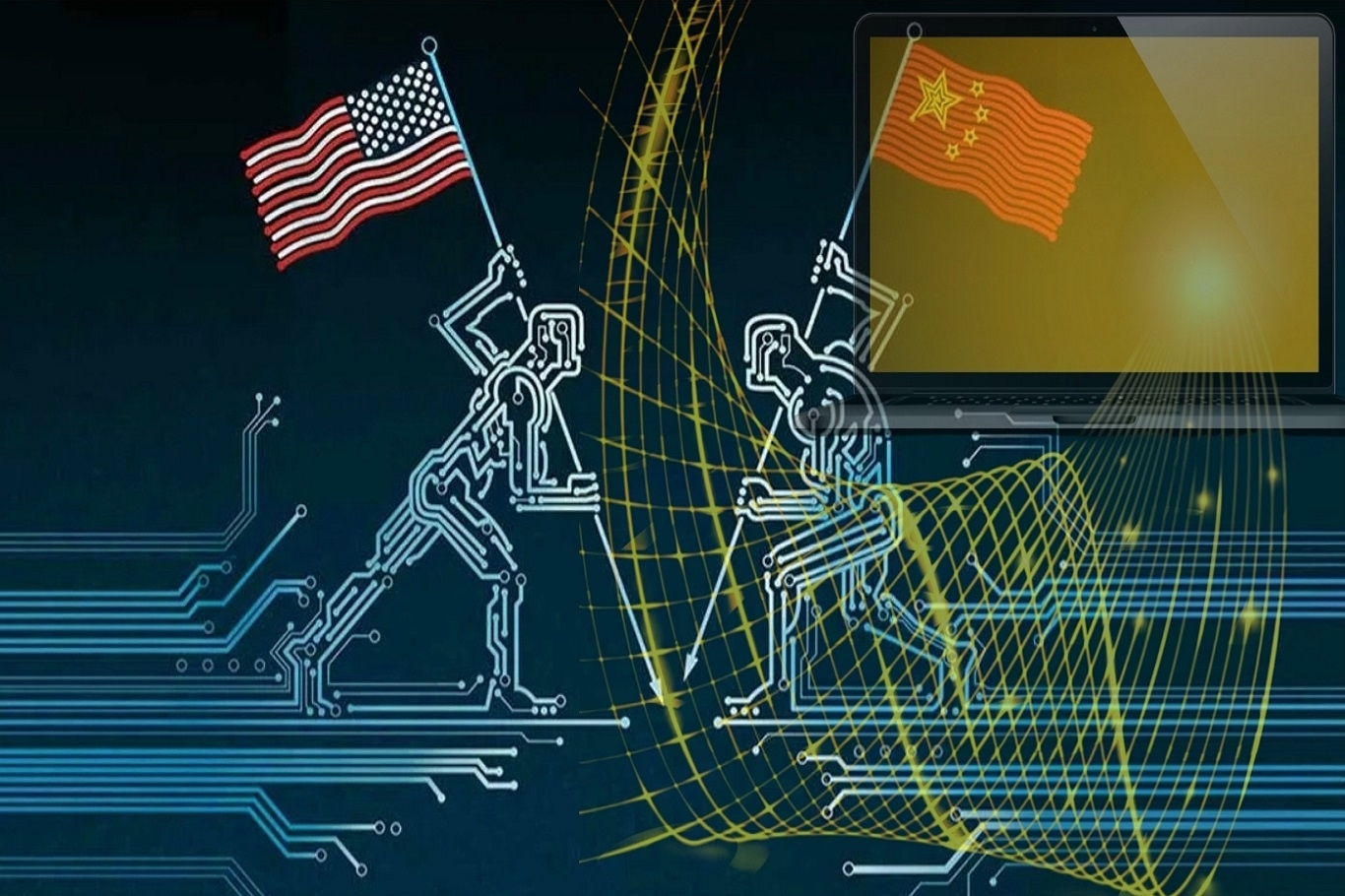
The breakthrough officially pushes China ahead of the United States' long-standing "El Capitan" system. According to latest industry reports, the newly ranked leader relies entirely on China's domestic semiconductor and architectural technologies, marking its return to the top after a three-year hiatus.
Rising geopolitical tech rivalry and infrastructure capabilities
The ascendancy of LineShine coincides with intensifying technological competition between Washington and Beijing. The computational shift follows a recent executive order signed by US President Trump aimed at maintaining American leadership in quantum computing and advanced technology, signaling fluctuating dynamics in the global high-tech race.
Technological experts emphasize that the development is notable not only for raw computational execution but also for domestic engineering capacity.
The LineShine system outpacing El Capitan—a US system utilized for national security modeling and nuclear stockpile stewardship—serves as a critical benchmark for evaluating China's current infrastructural capabilities in high-performance computing.
Impact of export controls and domestic semiconductor strategy
China previously achieved the top position on the TOP500 list in 2010. Industry observers suggest that China's return to the leading position, despite successive rounds of US export controls, trade restrictions, and technological sanctions, indicates that the country's long-term strategy to foster an independent technological ecosystem is yielding tangible operational results.
Supercomputing specialists point out that the implementation of proprietary processor technologies within LineShine reinforces China's technological autonomy.
The achievement aligns with Beijing’s stated broader economic and scientific objectives to transition from a consumer of global technologies into a primary developer and setter of international technological standards.
While the milestone strengthens China's competitive positioning in advanced computing infrastructure, it also prompts renewed assessment within the international scientific community regarding the sustainability of the United States' long-term technological dominance in foundational computing systems. (ILKHA)
LEGAL WARNING: All rights of the published news, photos and videos are reserved by İlke Haber Ajansı Basın Yayın San. Trade A.Ş. Under no circumstances can all or part of the news, photos and videos be used without a written contract or subscription.

HÜDA PAR Deputy Chairman and Gaziantep Member of Parliament Şahzade Demir has expressed concerns over the proposed “Agreement on the Establishment of a UN Women Türkiye Country Office in Ankara,” warning that it could have consequences similar to those attributed by critics to the Istanbul Convention.

Apple and Tesla supplier Tata Electronics has suffered a major cybersecurity breach, with researchers reporting that over 200,000 corporate files have been leaked on the dark web.

A US Coast Guard helicopter crashed during a routine training exercise near the city of Sitka, Alaska, with all four crew members on board surviving the incident.

A severe heatwave escalating across Germany has led to a fatal incident after three individuals drowned while swimming in the Rhine River to cool off.