EU to sanction Israeli settlers over violence against Palestinians
 13 oC
13 oC 
Güneşli

The European Union is preparing to impose new sanctions on extremist Israeli settlers accused of carrying out attacks against Palestinians in the occupied West Bank, marking a rare step by the bloc in response to mounting international outrage over settler violence and illegal settlement expansion.
EU foreign policy chief Kaja Kallas said she expected the bloc’s foreign ministers to reach a “political agreement” on sanctions targeting violent settlers and settler-linked organizations.
“I expect political agreement on the sanctions on violent settlers, hopefully we will get there,” Kallas told reporters ahead of a meeting of EU foreign ministers.
The move comes after months of obstruction by former Hungarian Prime Minister Viktor Orban, whose government had repeatedly blocked collective European measures against Israel-linked actors despite growing reports of attacks on Palestinian communities.
However, Hungary’s new nationalist leader Peter Magyar now appears to have lifted the veto, opening the door for the sanctions package to move forward.
According to EU officials, the measures are expected to blacklist seven Israeli settlers or settler organizations accused of involvement in violence, intimidation, and attacks against Palestinians in the occupied West Bank. The bloc is also reportedly preparing sanctions against representatives connected to Hamas.
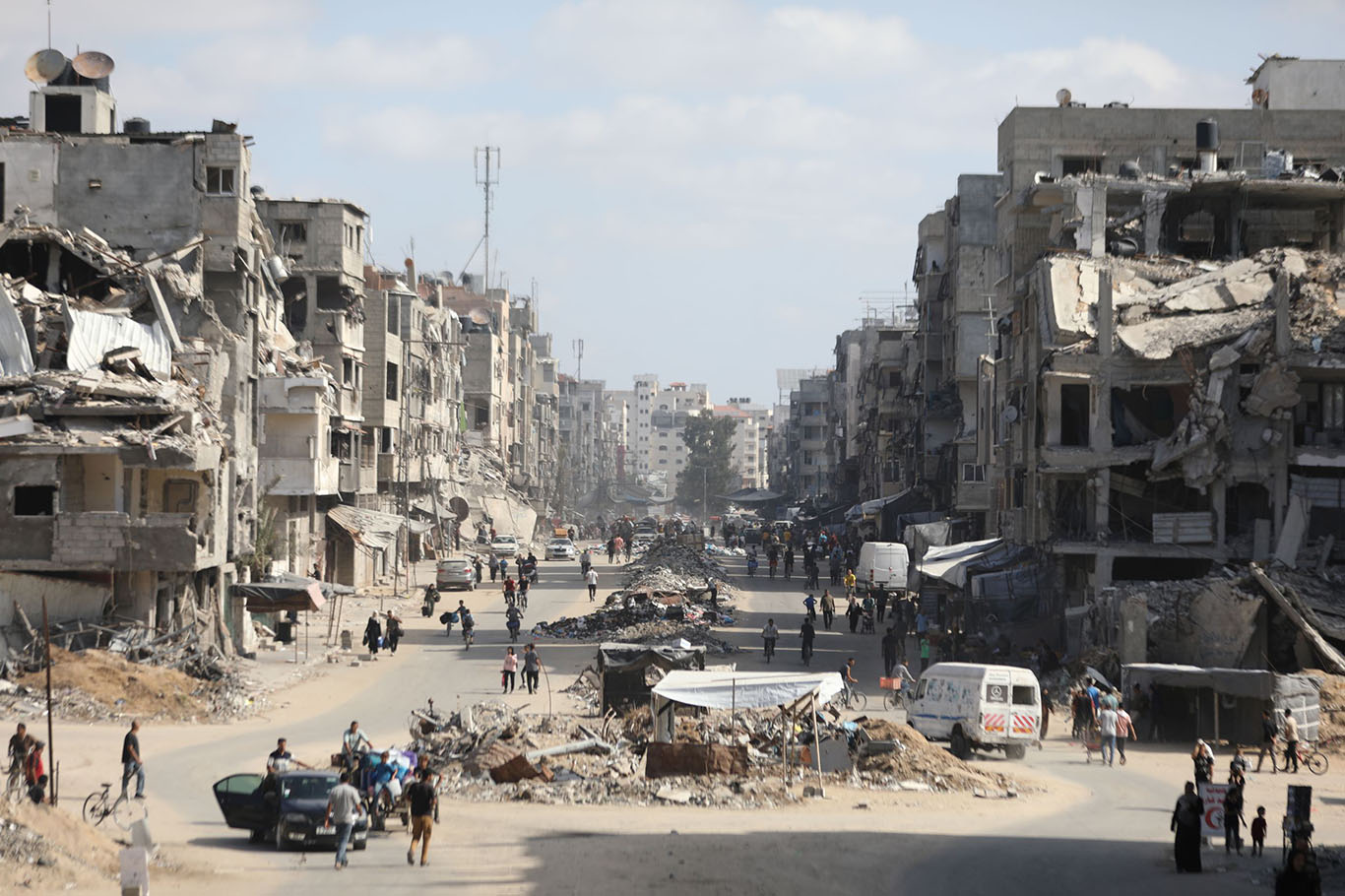
The occupied West Bank has witnessed a dramatic escalation in violence since the start of Israel’s war on Gaza in October 2023, with Palestinian towns and villages facing near-daily raids, shootings, arson attacks, and land seizures by Israeli settlers operating under military protection.
Palestinian officials and United Nations agencies have reported a sharp increase in deadly settler attacks since the outbreak of the Iran war on February 28, warning that entire Palestinian communities have been subjected to forced displacement campaigns and systematic intimidation.
Human rights groups say Israeli settlers, emboldened by the political climate in Israel and backed by extremist ministers in the Israeli government, have intensified efforts to expand illegal settlements across occupied Palestinian territory in violation of international law.
Despite the EU’s move toward sanctions, critics say European governments continue to avoid meaningful pressure on Israel itself. The bloc remains divided over broader measures such as suspending trade privileges, halting arms cooperation, or restricting economic ties with Israel.
Palestinian advocates argue that targeting a handful of settlers falls far short of addressing the wider system of occupation, settlement expansion, and military violence imposed on Palestinians across the occupied territories.
International legal experts and rights organizations have repeatedly stated that Israeli settlements in the occupied West Bank are illegal under international law, yet settlement construction has continued to expand rapidly while Palestinian communities face demolitions, land confiscations, and increasing military restrictions.
The latest EU discussions come amid intensifying global scrutiny of Israel’s policies toward Palestinians and growing calls for accountability over violence committed by settlers and Israeli forces in the occupied West Bank and Gaza Strip. (ILKHA)
LEGAL WARNING: All rights of the published news, photos and videos are reserved by İlke Haber Ajansı Basın Yayın San. Trade A.Ş. Under no circumstances can all or part of the news, photos and videos be used without a written contract or subscription.
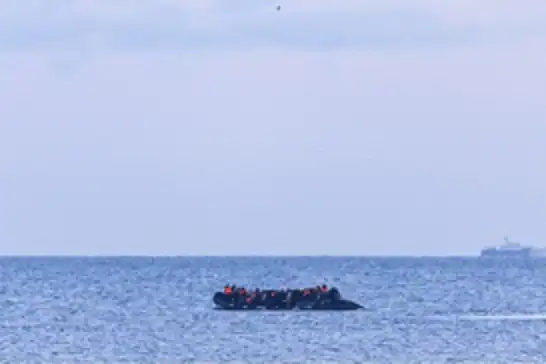
Three migrants, including a 10-year-old child, died Monday after a small boat carrying more than 100 people encountered difficulties while attempting to cross the English Channel from northern France to the United Kingdom, French authorities said.

The death toll from severe flooding triggered by heavy monsoon rains in India's northern Uttar Pradesh state has risen to 81, while 62 others have been injured.
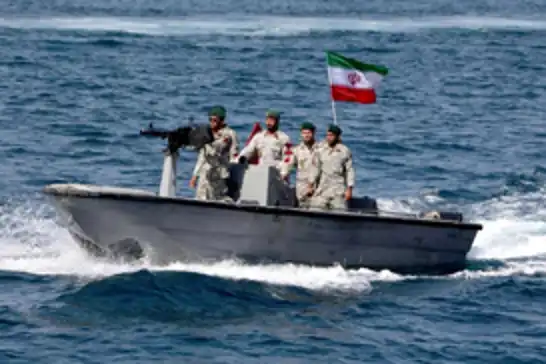
Eight US Marines were injured during an operation carried out by the Islamic Republic of Iran against a vessel in the Strait of Hormuz on September 14, according to reports.
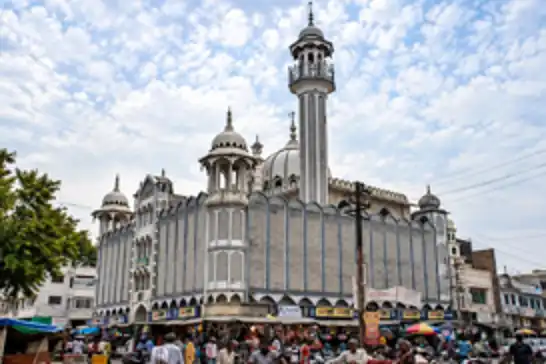
Hundreds of Muslims gathered inside the historic Shahi Masjid in Ujjain, Madhya Pradesh, to oppose plans to remove part of the mosque as part of a road-widening project being carried out ahead of the 2028 Simhastha Kumbh pilgrimage.