Europe weighs NATO deployment to Greenland amid fears of Trump annexation plans
 13 oC
13 oC 
Güneşli

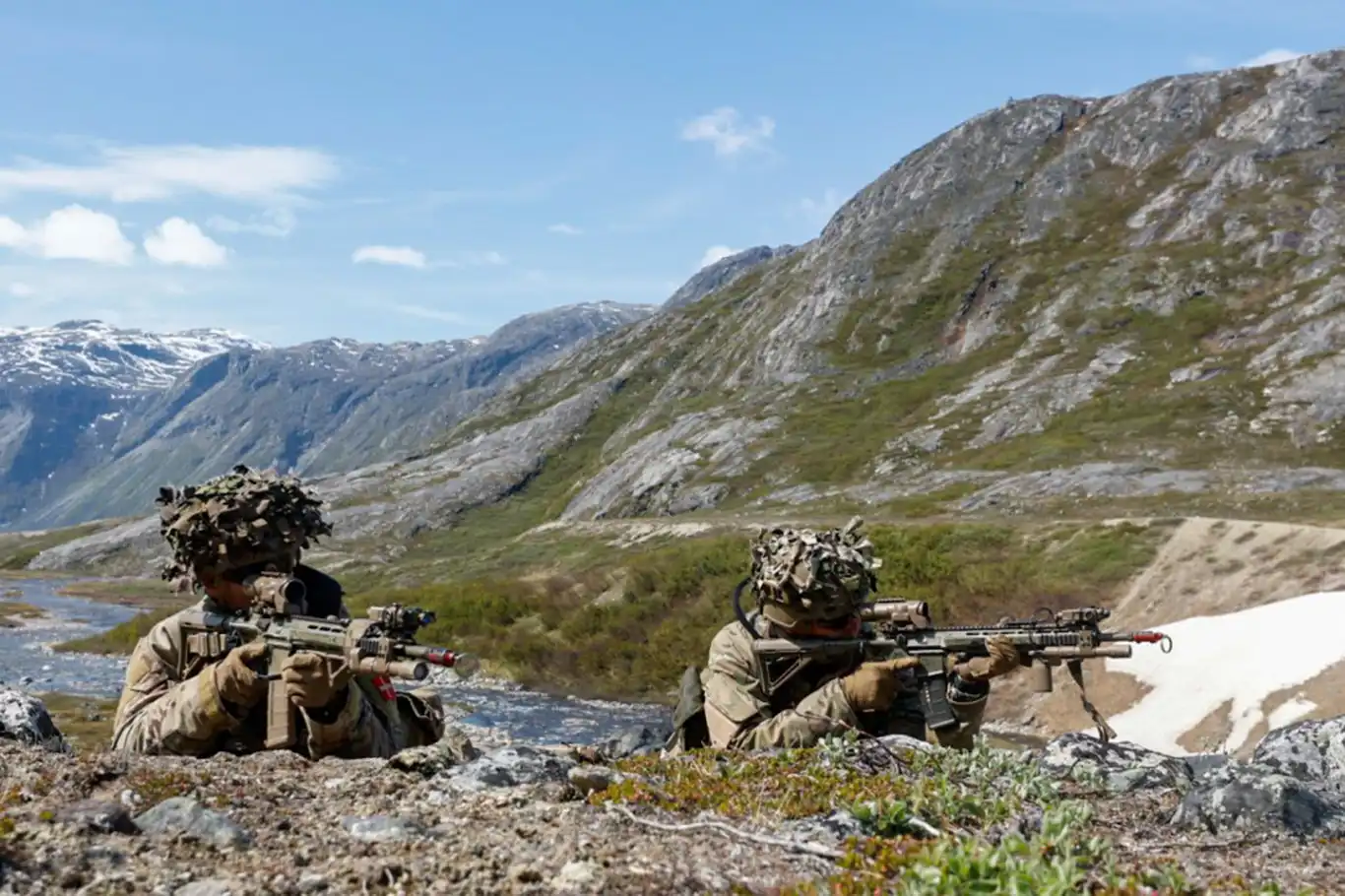
European NATO members, led by the United Kingdom, Germany, and France, are actively discussing the possibility of deploying a multinational military force to Greenland.
The move aims to bolster Arctic security against growing Russian and Chinese activities while addressing fears that U.S. President Donald Trump could pursue annexation of the strategically vital, mineral-rich island.
According to reports from The Telegraph and other sources, preliminary planning for a potential NATO mission is underway. This could involve British troops, naval vessels, and aircraft, potentially alongside contributions from other European allies. The discussions intensified following recent meetings among British, German, and French officials, as well as a NATO gathering in Brussels where the Supreme Allied Commander Europe was tasked with evaluating enhanced security options for the High North.
The proposed deployment would operate under NATO command and focus on deterrence in the Arctic region. It remains separate from ongoing operations in Eastern Europe. European leaders hope that a stronger allied presence would allow President Trump to claim that NATO partners are shouldering more responsibility for regional security—potentially dissuading unilateral U.S. action.
Greenland, a self-governing territory of NATO member Denmark with a population of around 57,000, holds immense geopolitical value. It is rich in rare earth minerals critical for modern technology, and its location offers key advantages for monitoring Arctic developments. The United States already maintains the Pituffik Space Base there under existing agreements.
President Trump has repeatedly emphasized the need for U.S. control over Greenland, citing national security concerns about potential Russian or Chinese footholds. He has not ruled out forceful measures, stating in recent comments that the U.S. would act "whether they like it or not," preferring an "easy way" (such as a deal or incentives) but prepared for the "hard way" if necessary. Reports suggest ideas including financial offers of up to $100,000 per resident to encourage alignment with the U.S.
These statements have sparked alarm across the alliance, raising unprecedented questions about NATO unity—given that both the U.S. and Denmark are founding members—and the applicability of Article 5 in intra-alliance disputes.
British Prime Minister Keir Starmer has described the geopolitical risks in the Arctic as "extremely serious," aligning with shared concerns about Russian aggression and Chinese ambitions. Government sources stressed that the UK shares President Trump's view on deterring threats in the High North and strengthening Euro-Atlantic security, but any measures must be coordinated through NATO.
The UK has already ramped up Arctic readiness, including participation in large-scale NATO winter exercises in Norway and plans to deploy 1,500 Royal Marines to Norway, Finland, and Sweden for Cold Response drills this year. British special forces and Royal Navy assets are also being positioned for expanded roles in the region.
Denmark and other European leaders have firmly maintained that Greenland's future is for its people and Denmark alone to decide. A joint statement from several allies, including the UK, France, Germany, and others, reiterated support for collective NATO efforts rather than unilateral moves.
As a potential backstop, the European Union is reportedly preparing contingency sanctions against major U.S. companies—including tech giants like Meta, Google, Microsoft, and X, as well as financial institutions—should Trump reject the NATO deployment proposal and press forward with annexation. More extreme options, such as expelling American troops from European bases, have also been discussed, though these remain highly escalatory.
Diplomatic channels remain active. U.S. Secretary of State Marco Rubio is scheduled to meet Denmark's foreign minister soon, with European officials hoping to de-escalate tensions and encourage multilateral solutions.
The situation continues to evolve rapidly, with NATO evaluating further Arctic defense planning. While the alliance has weathered internal disagreements before, the current tensions over Greenland represent one of the most serious challenges to transatlantic unity in decades. Analysts warn that any unilateral U.S. action could fundamentally undermine the 75-year-old alliance. European governments are balancing deterrence against external threats with the urgent need to preserve alliance cohesion in the strategically contested High North. (ILKHA)
LEGAL WARNING: All rights of the published news, photos and videos are reserved by İlke Haber Ajansı Basın Yayın San. Trade A.Ş. Under no circumstances can all or part of the news, photos and videos be used without a written contract or subscription.
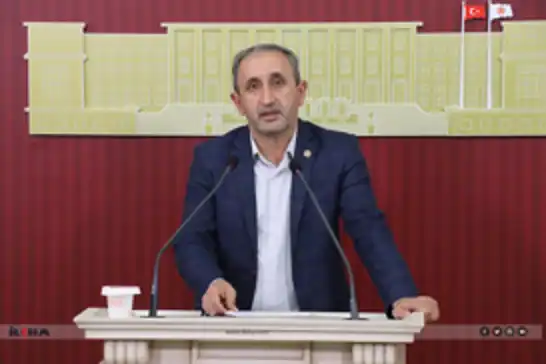
HÜDA PAR Deputy Chairman and Gaziantep Member of Parliament Şahzade Demir has expressed concerns over the proposed “Agreement on the Establishment of a UN Women Türkiye Country Office in Ankara,” warning that it could have consequences similar to those attributed by critics to the Istanbul Convention.

Apple and Tesla supplier Tata Electronics has suffered a major cybersecurity breach, with researchers reporting that over 200,000 corporate files have been leaked on the dark web.

A US Coast Guard helicopter crashed during a routine training exercise near the city of Sitka, Alaska, with all four crew members on board surviving the incident.
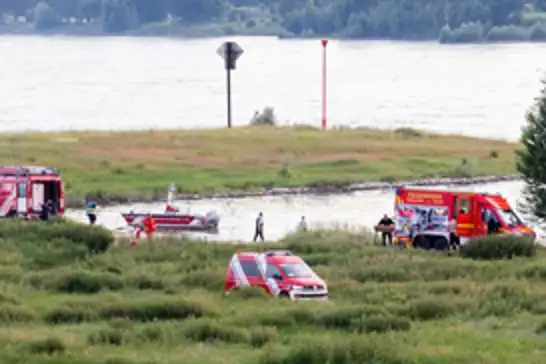
A severe heatwave escalating across Germany has led to a fatal incident after three individuals drowned while swimming in the Rhine River to cool off.