Gaza fuel shortage threatens lifesaving services as winter rains approach
 13 oC
13 oC 
Güneşli

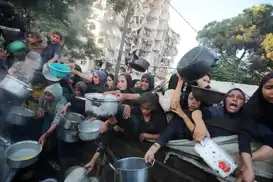
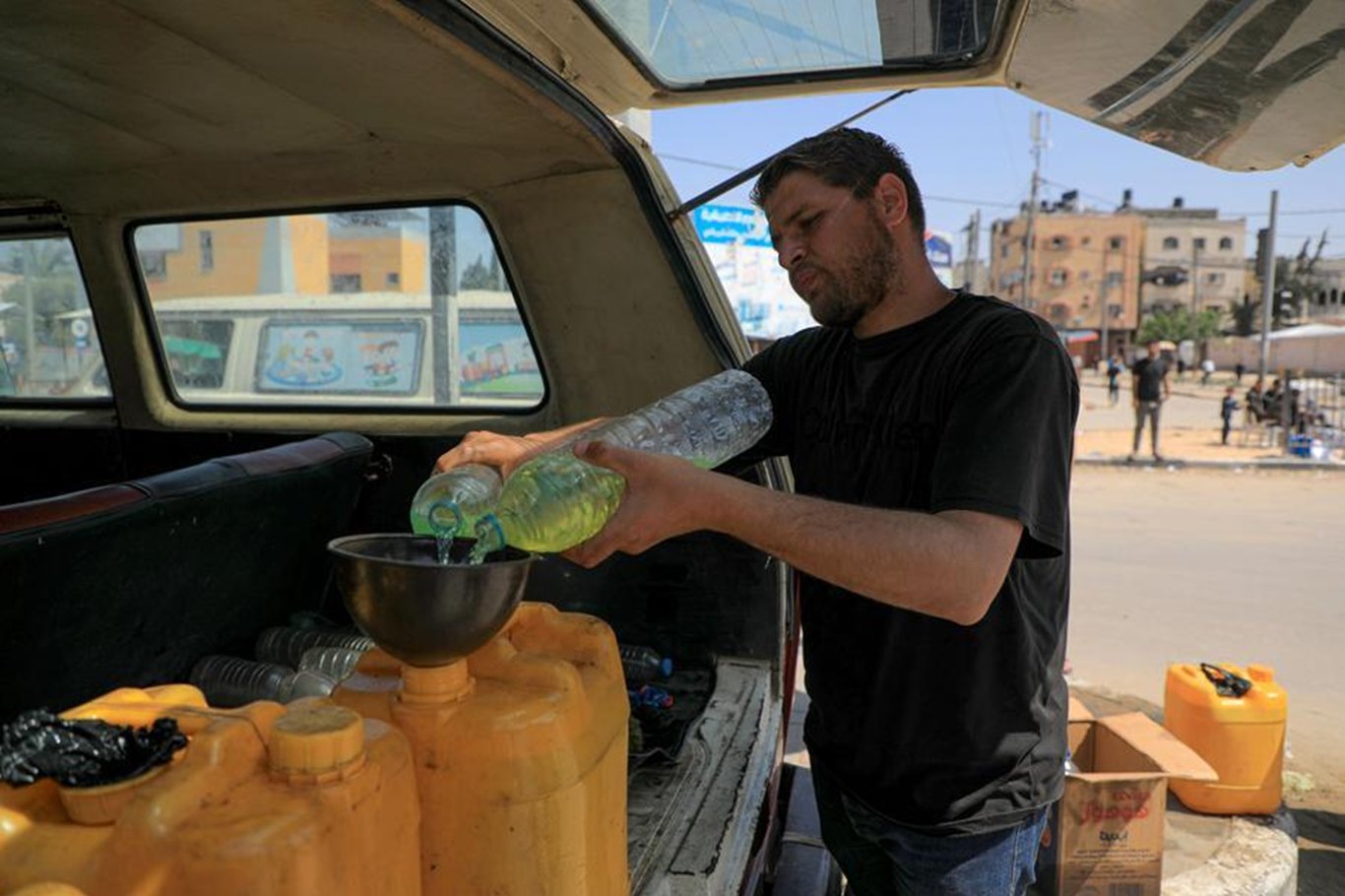
The humanitarian crisis in the Gaza Strip is deepening as severely limited fuel supplies threaten essential medical, water, rescue and sanitation services, while hundreds of thousands of displaced Palestinians face the prospect of flooding as the rainy season approaches.
The United Nations said Wednesday that 550,000 liters of fuel recently allowed into Gaza will provide temporary relief but remain far below the minimum needed to sustain basic services across the besieged enclave.
The UN Office for the Coordination of Humanitarian Affairs (OCHA) said the fuel, which entered on Tuesday, would help keep critical services operating, but warned that the current supply was insufficient to prevent further deterioration.
OCHA said a $2 million allocation from its humanitarian fund for the occupied Palestinian territory, together with a recent fuel donation from Qatar, represented emergency stop-gap measures intended primarily to keep Gaza's health facilities functioning.
“Additional funding is urgently needed,” OCHA warned, saying shortages could force a dangerous slowdown in health care, water services, rescue operations, debris removal and other essential activities.
With Gaza's electricity infrastructure severely damaged and reliable power largely unavailable, humanitarian organizations have increasingly depended on backup generators to operate hospitals, water wells, desalination plants, sewage systems, ambulances and other critical infrastructure.
OCHA warned that this dependence is not sustainable, particularly because generators require a continuous supply of fuel, engine oil and spare parts. UN humanitarian reports have also highlighted delays in approvals for engine oil and other equipment needed to keep generator-dependent services running.
The UN said approvals for engine oil, spare parts and solar panels, as well as the entry of commercial fuel and the resumption of operations at Gaza's power plant, are urgently needed to provide a more sustainable energy supply.
The fuel crisis is therefore not simply an energy problem. Any prolonged interruption could affect hospitals and clinics, drinking-water production, sewage systems, waste collection, emergency vehicles and humanitarian operations serving Gaza's civilian population.
The worsening fuel shortage comes as humanitarian agencies prepare for the rainy season, which threatens to compound the suffering of Palestinians already living in damaged buildings, tents and makeshift shelters.
According to OCHA, humanitarian partners assessed 1,764 displacement sites across Gaza and found that 989 — more than half — are located in areas facing medium to high flooding risks. The sites are sheltering around 1 million people.
Many displaced families have remained in increasingly deteriorating shelters since last winter, with inadequate drainage and limited protection from the elements. Shortages of mattresses, blankets and other basic household supplies are further worsening living conditions.
Humanitarian partners estimate that around 400,000 Palestinians could be forced to relocate once heavy rains begin.
OCHA said agencies are working to improve drainage, reinforce shelters, distribute essential materials and equipment, and assist people who have already begun moving away from areas vulnerable to flooding. However, humanitarian operations remain severely constrained by limited resources and the lack of available land.
The approaching winter is raising particular concern because Gaza's civilian population has already endured prolonged displacement, widespread destruction and severe shortages of basic necessities.
The UN has previously warned that overcrowding, inadequate shelter, damaged water and sanitation infrastructure and limited access to essential materials are increasing the risks of disease and other health emergencies.
Humanitarian organizations are therefore calling for sustained access to fuel, shelter materials, medical supplies, machinery and other essential goods, stressing that emergency deliveries alone cannot address Gaza's mounting needs.
The UN has also repeatedly called for humanitarian operations to be allowed to proceed without obstruction and for essential supplies and equipment to enter Gaza at the scale required to protect civilians.
With winter approaching, humanitarian agencies warn that without substantially greater supplies, funding and access, Gaza's displaced Palestinians could face another season of flooding, deteriorating shelters, disease and collapsing basic services. (ILKHA)
LEGAL WARNING: All rights of the published news, photos and videos are reserved by İlke Haber Ajansı Basın Yayın San. Trade A.Ş. Under no circumstances can all or part of the news, photos and videos be used without a written contract or subscription.
Pakistan carried out fresh airstrikes on several areas of Afghanistan early Thursday, further escalating tensions between the two neighboring countries and prompting renewed condemnation from the Islamic Emirate over violations of Afghanistan's sovereignty and territorial integrity.

Turkish President Recep Tayyip Erdoğan met with representatives of U.S.-based think tanks at the Turkish House (Türkevi) in New York as part of his diplomatic engagements on the sidelines of the 81st session of the United Nations General Assembly.
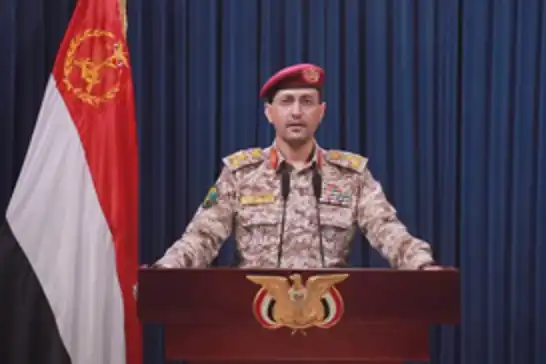
Ansarallah military spokesperson Brig. Gen. Yahya Saree said Saudi warplanes carried out 52 airstrikes across five Yemeni governorates over the past 24 hours, accusing Riyadh of escalating its military campaign against the country.