Heatwave claims at least 16 lives in southern India as temperatures soar above 45°C
 13 oC
13 oC 
Güneşli

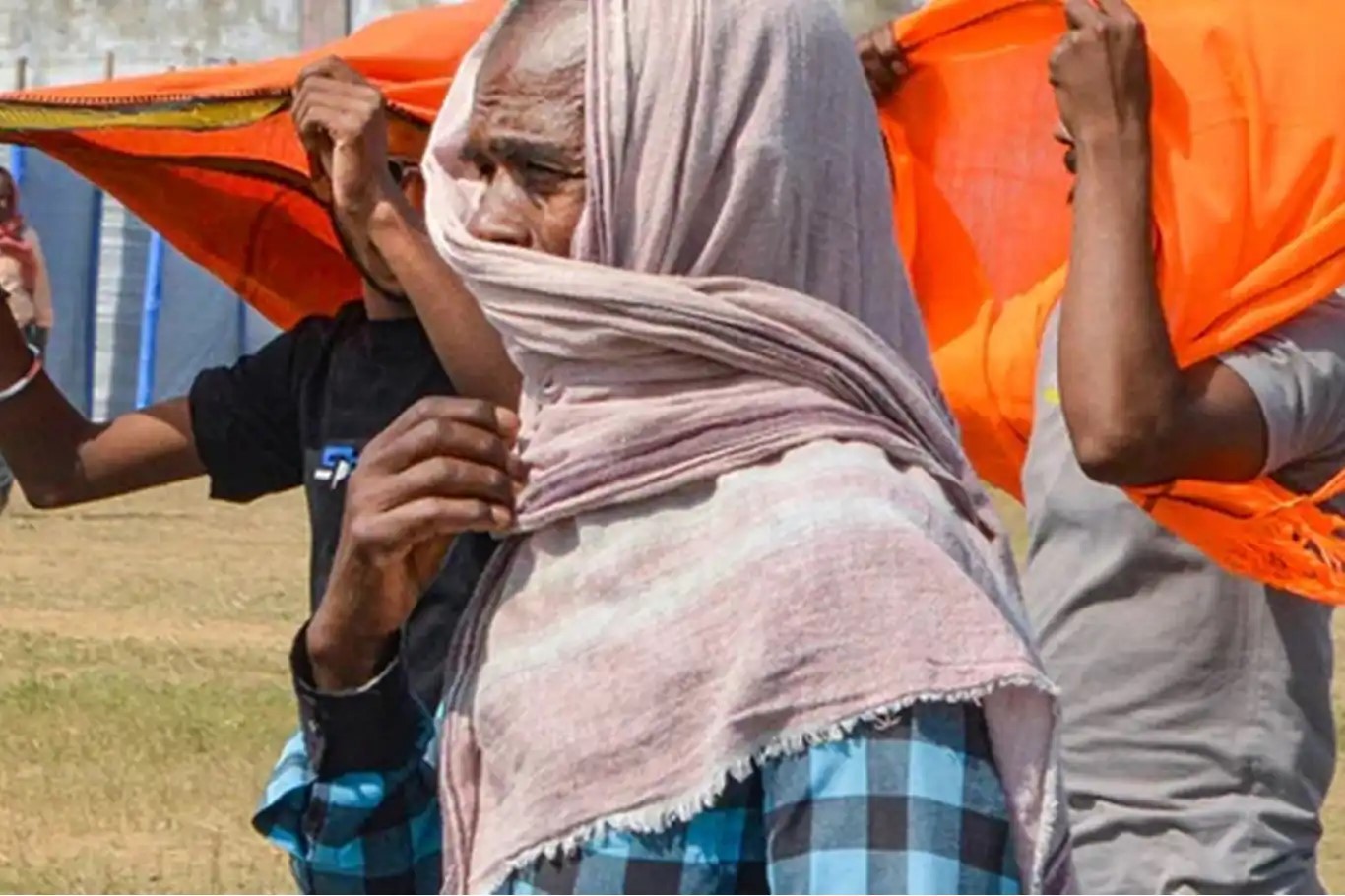
At least 16 people have died from heatstroke in the southern Indian state of Telangana so far this summer, officials confirmed on Sunday, as a severe heatwave continues to grip large parts of the country.
Temperatures in several regions have hovered well above 45°C (113°F) in recent days, with little relief even at night as minimum temperatures remain unusually high. Revenue Minister Ponguleti Srinivasa Reddy urged “statewide vigilance” to protect public health and called on local officials to issue timely warnings about heatwave precautions.
“The intensity of the heat has reached unprecedented levels,” Reddy’s office said in a statement, stressing the need for advance alerts and greater public awareness.
Health authorities in Telangana have advised the elderly, children, pregnant women, and those with pre-existing conditions to avoid going outdoors during daytime hours unless absolutely necessary. Experts warn that extreme heat can cause severe dehydration, thickening of the blood, and in serious cases, multiple organ failure.
India, home to 1.4 billion people, is no stranger to extreme summer heat, but scientists say climate change is making heatwaves longer, more frequent, and more intense. The India Meteorological Department (IMD) had forecast above-normal temperatures and intense heatwave conditions across several parts of the country this week.
In the national capital New Delhi and surrounding areas, temperatures have stayed above 40°C throughout the week, pushing power demand to record highs as residents and businesses ramp up air conditioning usage.
While the highest number of heat-related deaths has been reported in Telangana, officials are monitoring other states across central and northern India where similar conditions prevail. Hospitals have reported a sharp rise in cases of heat exhaustion and dehydration.
India, home to over 1.4 billion people, is highly exposed to heat-related risks due to dense urban populations, limited cooling infrastructure in many regions, and widespread outdoor labor. The country also remains heavily dependent on coal for electricity generation, though it has committed to reaching net-zero emissions by 2070.
The highest officially recorded temperature in India remains 51°C, measured in Phalodi, Rajasthan, in 2016, underscoring the extreme conditions that parts of the country can experience during peak summer months.
Authorities say emergency preparedness efforts are being expanded, including heat action plans in several states, public awareness campaigns, and increased monitoring of vulnerable communities as the current heatwave is expected to persist. (ILKHA)
LEGAL WARNING: All rights of the published news, photos and videos are reserved by İlke Haber Ajansı Basın Yayın San. Trade A.Ş. Under no circumstances can all or part of the news, photos and videos be used without a written contract or subscription.

Three migrants, including a 10-year-old child, died Monday after a small boat carrying more than 100 people encountered difficulties while attempting to cross the English Channel from northern France to the United Kingdom, French authorities said.

The death toll from severe flooding triggered by heavy monsoon rains in India's northern Uttar Pradesh state has risen to 81, while 62 others have been injured.

Eight US Marines were injured during an operation carried out by the Islamic Republic of Iran against a vessel in the Strait of Hormuz on September 14, according to reports.
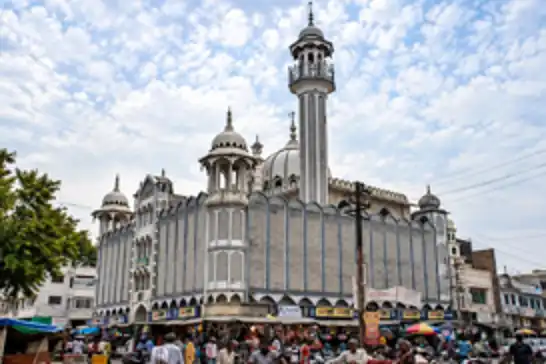
Hundreds of Muslims gathered inside the historic Shahi Masjid in Ujjain, Madhya Pradesh, to oppose plans to remove part of the mosque as part of a road-widening project being carried out ahead of the 2028 Simhastha Kumbh pilgrimage.