Indian police attack Muslims protesting demolition of historic Shahi Mosque in Ujjain
 13 oC
13 oC 
Güneşli

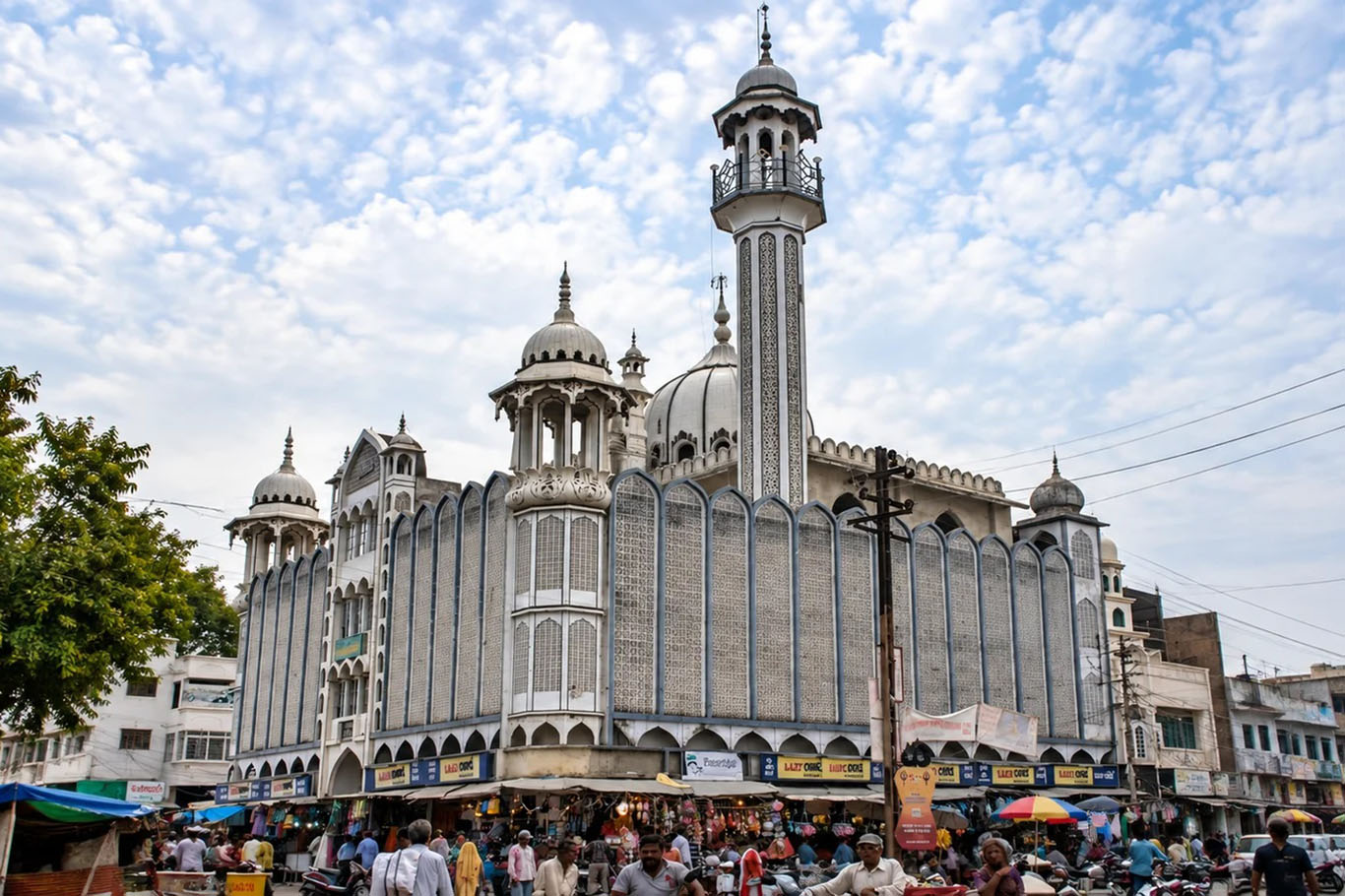
Indian police used tear gas and baton charges to disperse Muslim protesters in Ujjain, Madhya Pradesh, after tensions erupted over the partial demolition of the historic Shahi Masjid, a mosque believed to date back more than six centuries.
Large numbers of Muslims had gathered near the mosque to oppose the removal of part of the religious site, which authorities say is required for a road-widening project ahead of the 2028 Simhastha religious festival.
The confrontation on Monday came after protesters and police clashed near the mosque. Police said stones were thrown at security personnel, while authorities responded with tear gas and what officials described as "mild force." Several police personnel were reportedly injured, and at least 15 people were arrested, according to local authorities.
The incident has intensified concerns among members of the Muslim community over the treatment of protesters and the removal of a centuries-old place of worship.
The Shahi Masjid, which Muslim representatives say was built in 1390, is a Waqf property. The section targeted for removal includes part of the prayer hall, a 120-foot minaret and the Mazhar Chowk area, according to court documents and local reports.
The Ujjain Municipal Corporation says the removal is part of a broader project to widen a road between Kanthal Chauraha and Gopal Mandir to 15 meters. Authorities have linked the infrastructure work to preparations for Simhastha 2028, a major Hindu religious gathering expected to draw millions of pilgrims to the city.
Muslim residents and mosque representatives have questioned why the road cannot instead be widened on the opposite side, allowing the historic mosque to remain intact.
"We want to save the mosque," community representative Mohammad Zakir told The Indian Express, saying residents had remained at the mosque overnight in an effort to prevent its removal.
Imam Mohammad Ibrahim also argued that religious sites should be protected during the development project and said the community had already surrendered surrounding shops and other property for previous road-widening work.
The dispute has already been taken to court. On Sept. 9, the Madhya Pradesh High Court's Indore bench rejected petitions challenging the proposed removal of the portion of the mosque.
The court said the municipal authorities had followed the required legal procedures and rejected arguments that the mosque was being singled out because it was a Muslim religious site. The judgment noted that portions of 10 temples and another mosque had also been removed as part of the road-widening programme.
The mosque committee has nevertheless continued its legal challenge before a larger bench.
The latest confrontation occurred as the administration moved ahead with the removal process. Authorities said the mosque committee had initially agreed to remove the affected portion itself following overnight discussions with officials and community representatives. The situation later deteriorated when a crowd gathered at the site and clashes broke out.
Videos and images from the confrontation showed security forces using tear gas as protesters attempted to resist the demolition operation. Police subsequently established a security perimeter around the mosque and restricted access to the area.
Authorities said they would use CCTV and drone footage to identify people involved in the clashes and register cases against them.
For Muslims protesting at the site, however, the central issue remains the preservation of a historic place of worship and their demand that authorities consider alternatives to demolition.
The use of force against protesters has added to tensions surrounding the project, particularly because the mosque is both a functioning religious site and a structure with centuries of historical significance.
Congress leader and Rajya Sabha MP Imran Pratapgarhi criticized the demolition, describing the removal of a more than 600-year-old heritage site for road widening as unacceptable and calling on the authorities to consider acquiring land on the opposite side of the road instead. His comments represent a political position rather than an independent finding about the legality of the project.
The Ujjain dispute comes amid broader tensions in India over the treatment and protection of Muslim religious properties.
The road-widening project has affected multiple structures, and authorities argue that the same rules are being applied to religious buildings regardless of faith. The High Court also cited the removal of portions of temples and another mosque in reaching its decision.
Muslim representatives, meanwhile, maintain that the historic and religious importance of the Shahi Masjid warrants greater protection and that alternative engineering solutions should be explored before irreversible action is taken.
The confrontation has also drawn attention to the political context surrounding Ujjain, which is governed by the BJP in Madhya Pradesh. The road project is being implemented ahead of the 2028 Simhastha gathering, one of India's largest Hindu religious events.
As authorities continue the infrastructure work, the mosque committee's legal challenge and the aftermath of the police-protester clashes are likely to remain closely watched by both Muslim organizations and civil rights groups.
For now, police remain deployed around the site, while authorities investigate the clashes and the Muslim community continues to press its objections to the removal of part of the historic mosque. (ILKHA)
LEGAL WARNING: All rights of the published news, photos and videos are reserved by İlke Haber Ajansı Basın Yayın San. Trade A.Ş. Under no circumstances can all or part of the news, photos and videos be used without a written contract or subscription.

The United States has issued security alerts for its citizens in 12 Middle Eastern countries, warning of potential attacks on American interests and possible travel disruptions amid fears of a wider regional escalation.

Turkish Foreign Minister Hakan Fidan met with Belgian Deputy Prime Minister and Foreign Minister Maxime Prévot in Brussels on Monday as part of his official visit to Belgium for high-level talks between the two countries.

France has introduced partial curfews in several northern cities, including Lille, following violent incidents and looting that erupted after nationwide protests over the weekend.

Indonesia has intensified efforts to contain widespread forest and land fires, particularly in the Kalimantan region, as authorities work to prevent the blazes from spreading further.