Iran and Oman discuss temporary maritime corridor in Strait of Hormuz
 13 oC
13 oC 
Güneşli

Tehran and Muscat explore joint framework to restore safe navigation and advance demining efforts in the strategic waterway
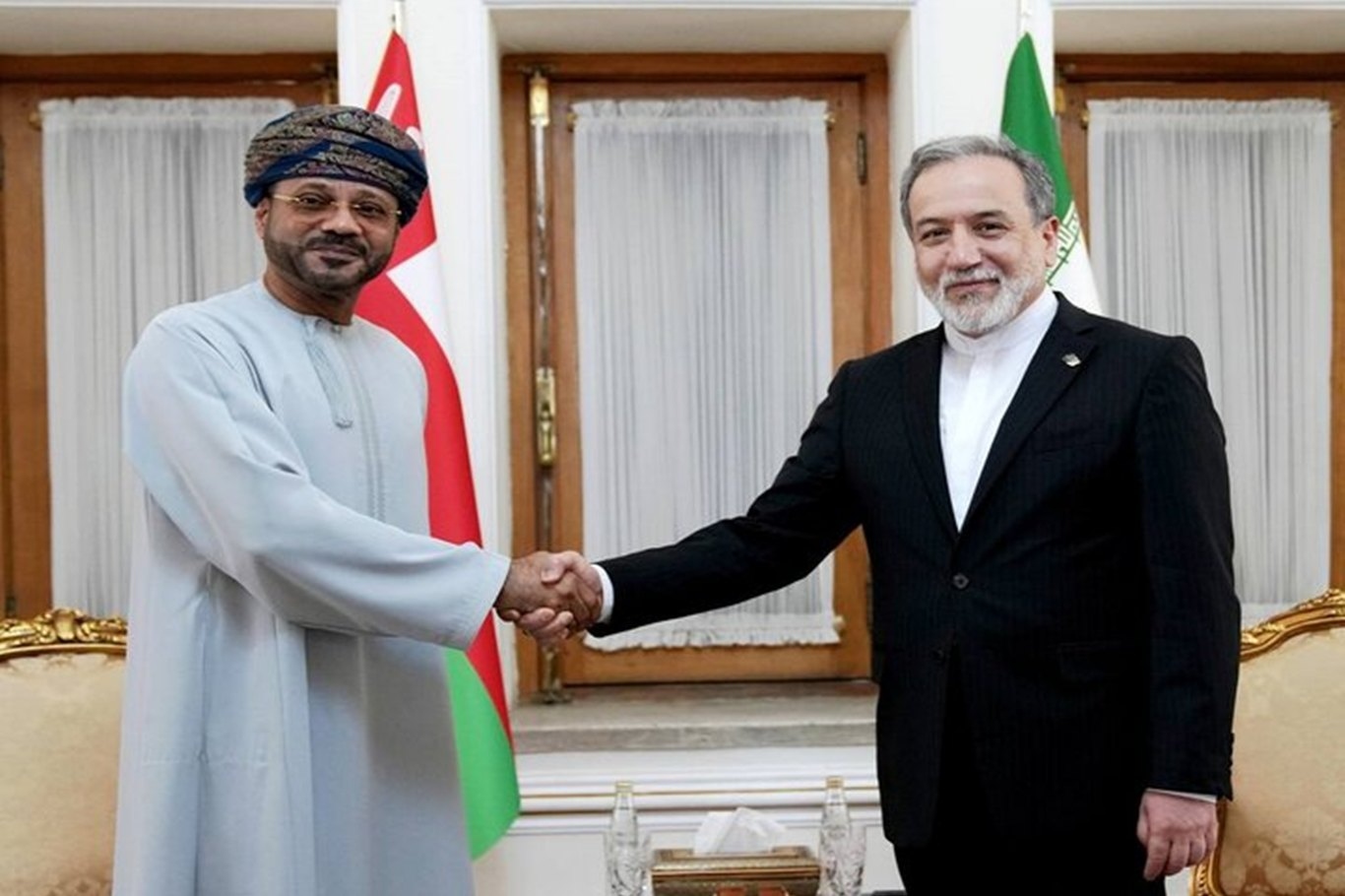
Iran and Oman have discussed establishing a temporary jointly managed maritime corridor in the Strait of Hormuz and launching a cooperative project to clear mines from the strategic waterway as part of broader efforts to restore safe navigation.
The proposal was discussed during talks in Tehran between Iranian Foreign Minister Seyed Abbas Araghchi and Omani Foreign Minister Sayyid Badr Albusaidi, after which the two countries issued a joint statement outlining the results of their meeting.
According to the statement, both sides reviewed the security situation in the Strait of Hormuz and stressed the importance of restoring the uninterrupted movement of commercial shipping while respecting the sovereign rights of both coastal states.
Roadmap for restoring maritime security
The ministers examined a phased framework aimed at addressing the consequences of recent regional hostilities and creating conditions for the safe resumption of maritime traffic through one of the world's most important energy shipping routes.
As part of the discussions, Iran and Oman considered establishing a temporary joint maritime corridor across the Strait of Hormuz and implementing a joint demining initiative to remove naval mines and improve navigational safety.
The two countries also agreed to continue technical negotiations on the possible creation of a permanent maritime corridor and on future arrangements for managing navigation through the strait.
Officials further discussed mechanisms for information sharing, maritime traffic management, and the coordination of navigation and security services.
Regional cooperation emphasized
Iran and Oman also underlined the importance of maintaining dialogue with other Gulf states and regional countries bordering the Persian Gulf to support broader maritime security efforts.
The joint statement reaffirmed both countries' commitment to international law and emphasized that any future arrangements should fully respect the sovereignty and legal rights of coastal states.
The Strait of Hormuz remains one of the world's most strategically important maritime chokepoints, carrying a significant share of global oil and liquefied natural gas exports. Any initiative aimed at improving security and ensuring freedom of navigation is therefore closely watched by international energy markets and regional stakeholders. (ILKHA)
LEGAL WARNING: All rights of the published news, photos and videos are reserved by İlke Haber Ajansı Basın Yayın San. Trade A.Ş. Under no circumstances can all or part of the news, photos and videos be used without a written contract or subscription.

Syria’s Foreign Ministry has condemned Israeli Defense Minister Israel Katz’s entry into Syrian territory, describing it as a violation of the country’s sovereignty and calling on the international community to stop what it described as repeated Israeli violations.
Canada has announced retaliatory tariffs on billions of dollars' worth of US goods, escalating an ongoing trade dispute between the two North American neighbors after Washington imposed new duties on selected Canadian exports.
Prosecutors say 74 high-performance AI servers reached mainland China despite US export restrictions