Taiwan indicts nine over alleged transfer of restricted AI servers to China
 13 oC
13 oC 
Güneşli

Prosecutors say 74 high-performance AI servers reached mainland China despite US export restrictions
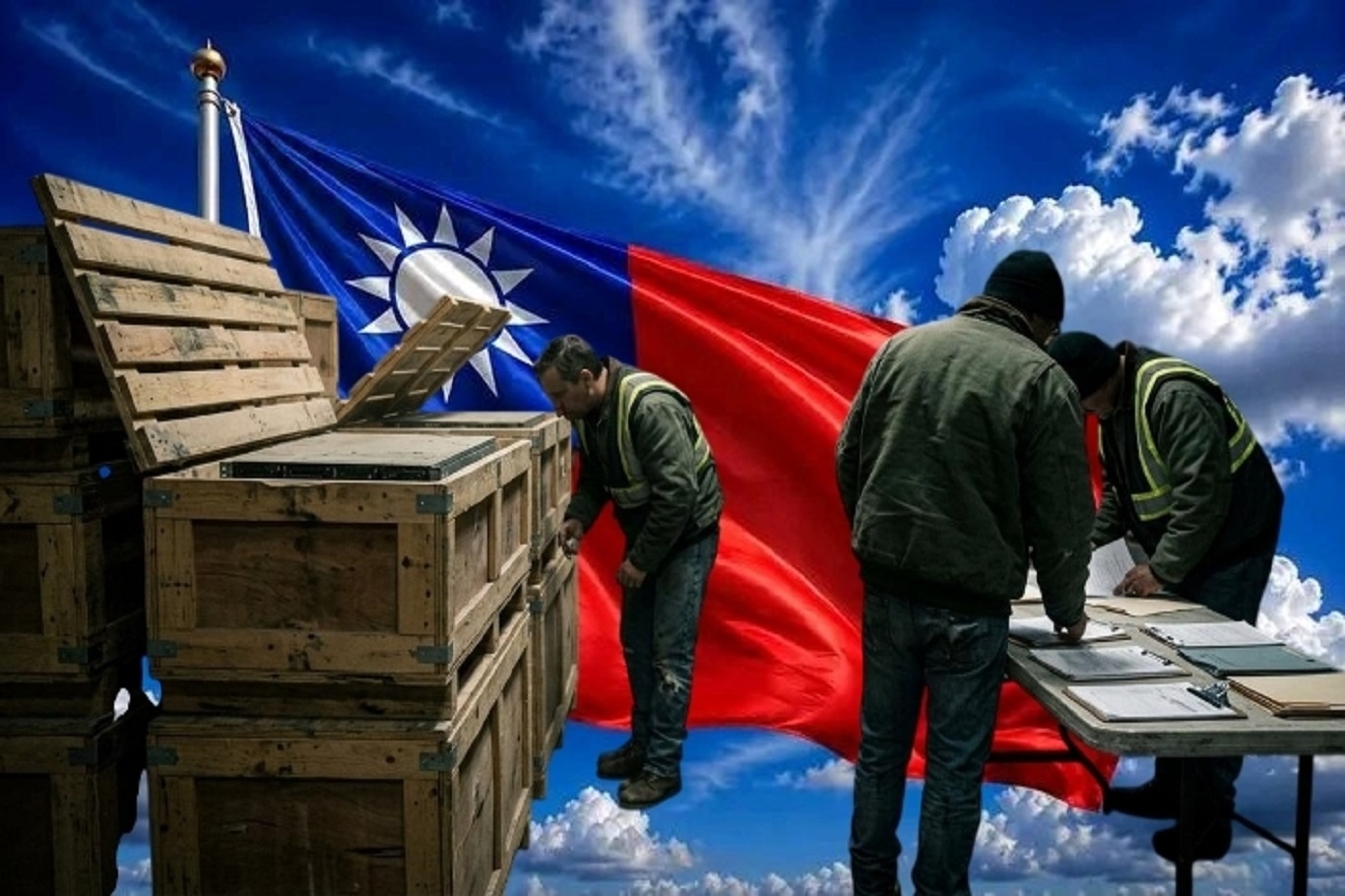
Taiwanese prosecutors have indicted nine individuals, including an Nvidia employee and two former Super Micro employees, for allegedly exporting high-performance artificial intelligence servers containing restricted US technology to mainland China in violation of export control regulations.
The investigation has raised fresh concerns over the effectiveness of US export controls aimed at limiting China's access to advanced semiconductor and AI technologies, particularly through global supply chains centered in Taiwan.
Dozens of restricted servers allegedly reached China
According to the Keelung District Prosecutors Office, a total of 74 high-performance AI servers successfully reached mainland China despite US export restrictions.
The investigation focuses on servers equipped with Nvidia's B300 graphics processing units (GPUs), which prosecutors say are subject to US export controls.
Authorities allege that 50 servers were routed through Indonesia, 16 were shipped directly to mainland China, and eight were sent through Japan and Hong Kong before arriving in China.
Investigators also said an additional attempt to export 56 servers was intercepted, with those systems remaining in Taiwan.
Alleged scheme involved shell companies and falsified records
Prosecutors claim several suspects established companies in Japan, created fraudulent websites and falsified export documentation to bypass US technology restrictions.
The indictment also alleges that an Nvidia manager identified only by the surname Chang played a key role in approving shipments involving servers fitted with restricted B300 GPUs.
Under Nvidia's compliance procedures, purchases involving more than eight high-performance AI servers reportedly require on-site verification by company personnel.
Four of the nine defendants face prison sentences of up to five years if convicted.
Nvidia and Super Micro cooperate with authorities
Nvidia spokesperson Patrick Rutherford said the company is cooperating with Taiwanese authorities and is working to clarify the allegations as quickly as possible.
Super Micro stated that the two individuals named in the case are former employees and said it continues to strengthen its export compliance programs to safeguard US technology and comply with international regulations.
Export control effectiveness questioned
The case highlights the ongoing challenges facing US efforts to prevent advanced AI hardware from reaching China through indirect supply routes.
It also underscores Taiwan's pivotal role in the global semiconductor supply chain, where companies are increasingly caught between tightening US export regulations and China's demand for advanced computing technology.
Despite years of expanded US export controls, the alleged transfer of restricted AI servers to China is expected to fuel further debate over the effectiveness and enforcement of technology restrictions designed to limit Beijing's access to cutting-edge artificial intelligence infrastructure. (ILKHA)
LEGAL WARNING: All rights of the published news, photos and videos are reserved by İlke Haber Ajansı Basın Yayın San. Trade A.Ş. Under no circumstances can all or part of the news, photos and videos be used without a written contract or subscription.
Tehran and Muscat explore joint framework to restore safe navigation and advance demining efforts in the strategic waterway

Syria’s Foreign Ministry has condemned Israeli Defense Minister Israel Katz’s entry into Syrian territory, describing it as a violation of the country’s sovereignty and calling on the international community to stop what it described as repeated Israeli violations.

Canada has announced retaliatory tariffs on billions of dollars' worth of US goods, escalating an ongoing trade dispute between the two North American neighbors after Washington imposed new duties on selected Canadian exports.