Iran says 10 foreign intelligence agencies coordinated Destabilization effort
 13 oC
13 oC 
Güneşli

Iran’s Islamic Revolutionary Guard Corps (IRGC) said on Friday it had uncovered evidence of what it described as an “enemy command room” involving 10 foreign intelligence services.
In a statement issued to mark Pasdar (Guards) Day and the Islamic month of Sha’ban, the IRGC said the unrest that followed the conflict was part of a broader U.S.-Israeli strategy aimed at destabilizing Iran after the military confrontation.
“These terrorist incidents were designed in continuation of the 12-day war and influenced by the strategic failures of the ruling global powers, carried out hastily,” the statement said.
According to the IRGC, intelligence assessments showed that hostile actors activated a joint operational command immediately after the war, involving 10 foreign intelligence agencies. The command room’s mission, the IRGC said, was to create an existential threat to Iran by simultaneously fomenting internal unrest, mobilizing armed groups, and paving the way for foreign intervention.
The statement said documents obtained from the alleged command center indicated that the operation focused on three main pillars: domestic turmoil, militant group activation, and external military pressure, all intended to push Iran toward instability.
In response, the IRGC’s intelligence organization said it launched what it described as “cognitive intervention” measures and a series of intelligence and security operations aimed at neutralizing the perceived threats.
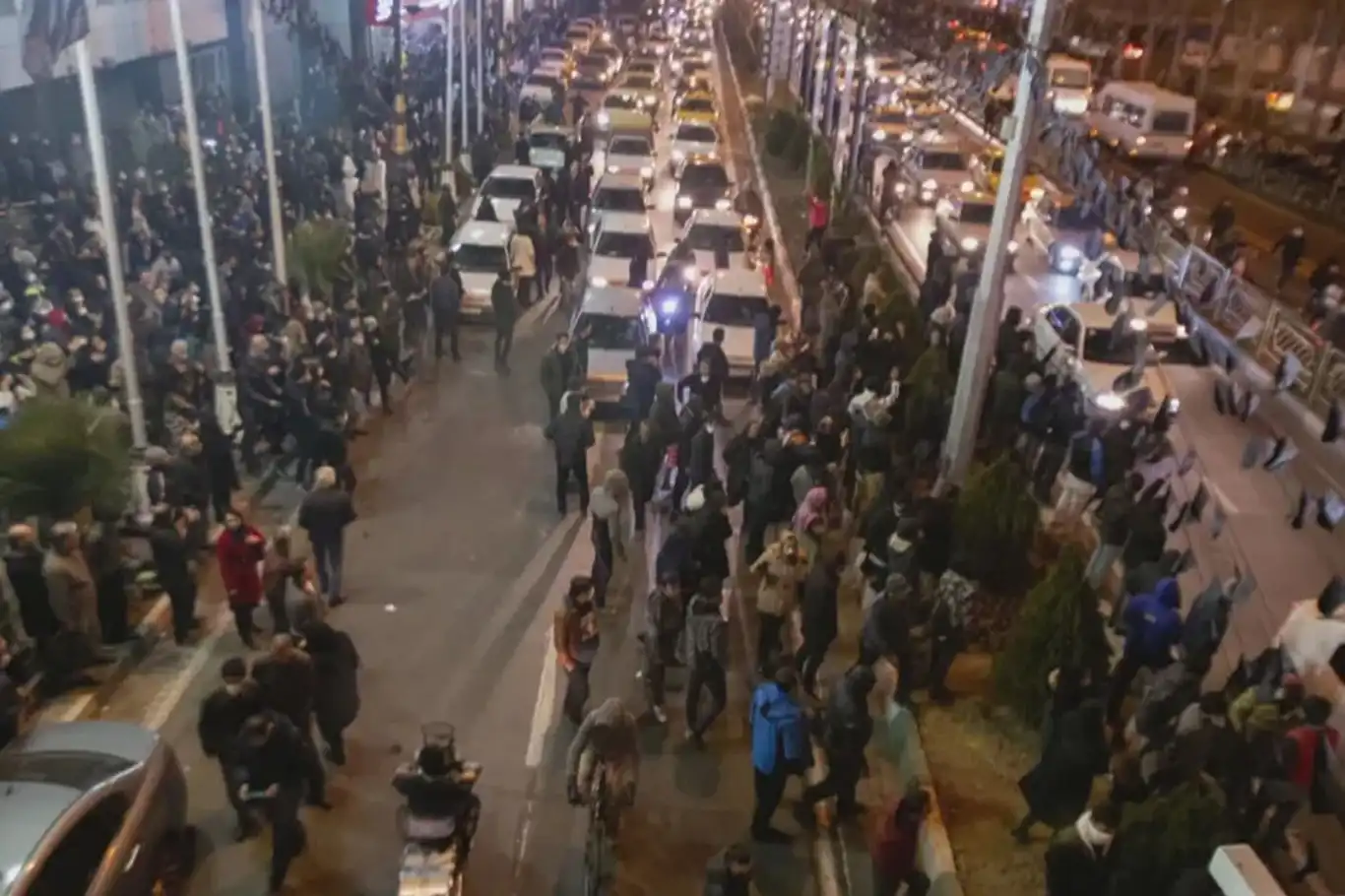
Between late June and early December, security forces carried out a targeted operational plan focused on dismantling internal unrest and disrupting networks linked to the riots, the statement said. Authorities reported that hundreds of individuals connected to what they described as anti-security networks were arrested or summoned for questioning.
The IRGC added that thousands of other individuals considered vulnerable to recruitment were placed under monitoring and guidance programs, while extensive outreach was conducted with social groups and professional sectors to raise awareness. Security forces also reported seizing hundreds of illegal weapons, including military-grade firearms and hunting rifles.
According to the statement, 46 individuals linked to networks collaborating with foreign intelligence agencies were identified and “employed within counter-intelligence efforts,” without providing further details.
The IRGC described the unrest as a reconfigured and weakened form of a “combined operations” campaign orchestrated by Iran’s adversaries. It said the operation, codenamed “Operation Lightning Strike,” was designed to undermine Iran’s political system and national unity.
The statement alleged that the plan relied on blending rioters with civilians, leveraging foreign political and security backing, manipulating social media algorithms and satellite television channels, and deploying criminal elements such as armed robbers, traffickers, and hired assailants.
The IRGC said the unrest led to the deaths of civilians as well as members of the security forces, law enforcement agencies, and the Basij, during what it described as violent confrontations.
The intelligence organization said it continues to monitor communication networks used by alleged rioters to coordinate with foreign handlers, surveil hostile elements along border areas, and conduct what it termed “cognitive operations” against planners and operatives. It also said cooperation with citizens and social groups remains central to dismantling street-level support networks.
In a related development, Iran’s Ministry of Intelligence said 16 individuals involved in December terrorist incidents in Tehran were arrested over the past 24 hours in joint operations with law enforcement agencies.
According to the ministry, eight suspects were detained in the Sattarkhan, Marzdaran, and Golestan Shahr districts. One suspect, described as intoxicated, resisted arrest and was shot in the leg. Authorities said the group was involved in attacks on security forces and arson targeting public and private vehicles.
Security forces said they confiscated more than 40 cold weapons, including blood-stained machetes, as well as stolen police and Basij uniforms, military ammunition, narcotics, and large quantities of alcohol. Officials added that some detainees were financially affluent, including at least one factory owner.
An additional eight suspects were arrested in other parts of Tehran, including the Baharestan area, on charges related to manufacturing and deploying homemade explosives, arson attacks, and assaults on security personnel.
The ministry said the arrests demonstrate that operations targeting networks accused of coordinating foreign-backed unrest inside Iran are ongoing.
Concluding its statement, the IRGC reaffirmed loyalty to Iran’s leadership and expressed confidence that the country would overcome what it described as externally driven threats through unity, vigilance, and faith. (ILKHA)
LEGAL WARNING: All rights of the published news, photos and videos are reserved by İlke Haber Ajansı Basın Yayın San. Trade A.Ş. Under no circumstances can all or part of the news, photos and videos be used without a written contract or subscription.
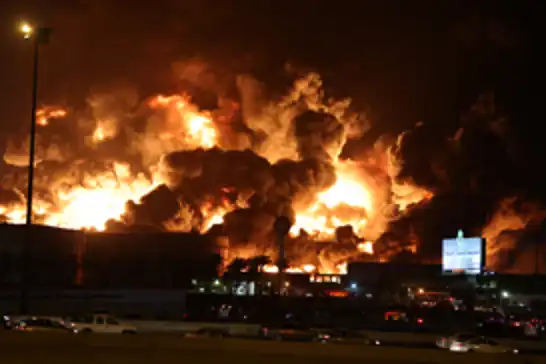
The Yemeni Armed Forces said on Saturday they had launched a major military operation against Saudi Aramco sites in Riyadh using ballistic missiles and drones, describing the attack as a response to intensified Saudi strikes on Sanaa and other parts of Yemen.
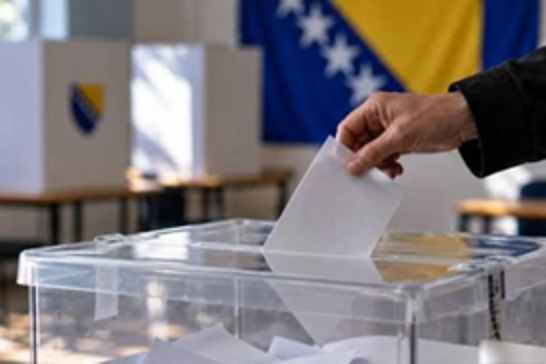
Bosnia and Herzegovina votes on Sunday in elections that will test whether the country can overcome years of political deadlock and revive its stalled bid to join the European Union.
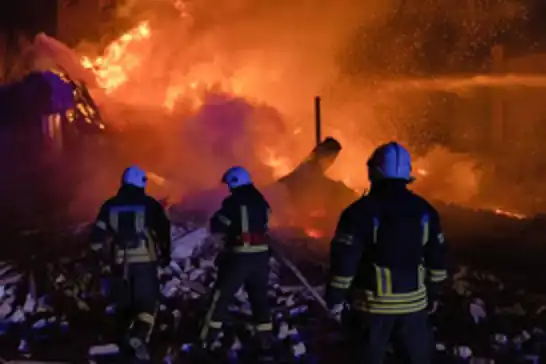
Ukraine will intensify attacks on Russian oil refineries in response to what President Volodymyr Zelenskiy described as a new Russian airstrike policy aimed at forcing residents to leave Kyiv and other Ukrainian cities, but Kyiv will not target civilians, he said.
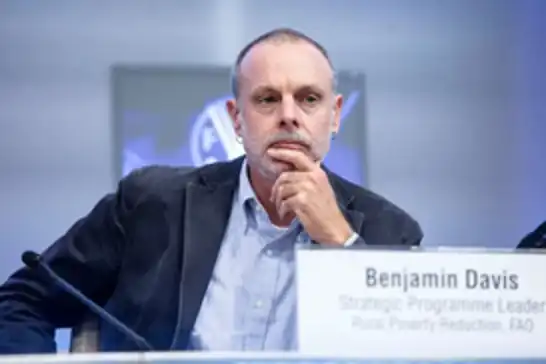
A senior United Nations Food and Agriculture Organization (FAO) official says he lost his job after 26 years with the agency because of his criticism of Israel’s war on Gaza and his involvement in protests over the territory’s worsening hunger crisis.