Iran sends conditions for ending war to Washington through Qatar, security chief says
 13 oC
13 oC 
Güneşli

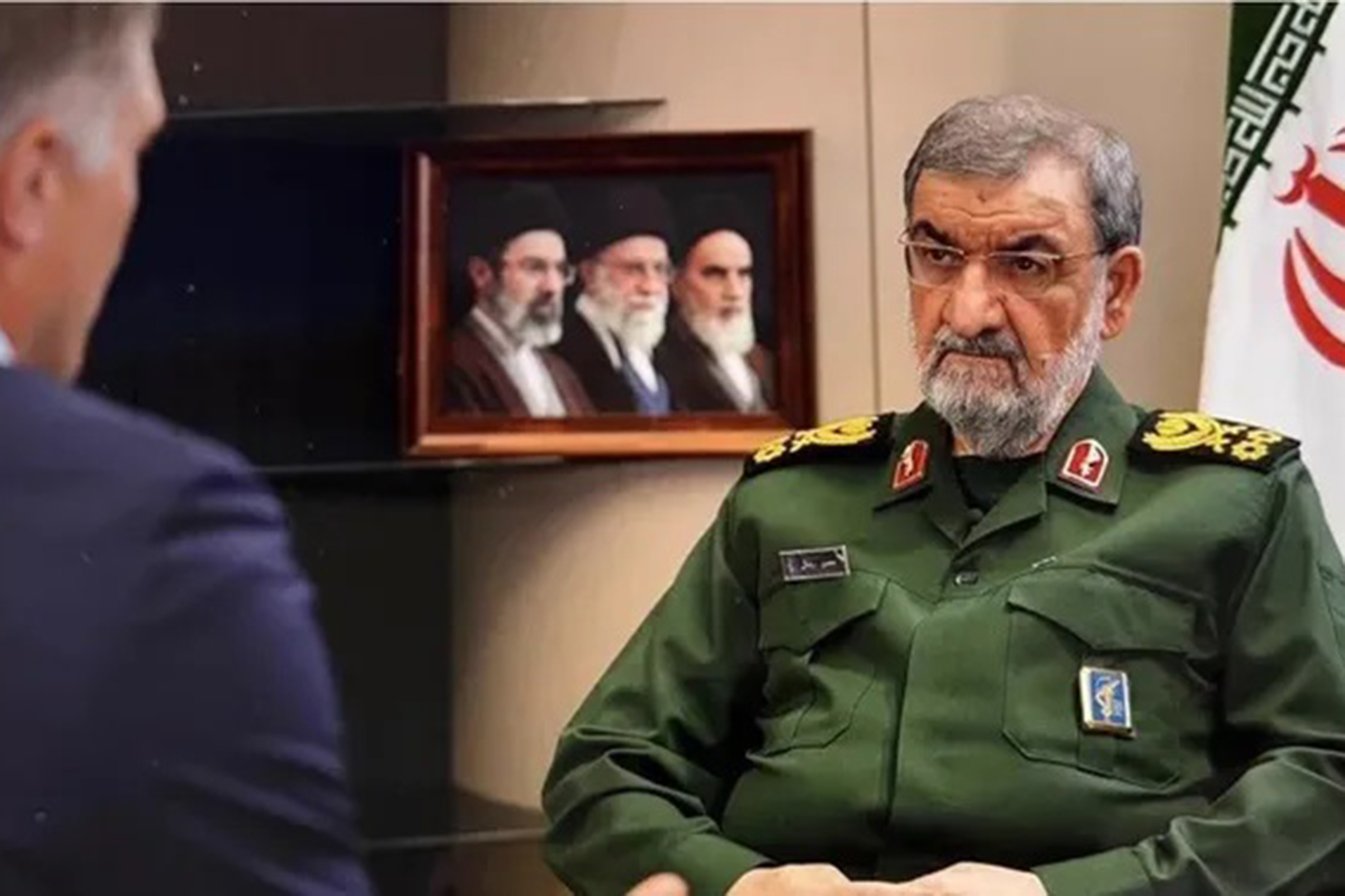
Iran has conveyed conditions for ending its war with the United States to Washington through Qatar and is awaiting a response from President Donald Trump, Iranian Supreme National Security Council Secretary Mohsen Rezaei said Saturday.
In an exclusive interview with Al Jazeera, Rezaei said Tehran remained in contact with Qatar, which had passed Iran's conditions to the U.S. side. He said the demands included an end to the war on all fronts, the release of Iranian funds frozen abroad and an end to the U.S. naval blockade.
“It is in Washington’s interest to accept these conditions,” Rezaei said, adding that threats from Trump would not force Tehran to change its position. He said Iran remained prepared for what he called a “decisive war.”
Rezaei's comments came as diplomatic efforts to end the conflict continue through regional intermediaries, including Qatar and Pakistan. The two countries have been attempting to revive negotiations between Tehran and Washington after a previous memorandum of understanding collapsed.
Trump said earlier this week that the United States could be nearing the end of the war and claimed that he had spoken directly with Iranian officials. Tehran, however, has not confirmed that formal direct negotiations have resumed. Iranian officials have continued to insist that Washington must first address Tehran's conditions.
Rezaei said Iran had not ruled out another U.S. attack and that Tehran's military assessments continued to consider the possibility significant.
He said Iran had changed its military planning following two previous rounds of fighting and was now paying particular attention to U.S. naval forces stretching from the Persian Gulf to the Gulf of Oman and the Arabian Sea.
Rezaei also claimed that Iran had recently test-fired a multi-warhead anti-ship missile near a U.S. vessel or aircraft carrier, saying the weapon's warheads could be further developed. The claim could not be independently verified.
He warned that any future Iranian retaliation would be severe and could target U.S. military bases across the region as well as American commercial interests and companies operating locally.
The statements underscore the continued risk of escalation even as diplomatic channels remain open.
In a separate statement following the interview, Rezaei said Iran had also conveyed seven conditions to Washington for the start of negotiations. He did not disclose the details of the seven demands.
He said the United States would have to recognize Iran's rights and accept its conditions if the current crisis was to be resolved.
Iran has previously tied any agreement to an end to the U.S. military campaign, the lifting of the naval blockade, the release of frozen Iranian assets and broader regional ceasefire arrangements. Rezaei reiterated similar demands earlier this month, when Tehran said the Strait of Hormuz would remain closed until its conditions were met.
Qatar and Pakistan have emerged as important intermediaries between Tehran and Washington as direct negotiations remain stalled.
Pakistan has repeatedly offered to facilitate communication between the two sides, while Qatar has been involved in efforts aimed at maintaining diplomatic channels and addressing the crisis surrounding the Strait of Hormuz. More recently, Pakistani and Iranian officials have continued consultations as regional tensions have spread.
Diplomatic efforts have nevertheless faced repeated setbacks. A previous Pakistan-brokered memorandum was intended to establish a 60-day period for negotiations, including arrangements concerning the Strait of Hormuz, but the agreement subsequently collapsed amid accusations from both sides that its commitments had been violated.
The strategic waterway remains one of the conflict's principal flashpoints. Its disruption has contributed to severe pressure on global energy markets, with oil prices rising above $100 a barrel and disruptions spreading through other key shipping routes in the region.
Asked whether the war could end soon, Rezaei said that, in practical terms, the conflict was still continuing, but that Tehran was pursuing a new strategy intended to bring the fighting to an end as quickly as possible.
Al Jazeera's correspondent in Tehran described the Iranian position as a dual-track approach: keeping diplomatic channels open while maintaining military readiness for a possible new confrontation.
The United States has also signaled interest in diplomacy. Trump said Wednesday that he hoped the war was nearing its end, while reports indicated that he was preparing to meet Gulf leaders on the sidelines of the United Nations General Assembly to discuss the conflict and its regional consequences.
But significant differences remain between Washington and Tehran over the terms of any settlement.
For now, Iran says it is ready to negotiate—but only on conditions it considers essential—while simultaneously warning that any renewed U.S. military action would trigger a forceful response.
With the war now in its seventh month, the competing diplomatic and military signals leave the prospect of a negotiated settlement uncertain, while the continued disruption of shipping and energy supplies threatens to extend the conflict's economic impact well beyond the region. (ILKHA)
LEGAL WARNING: All rights of the published news, photos and videos are reserved by İlke Haber Ajansı Basın Yayın San. Trade A.Ş. Under no circumstances can all or part of the news, photos and videos be used without a written contract or subscription.
Slovak Prime Minister Robert Fico has accused some Western politicians of seeking to provoke a direct confrontation between NATO and Russia, warning that a failed strategy to defeat Moscow through the war in Ukraine could push Europe toward a much broader conflict.

Russian authorities said cyberattacks targeted the country's electronic voting system and communications infrastructure as a three-day parliamentary election entered its final stages on Saturday, while the vote was being held for the first time in territories of Ukraine occupied by Russia.
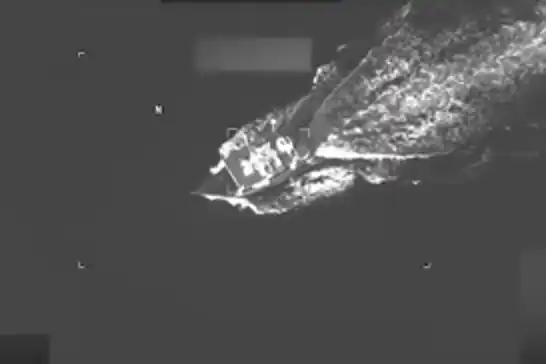
The U.S. military has killed four more people in a strike on a boat it accused of drug trafficking in the Caribbean, intensifying scrutiny of the Trump administration's increasingly militarized campaign against alleged drug smugglers across Latin America.