Russia reports cyberattacks on voting systems during parliamentary election
 13 oC
13 oC 
Güneşli

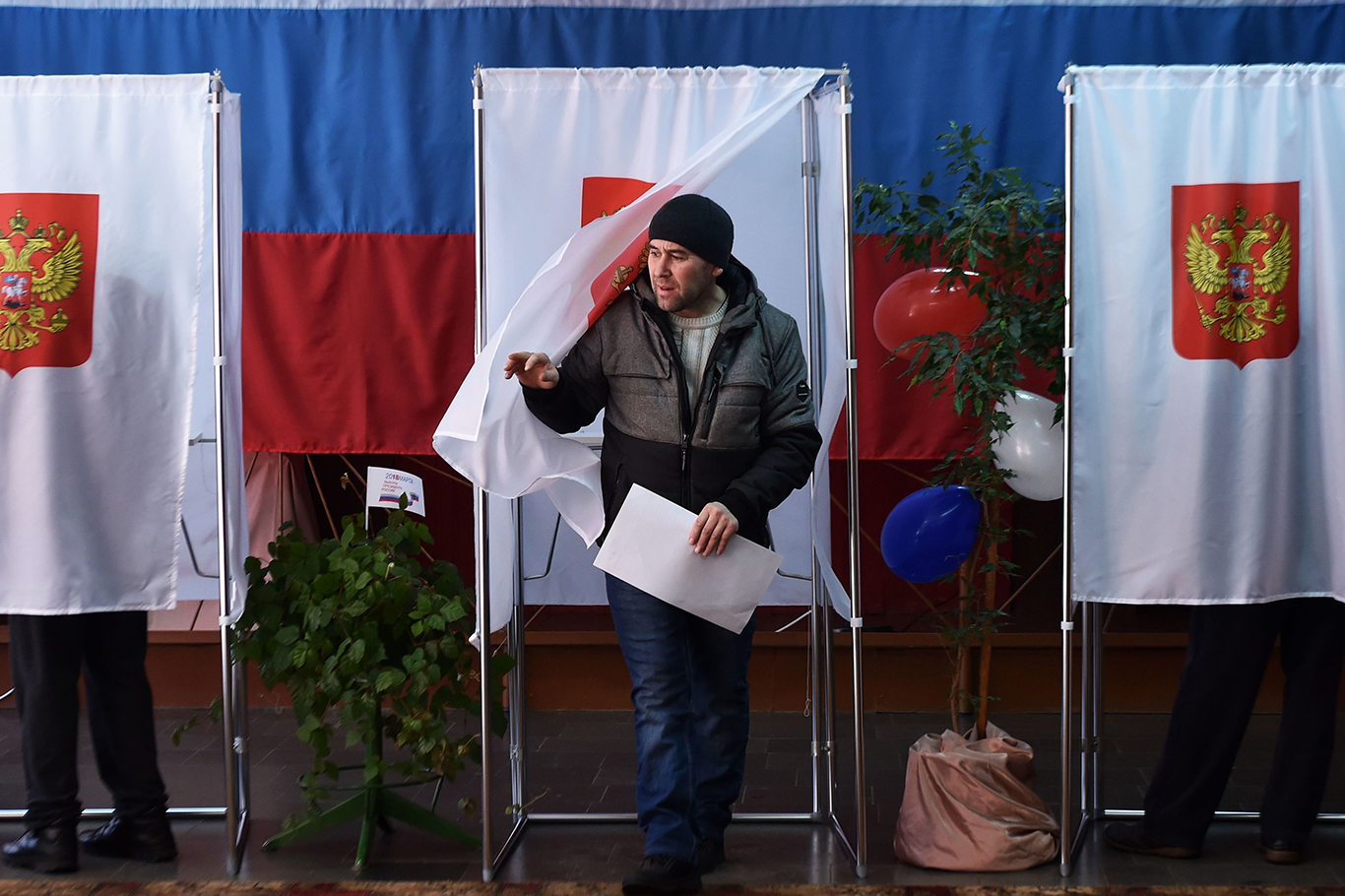
Russian authorities said cyberattacks targeted the country's electronic voting system and communications infrastructure as a three-day parliamentary election entered its final stages on Saturday, while the vote was being held for the first time in territories of Ukraine occupied by Russia.
Ella Pamfilova, head of Russia's Central Election Commission, said Moscow's remote electronic voting system had come under what she described as a powerful and sustained cyberattack overnight. She said the attacks were being repelled and that the system remained operational. Russian authorities did not provide details identifying the perpetrators, and the reported attacks could not be independently verified.
Russia's Digital Ministry separately reported an attempted act of sabotage targeting communications infrastructure in the country's Far East. Officials said the attempt had been thwarted and communications restored without disrupting voting.
President Vladimir Putin had previously accused Ukraine of attempting to interfere with the election, but Russian authorities have provided no public evidence linking Kyiv to the reported cyberattacks. Ukraine has not claimed responsibility for the alleged attacks.
The election, which runs from Sept. 18 to Sept. 20, will determine all 450 seats in the State Duma, Russia's lower house of parliament. It is the first parliamentary election since Moscow launched its full-scale invasion of Ukraine in February 2022 and is taking place amid heavy restrictions on political opposition.
The ruling United Russia party currently dominates the Duma and is widely expected to retain its position. Most anti-war candidates have been excluded from the parliamentary contest, while the liberal Yabloko party was removed from the nationwide party ballot following a Supreme Court ruling last month. Some Yabloko candidates remain in individual constituency races.
The restrictions have drawn criticism from European officials. The European Commission said the election reflected the continued erosion of democratic competition in Russia and accused the authorities of systematically excluding opposition forces and restricting access to independent information. The EU also criticized Moscow's decision not to invite an OSCE election observation mission.
For the first time in a Russian parliamentary election, Moscow is also holding voting in parts of Ukraine's Donetsk, Luhansk, Zaporizhzhia and Kherson regions that it claims to have annexed.
The territories remain internationally recognized as part of Ukraine, and Russia does not fully control any of the four regions. Russian authorities say more than 3.5 million eligible voters live there and have cited security concerns for extending the voting period.
Ukraine has condemned the elections as illegal, while Ukrainian human rights groups have reported pressure on residents to participate, including allegations that election officials have been accompanied by armed personnel.
The European Union has rejected the voting in the occupied territories outright. The European Commission said on Sept. 18 that the organization of elections there was a “blatant violation of international law” and that the EU would not recognize either the conduct of the elections or their results.
The parliamentary vote is unfolding against the backdrop of Russia's war in Ukraine, now in its fifth year. Moscow has presented the election as an expression of national political support, while critics argue that the limited space for anti-war and opposition candidates makes it difficult for voters to choose among competing positions on the war and the country's political direction.
The reported cyberattacks and drone strikes have added a further security dimension to the election. Russian authorities have repeatedly said Ukrainian attacks are intended to disrupt the vote, but allegations concerning responsibility for the cyber incidents have not been independently established.
By Saturday afternoon, nationwide turnout stood at 32.58%, according to figures from Russia's Central Election Commission cited by Reuters.
As voting enters its final day, the election is therefore being closely watched not only for the distribution of seats in the State Duma, but also for what turnout, opposition participation and voting patterns may indicate about public attitudes toward the Kremlin and its war in Ukraine. (ILKHA)
LEGAL WARNING: All rights of the published news, photos and videos are reserved by İlke Haber Ajansı Basın Yayın San. Trade A.Ş. Under no circumstances can all or part of the news, photos and videos be used without a written contract or subscription.
Iran has conveyed conditions for ending its war with the United States to Washington through Qatar and is awaiting a response from President Donald Trump, Iranian Supreme National Security Council Secretary Mohsen Rezaei said Saturday.
Slovak Prime Minister Robert Fico has accused some Western politicians of seeking to provoke a direct confrontation between NATO and Russia, warning that a failed strategy to defeat Moscow through the war in Ukraine could push Europe toward a much broader conflict.
The U.S. military has killed four more people in a strike on a boat it accused of drug trafficking in the Caribbean, intensifying scrutiny of the Trump administration's increasingly militarized campaign against alleged drug smugglers across Latin America.