Slovak PM Fico accuses some Western politicians of seeking NATO-Russia war
 13 oC
13 oC 
Güneşli

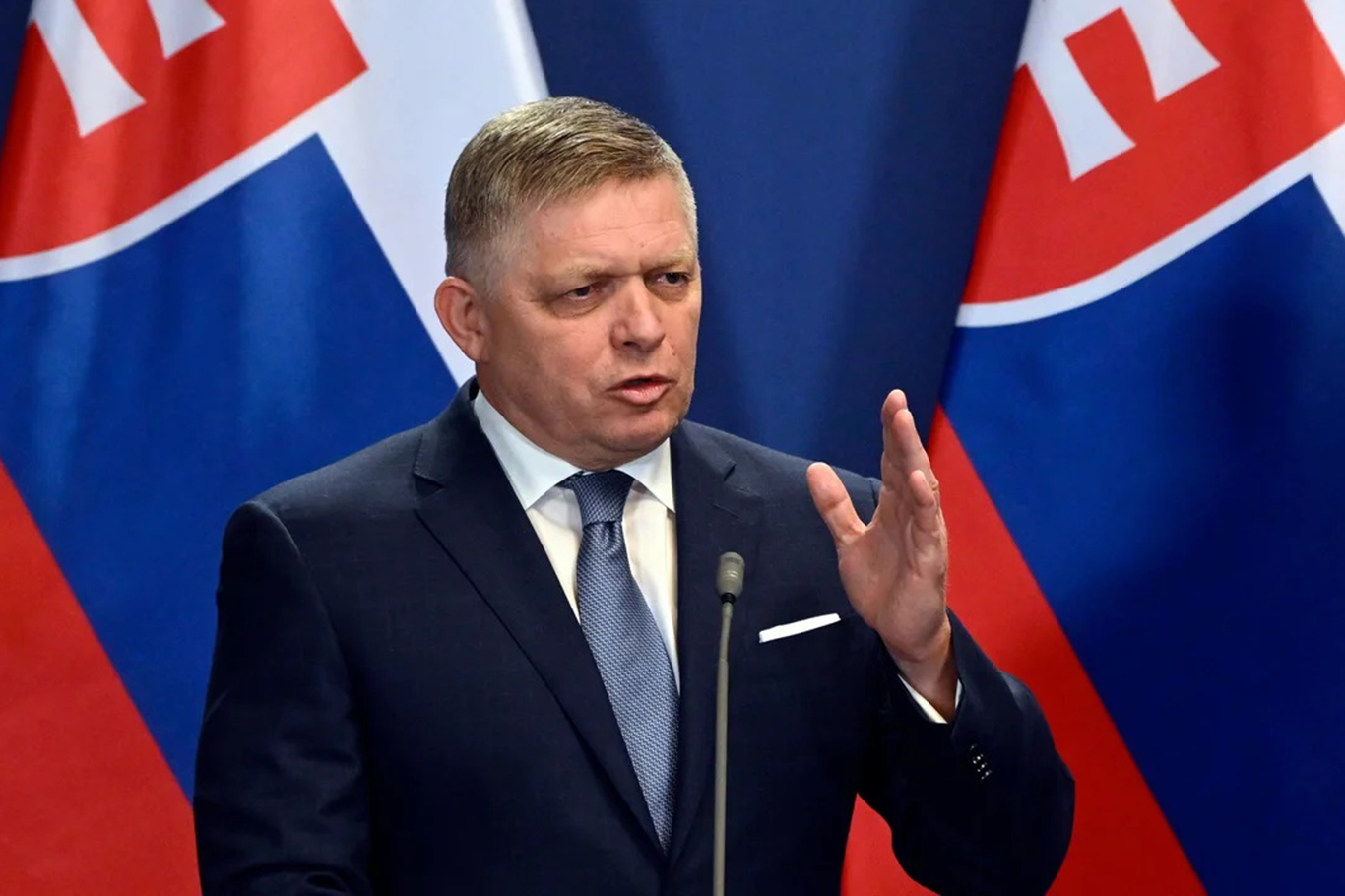
Slovak Prime Minister Robert Fico has accused some Western politicians of seeking to provoke a direct confrontation between NATO and Russia, warning that a failed strategy to defeat Moscow through the war in Ukraine could push Europe toward a much broader conflict.
Fico said Western support for Ukraine had failed to achieve its stated objective of defeating Russia and that some politicians were now allegedly looking for another way to confront Moscow.
“The failure of the strategy to destroy Russia through the war in Ukraine” had led some Western politicians to conclude that, if Russia could not be defeated through Ukrainian forces and continued Western support, “every effort must be made to trigger a conflict between NATO and Russia,” Fico said.
Fico did not identify the politicians he was referring to or provide evidence of a coordinated Western effort to deliberately trigger a NATO-Russia war.
His comments come as tensions between Russia and European NATO members have intensified, with several governments warning of increasingly frequent Russian hybrid operations, including alleged cyberattacks, sabotage and drone incidents.
Polish Prime Minister Donald Tusk warned this week that Russia could seek to test NATO's resolve by carrying out drone or missile attacks against countries supporting Ukraine and then portraying such incidents as accidental. Tusk said the objective could be to weaken the alliance's willingness to respond under its collective-defense commitments.
France has also accused Russia of intensifying hybrid attacks against European countries, with President Emmanuel Macron saying the threat posed by Russian hybrid activity had increased.
Against that backdrop, Fico said Europe was closer than ever to a large-scale war emerging from the Ukraine conflict and warned that continued military support for Kyiv risked widening the confrontation.
“We face a mortal danger,” Fico said, accusing the West of “pouring fuel on the fire” through its support for Ukraine.
The Slovak prime minister has repeatedly opposed military support for Ukraine and has maintained diplomatic contacts with Moscow, making him one of the most vocal critics within NATO of the alliance's approach to the war.
Earlier this week, Fico said he would do everything in his power to prevent Slovakia from being drawn into a military conflict through NATO's Article 5, which commits members to assist an ally subjected to an armed attack.
“Yes, we are part of NATO, we value that, and we are committed to cooperation and fulfilling our obligations,” Fico said. “But as prime minister, I will do everything I can to ensure that Slovakia is never drawn into an armed conflict.”
His remarks have raised questions about how Bratislava would respond if another NATO member were attacked. Article 5 does not automatically require every member to deploy troops; each ally determines what action it considers necessary in response to an armed attack.
Fico's position has nevertheless placed him at odds with governments in eastern and northern Europe that regard Russia as an increasingly direct security threat.
The debate comes as European governments strengthen their defenses and increase military spending while warning that the war in Ukraine has created a wider security challenge.
Poland has repeatedly warned that Russian drones, missiles or other hybrid operations could eventually target NATO territory. Other European officials have similarly pointed to incidents involving drones, cyber operations and sabotage as evidence of a growing security threat.
Fico, however, argues that increasingly confrontational rhetoric and military support for Ukraine risk creating a chain of events that could ultimately bring NATO forces into direct conflict with Russia.
His comments highlight a widening disagreement within Europe over how to respond to Moscow: while governments on NATO's eastern flank are calling for stronger deterrence and greater military preparedness, Fico has argued that escalation itself poses the greatest danger.
At the same time, the war continues to generate military and political pressure across the continent, with European governments seeking to strengthen defenses while maintaining support for Ukraine.
For NATO, the central challenge is increasingly how to deter further Russian attacks or hybrid operations without allowing the conflict in Ukraine to develop into a direct confrontation between the alliance and Moscow.
Fico's warnings reflect the growing political divide over that question—and the increasingly difficult balance between supporting Ukraine, deterring Russia and avoiding a wider European war. (ILKHA)
LEGAL WARNING: All rights of the published news, photos and videos are reserved by İlke Haber Ajansı Basın Yayın San. Trade A.Ş. Under no circumstances can all or part of the news, photos and videos be used without a written contract or subscription.
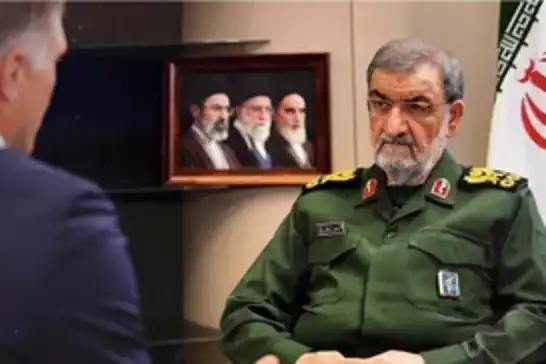
Iran has conveyed conditions for ending its war with the United States to Washington through Qatar and is awaiting a response from President Donald Trump, Iranian Supreme National Security Council Secretary Mohsen Rezaei said Saturday.
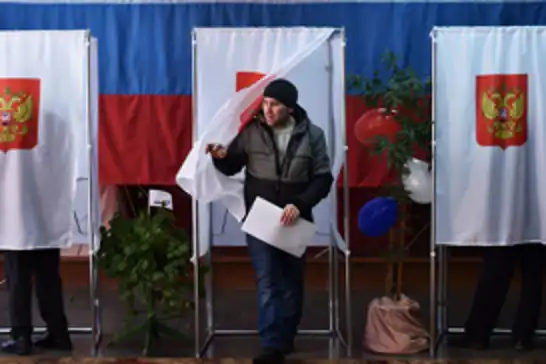
Russian authorities said cyberattacks targeted the country's electronic voting system and communications infrastructure as a three-day parliamentary election entered its final stages on Saturday, while the vote was being held for the first time in territories of Ukraine occupied by Russia.
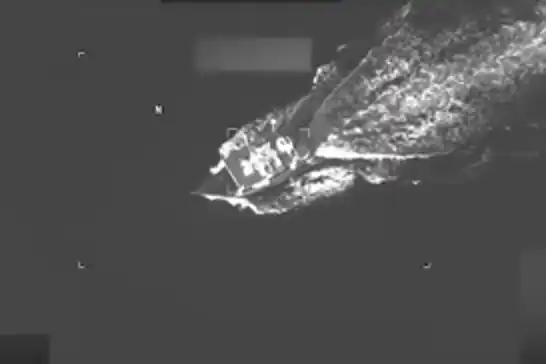
The U.S. military has killed four more people in a strike on a boat it accused of drug trafficking in the Caribbean, intensifying scrutiny of the Trump administration's increasingly militarized campaign against alleged drug smugglers across Latin America.