Iraq set for security shift as US-led coalition mission ends
 13 oC
13 oC 
Güneşli

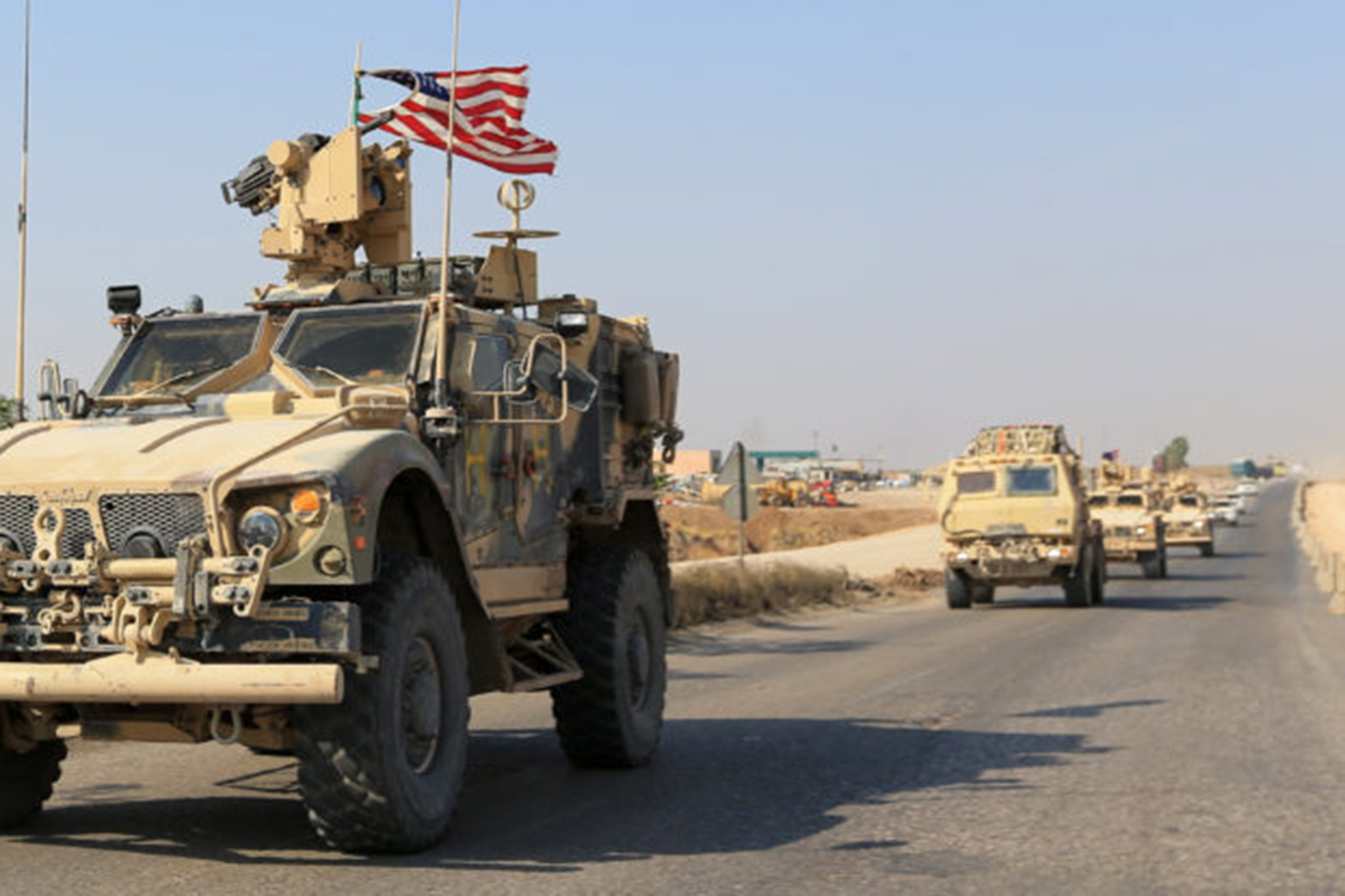
Iraq is preparing for a major change in its security arrangements as the U.S.-led international coalition formally ends its mission this month, while Baghdad seeks greater control over foreign military deployments and weapons held by armed groups.
Lt. Gen. Abdul-Amir al-Shammari, director of the Office of the Commander-in-Chief of the Iraqi Armed Forces, said on Saturday that the coalition headquarters would close at the end of September and that no foreign combat forces or military bases would remain in Iraq.
He said Iraqi security forces were ready to assume responsibilities previously supported by the coalition.
The coalition's mission is scheduled to end on Sept. 30 under an agreement between Baghdad and Washington. The transition is expected to replace the multinational military mission with bilateral security cooperation between Iraq and coalition member states.
Iraq declared victory over Islamic State in 2017 after the group seized large areas of the country three years earlier, although militants have continued to carry out occasional attacks.
Al-Shammari said Iraq's air force and other aviation capabilities would help fill the operational gap following the coalition's departure and said there was no reason for concern over the country's security.
The end of the coalition mission comes as Baghdad also seeks changes to the presence of other foreign forces in Iraq.
Al-Shammari said negotiations were underway over the withdrawal of Turkish forces from the Bashiqa military base in northern Iraq.
He said Turkish troops were expected to leave the base within two months under an agreement being discussed between the two countries.
Türkiye established a military presence at Bashiqa, near Mosul, in 2015, saying its forces were helping train Iraqi forces and supporting the fight against Islamic State.
The Turkish military presence has long been a source of tension between Baghdad and Ankara. Iraq has repeatedly called for greater respect for its sovereignty, while Türkiye says its operations in northern Iraq are aimed at preventing attacks by the Kurdistan Workers Party (PKK), which Ankara, the United States and European Union designate as a terrorist organisation.
Al-Shammari also said Iraqi forces had taken full control of Mount Sinjar, an area where Iraqi federal forces, Kurdish forces and various armed groups have operated.
The Iraqi government is also pushing to bring weapons held by armed factions under state authority.
Al-Shammari said three armed groups had handed over drone and missile capabilities to the government, while discussions were continuing with other groups and political leaders over arrangements to integrate their forces into the Popular Mobilization Forces, a state security umbrella that includes numerous armed factions.
He said there would be no justification for weapons to remain outside the framework of Iraqi law and state authority after the coalition mission ends.
The government has sought to address the issue through negotiations, reflecting the political and security influence of armed factions that form part of Iraq's broader political system.
Al-Shammari said Baghdad also opposed the use of Iraqi territory to launch attacks against neighboring countries and was strengthening security coordination with regional states.
He cited cooperation with Jordan and Kuwait and said Iraq was examining the deployment of additional border guards along its frontier with Türkiye.
The mountainous terrain along the Iraq-Iran border presents a particular challenge, he said, requiring further efforts to strengthen government control.
Federal Iraqi authorities have also increased coordination with the Kurdistan Regional Government over border security, intelligence sharing and military cooperation.
The changes come as Baghdad seeks to assume greater responsibility for national security following the coalition's withdrawal while maintaining security ties with international partners through bilateral arrangements.
The end of the coalition mission will therefore mark a change in the form of foreign military involvement in Iraq rather than an end to Iraq's security cooperation with the United States and other international partners. (ILKHA)
LEGAL WARNING: All rights of the published news, photos and videos are reserved by İlke Haber Ajansı Basın Yayın San. Trade A.Ş. Under no circumstances can all or part of the news, photos and videos be used without a written contract or subscription.
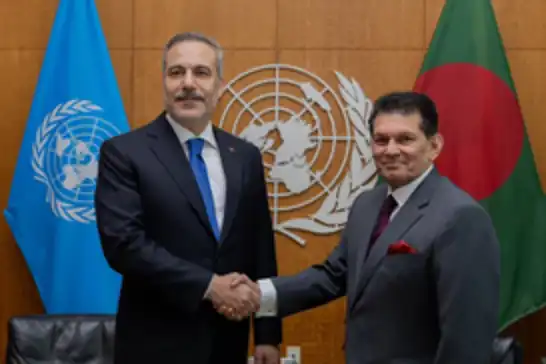
Turkish Foreign Minister Hakan Fidan met Khalilur Rahman, president of the 81st session of the United Nations General Assembly, in New York, Türkiye’s Foreign Ministry said on Saturday.
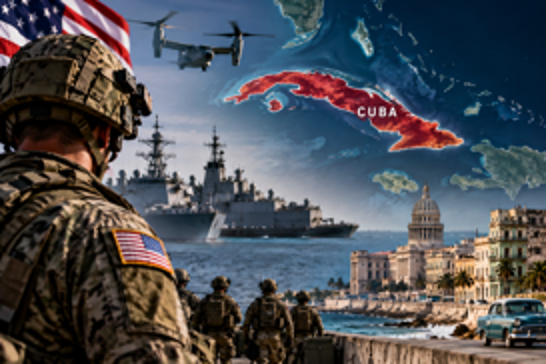
The U.S. Army Reserve is assessing whether it can make military police, medical and other support units available to U.S. Southern Command within 90 to 120 days, according to an internal Army message reviewed by CBS News, as Washington continues military planning related to Cuba.

US President Donald Trump has rejected an Iranian proposal that could reopen the Strait of Hormuz within seven days, despite Tehran’s call for a negotiated framework to halt hostilities and restore normal maritime traffic through one of the world’s most important energy corridors.