Japanese helicopters to conduct water-bombing operations
 13 oC
13 oC 
Güneşli

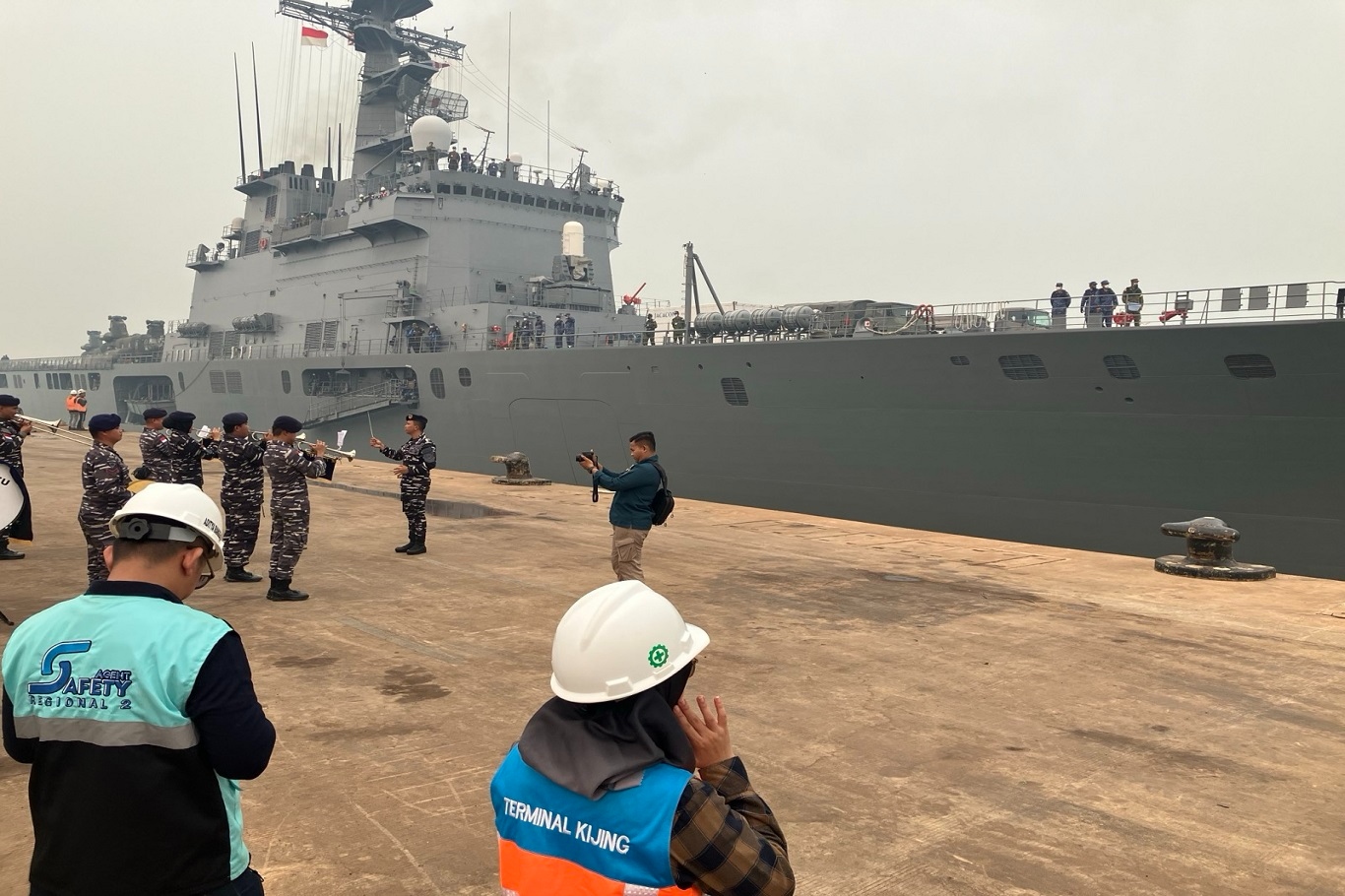
The three CH-47 Chinook helicopters will support Indonesia’s aerial firefighting efforts, particularly in West Kalimantan, one of the areas hardest hit by the fires.
The helicopters conducted trial flights on Thursday and are expected to begin water-bombing operations as soon as the necessary preparations are completed. Indonesian authorities have been coordinating the deployment with Japanese military personnel as they seek to contain fires that have spread across forests and peatlands.
Japan had earlier announced that around 180 personnel would support the helicopter mission, while the JS Kunisaki is carrying additional ship personnel. The vessel departed Japan on August 30 and reached Indonesia after transporting the helicopters and equipment needed for the operation.
Indonesia has also deployed more than 50 aircraft for water-bombing and weather-modification operations. However, authorities have faced difficulties in locating sufficient water sources close to the most severely affected areas.
Malaysia has offered to provide aerial firefighting assistance as the smoke has crossed national borders and affected neighboring countries.
Wildfire pollution creates growing health crisis
The firefighting operation comes as Indonesia faces a rapidly worsening public health crisis caused by toxic smoke.
According to figures presented by Indonesia’s Health Ministry, the number of people suffering from wildfire-related respiratory illnesses rose to 113,336 by September 9, more than doubling from 50,891 cases recorded on September 1. More than 12.5 million people across seven provinces have been exposed to wildfire haze.
The government has distributed nearly 1 million masks, deployed thousands of medical workers and supplied hundreds of oxygen concentrators to areas affected by the pollution.
The smoke has also crossed Indonesia’s borders, affecting air quality in Malaysia and Singapore and reaching as far as the Philippines. In Malaysia, pollution levels have reached emergency thresholds in some areas of Sarawak on Borneo, while schools in parts of Indonesia have been forced to suspend in-person classes.
More than 1.4 million Indonesian students have been affected by school closures or remote learning as authorities attempt to limit children's exposure to hazardous air pollution.
Fire emissions exceed one-third of global total
The scale of the fires has also raised international environmental concerns.
Government data show that around 202,000 hectares of land burned in Indonesia between January and July. Environmental group YKAN estimates that another 600,000 hectares were affected by fires in August alone.
Data from the European Union’s Copernicus climate monitoring service showed that Indonesia’s wildfire emissions reached 19.7 million metric tons of carbon dioxide between September 1 and 7, accounting for more than one-third of global fire emissions during that period.
The emissions were 273 percent above the seasonal average, while the number of recorded hotspots between August 1 and September 8 reached 13,443, compared with 9,454 during the same period in 2015.
The fires have been intensified by an exceptionally strong El Niño weather pattern, which has brought higher temperatures and prolonged drought conditions. Indonesian authorities describe the current wildfire season as the country’s most intense in 11 years.
With fires concentrated particularly in Kalimantan and Sumatra, authorities are continuing ground and aerial firefighting operations while monitoring the movement of hotspots and the spread of smoke.
Japan’s deployment adds to international assistance already being provided to Indonesia, including support from the United States, Russia, Australia, Canada and Ukraine.(ILKHA)
LEGAL WARNING: All rights of the published news, photos and videos are reserved by İlke Haber Ajansı Basın Yayın San. Trade A.Ş. Under no circumstances can all or part of the news, photos and videos be used without a written contract or subscription.
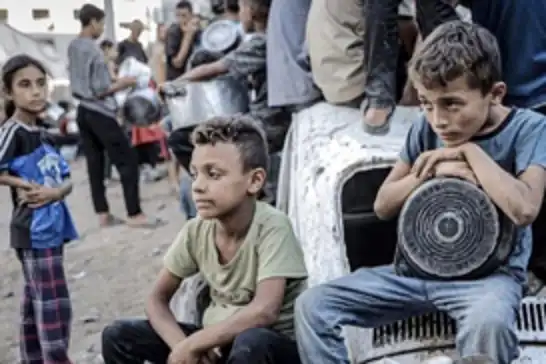
The United Nations has warned that essential supplies in the Gaza Strip are running dangerously low as a funding shortfall and continued restrictions on humanitarian operations prevent aid agencies from adequately replenishing stocks.

Ukrainian President Volodymyr Zelenskyy arrived in Canada on Wednesday as Kyiv seeks additional international support to strengthen its air defenses and prepare for the coming winter amid continuing Russian missile and drone attacks.
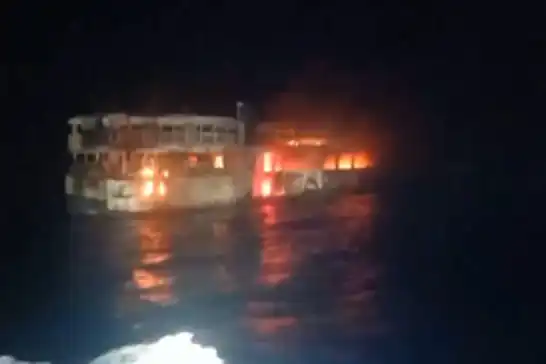
At least five people were killed and 87 remain missing after a fire engulfed a passenger ferry off the western Philippines, triggering a massive search-and-rescue operation involving the coast guard, military units, local fishermen and private vessels.