Oman talks do not mean full reopening of Strait of Hormuz, Iranian FM says
 13 oC
13 oC 
Güneşli

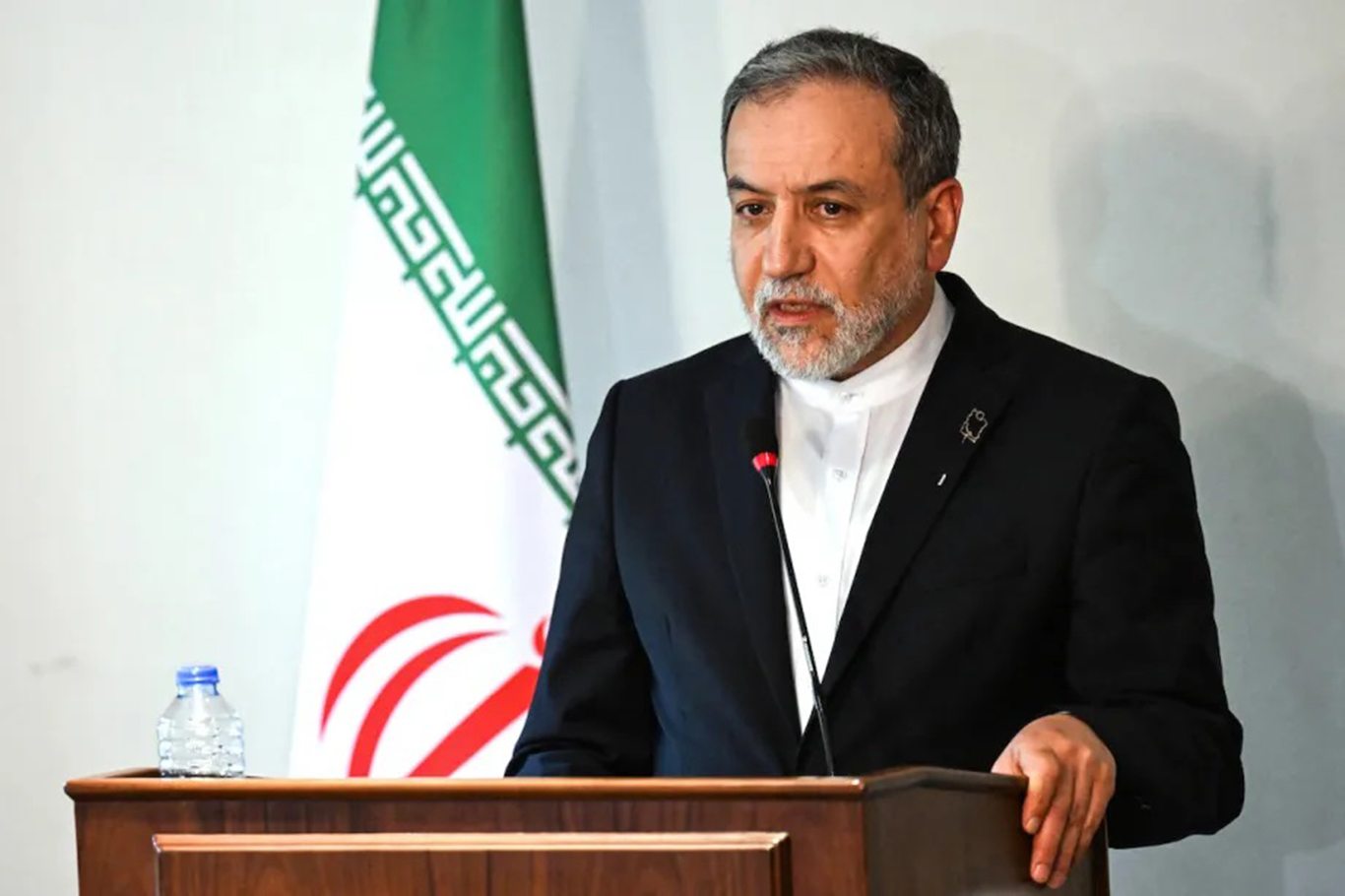
Iranian Foreign Minister Seyed Abbas Araghchi said negotiations in Oman over transit through the Strait of Hormuz do not amount to a full reopening of the strategic waterway.
Speaking on the sidelines of a press conference, Araghchi said the talks are aimed at identifying provisional maritime routes to facilitate transit through the strait.
He explained that the process has involved technical difficulties, with the proposed routes being determined on the basis of maps provided by Iran’s armed forces. According to the foreign minister, the process is now nearing completion and is expected to produce results soon.
Araghchi stressed that the establishment of temporary transit routes should not be interpreted as a general reopening of the Strait of Hormuz.
He said a full reopening of the strategic waterway would depend on the fulfillment of additional conditions, particularly measures to address what Tehran describes as violations of the agreement by the United States.
Referring to Clause 5 of the agreement, Araghchi said the provision explicitly states that Iran would make the necessary arrangements for reopening the Strait of Hormuz.
The Iranian foreign minister also accused US forces of attempting to force the opening of alternative maritime routes despite repeated warnings from Tehran.
Araghchi reiterated Iran’s position that it would not accept violations of the agreement or actions that challenge its authority over the Strait of Hormuz.
“Iran will neither tolerate breaches of the accord nor permit any entity to challenge its control and authority over the Strait of Hormuz,” he said.
The Strait of Hormuz is one of the world’s most strategically important maritime chokepoints, connecting the Persian Gulf with the Gulf of Oman and the Arabian Sea. A significant share of global oil and gas shipments passes through the waterway, making developments surrounding its security closely watched by energy markets and international governments.
Araghchi’s remarks indicate that Tehran considers the current arrangements a limited and temporary measure rather than a full restoration of normal maritime traffic through the strait. Further negotiations and the resolution of outstanding disputes with Washington will determine whether broader reopening measures can be implemented. (ILKHA)
LEGAL WARNING: All rights of the published news, photos and videos are reserved by İlke Haber Ajansı Basın Yayın San. Trade A.Ş. Under no circumstances can all or part of the news, photos and videos be used without a written contract or subscription.
Sheikh Hibatullah Akhundzada, leader of the Islamic Emirate of Afghanistan, has called on Afghan scholars and university officials to play a greater role in strengthening Islamic values, guiding society and supporting the implementation of Sharia.

Ukrainian President Volodymyr Zelensky said Kyiv has reached an agreement with the United States for monthly deliveries of Patriot air defense interceptor missiles, while warning that the quantities expected in 2026 will not be sufficient to meet Ukraine’s needs.
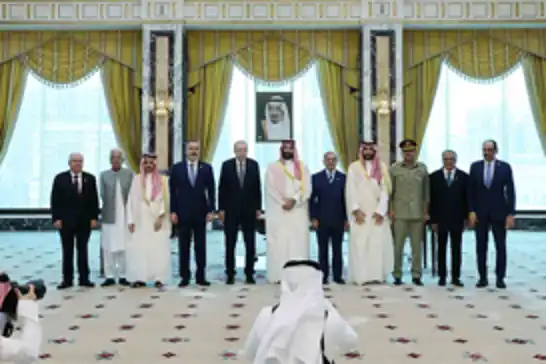
Turkish President Recep Tayyip Erdoğan said the “Makkah Joint Defence Agreement” signed by Türkiye, Saudi Arabia and Pakistan will strengthen defence cooperation among the three countries and contribute to regional security and stability.