Zelensky: Ukraine to receive US patriot missiles every month
 13 oC
13 oC 
Güneşli

Ukrainian President Volodymyr Zelensky said Kyiv has reached an agreement with the United States for monthly deliveries of Patriot air defense interceptor missiles, while warning that the quantities expected in 2026 will not be sufficient to meet Ukraine’s needs.
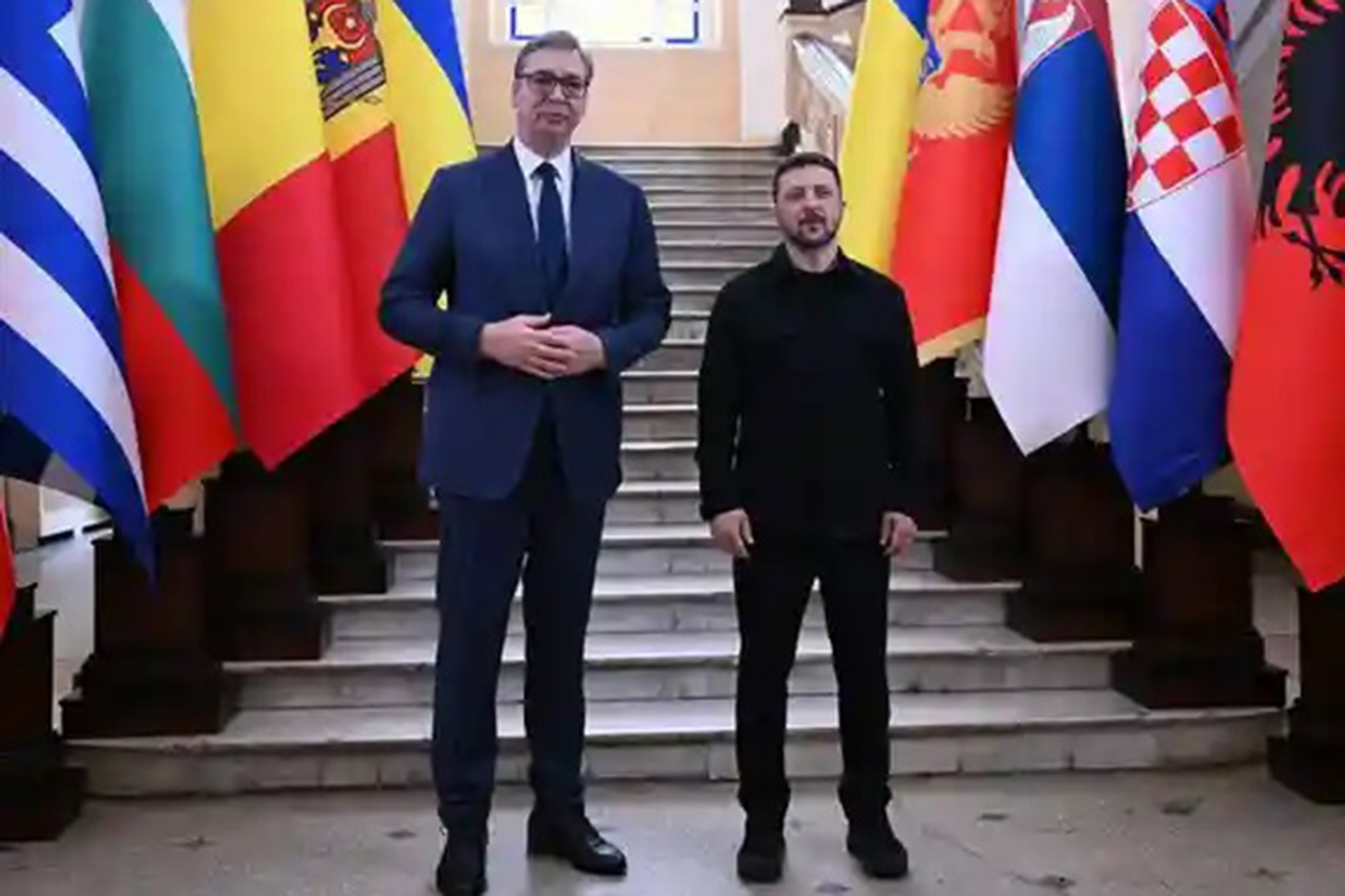
Speaking at a joint press conference with Serbian President Aleksandar Vučić in Belgrade on Saturday, Zelensky said Ukraine would continue receiving Patriot missiles from the US every month but noted that deliveries would be lower than those received in 2025.
“Will they supply us with missiles every month? Yes, we have agreements. Are these missiles enough? No,” Zelensky said.
The Ukrainian president declined to disclose the exact number of interceptors involved, saying the figures could not be made public for security reasons.
“I’m not giving a specific number; I can’t disclose it to the Russians, nor can I reveal it to our partners. There will be fewer of these missiles in 2026. There were more in 2025,” he said.
With US deliveries falling short of Ukraine’s requirements, Zelensky said Kyiv is negotiating with European countries to secure additional Patriot interceptors.
He specifically identified Germany and Poland, along with Scandinavian countries, as potential sources of additional air defense missiles.
“The Germans and Poles can seriously help,” Zelensky said, adding that other countries were providing assistance “little by little.”
In a later Telegram post, Zelensky said the agreements with Washington had been reached under the PURL program, through which Ukraine purchases US-made weapons, particularly air defense systems, using financial contributions from partner countries.
Ukraine’s efforts to increase its supply of Patriot interceptors through domestic production have also encountered obstacles.
Earlier in August, US Ambassador to NATO Matthew Whitaker said Washington would not permit Ukraine to manufacture Patriot interceptor missiles domestically, citing strict US export controls over the technology.
Whitaker said the United States does “not allow anybody but US manufacturers to make those” advanced interceptors.
The position marked a reversal from earlier comments by US President Donald Trump, who had raised the possibility of allowing Ukraine to produce Patriot missiles under a licensing arrangement during a NATO summit in Ankara in July.
Trump subsequently appeared to soften that position during a Cabinet meeting at Camp David later in July, arguing that transferring highly sensitive military technology could carry risks because recipient countries could potentially become adversaries in the future.
The shortage of Patriot interceptors comes as Ukraine continues to regard air defense as one of its most urgent military requirements.
Patriot systems are among the most capable air defense platforms available to Ukraine and are particularly important for defending major cities and critical infrastructure against ballistic and other missile threats.
Zelensky’s comments underline Kyiv’s continued dependence on foreign partners for advanced air defense systems and ammunition, while negotiations with European allies are expected to remain a key part of Ukraine’s efforts to strengthen its defenses through 2026. (ILKHA)
LEGAL WARNING: All rights of the published news, photos and videos are reserved by İlke Haber Ajansı Basın Yayın San. Trade A.Ş. Under no circumstances can all or part of the news, photos and videos be used without a written contract or subscription.
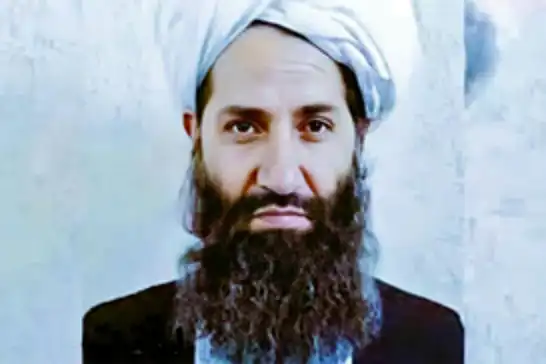
Sheikh Hibatullah Akhundzada, leader of the Islamic Emirate of Afghanistan, has called on Afghan scholars and university officials to play a greater role in strengthening Islamic values, guiding society and supporting the implementation of Sharia.
Iranian Foreign Minister Seyed Abbas Araghchi said negotiations in Oman over transit through the Strait of Hormuz do not amount to a full reopening of the strategic waterway.
Turkish President Recep Tayyip Erdoğan said the “Makkah Joint Defence Agreement” signed by Türkiye, Saudi Arabia and Pakistan will strengthen defence cooperation among the three countries and contribute to regional security and stability.