Pacific nations fail to reach consensus on tougher response to China over missile test
 13 oC
13 oC 
Güneşli

Leaders of the Pacific Islands Forum (PIF) have agreed to express concern over China's recent ballistic missile test in the Pacific but failed to reach a stronger common position against Beijing, highlighting divisions among island nations as major powers compete for influence in the region.
At the PIF leaders' summit held in Palau, member states adopted a joint statement calling for greater transparency and advance notification of future missile tests. The statement said countries conducting intercontinental ballistic missile (ICBM) tests should provide at least 24 hours' prior notice in line with international practices. However, China was not directly named in the statement, and the wording was limited to expressing "concern" rather than issuing a formal condemnation.
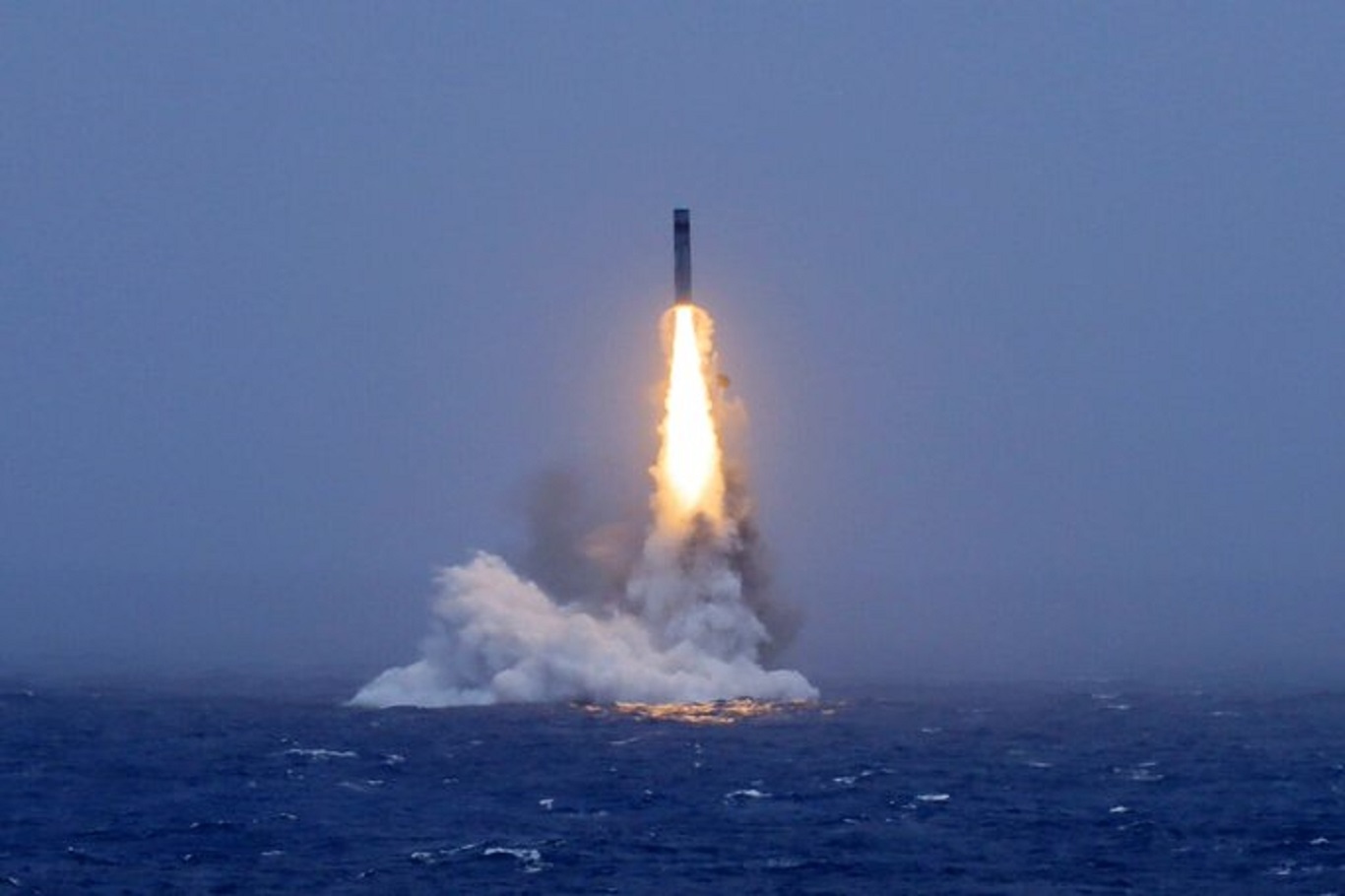
The issue followed China's July ballistic missile test, which reportedly passed over several Pacific island nations without adequate prior warning. Palau President Surangel Whipps Jr., who hosted the summit, had pushed for a stronger response, arguing that countries conducting missile tests should respect regional security concerns and the sovereignty of Pacific nations.
Divisions among Pacific countries over China
The final statement exposed differences among Pacific nations regarding their approach toward Beijing. During a closed-door session, Nauru dissented from the section addressing the missile test, preventing a fully unified position. Kiribati, which has developed closer relations with China in recent years, did not participate in the final retreat session after its leader was absent from the summit.
New Zealand Prime Minister Christopher Luxon played down the divisions, saying Nauru's objection and Kiribati's absence did not prevent the forum from presenting a regional position. He argued that Pacific countries had still managed to deliver a collective message on missile testing and regional security.
The disagreement reflects the increasingly complex diplomatic choices facing Pacific island nations. While some governments are concerned about China's expanding military and strategic presence, others maintain close economic and diplomatic ties with Beijing and prefer a more balanced approach.
China-Taiwan rivalry adds to regional tensions
The summit also took place amid wider tensions between China and Taiwan. Beijing objected to Taiwan's participation in forum-related events, while Palau — one of the few Pacific nations that maintains official diplomatic ties with Taiwan — continued to support Taipei's involvement.
Nauru's decision in 2024 to end diplomatic relations with Taiwan and establish ties with China marked a significant shift in Beijing's efforts to expand its influence in the Pacific. In contrast, Palau remains among the countries that continue to recognize Taiwan.
The differing positions within the forum demonstrate that Pacific countries are not approaching great-power competition from a single perspective. Many island nations seek to maintain economic cooperation with China while also strengthening security partnerships with countries such as the United States, Australia and New Zealand.
Beijing rejects concerns over missile test
China defended its position following the summit discussions. Chinese Foreign Ministry spokesperson Guo Jiakun said Beijing follows a path of peaceful development, maintains a defensive national defense policy and does not pursue military expansion.
Guo said China was ready to continue cooperation with Pacific island countries and contribute to regional peace, stability, development and prosperity.
The inability of Pacific leaders to agree on a tougher joint response to China's missile test shows the challenges facing the region as countries attempt to balance security concerns with economic and diplomatic interests. While the forum reached agreement on greater transparency in missile testing, the debate revealed growing differences over how Pacific nations should respond to rising geopolitical competition.(ILKHA)
LEGAL WARNING: All rights of the published news, photos and videos are reserved by İlke Haber Ajansı Basın Yayın San. Trade A.Ş. Under no circumstances can all or part of the news, photos and videos be used without a written contract or subscription.

Israeli occupation police shot and killed a Palestinian near Damascus Gate in occupied Jerusalem early Friday, according to local sources, before imposing heightened security restrictions around the Old City and preventing Palestinians from reaching Al-Aqsa Mosque for dawn prayers.

Afghanistan is steadily expanding its diplomatic relations across the region and making progress toward broader engagement with European countries, Foreign Minister Amir Khan Muttaqi said.

A court in the Philippine city of Quezon has issued an arrest warrant for Vice President Sara Duterte-Carpio over allegations that she made death threats against President Ferdinand Marcos Jr., First Lady Liza Araneta-Marcos, and former House Speaker Martin Romualdez.