Senator Chris Murphy says the United States is losing the war in Iran
 13 oC
13 oC 
Güneşli

A senior U.S. lawmaker has acknowledged mounting difficulties in Washington’s military campaign against Iran, warning that the conflict is not unfolding as American leaders had anticipated.
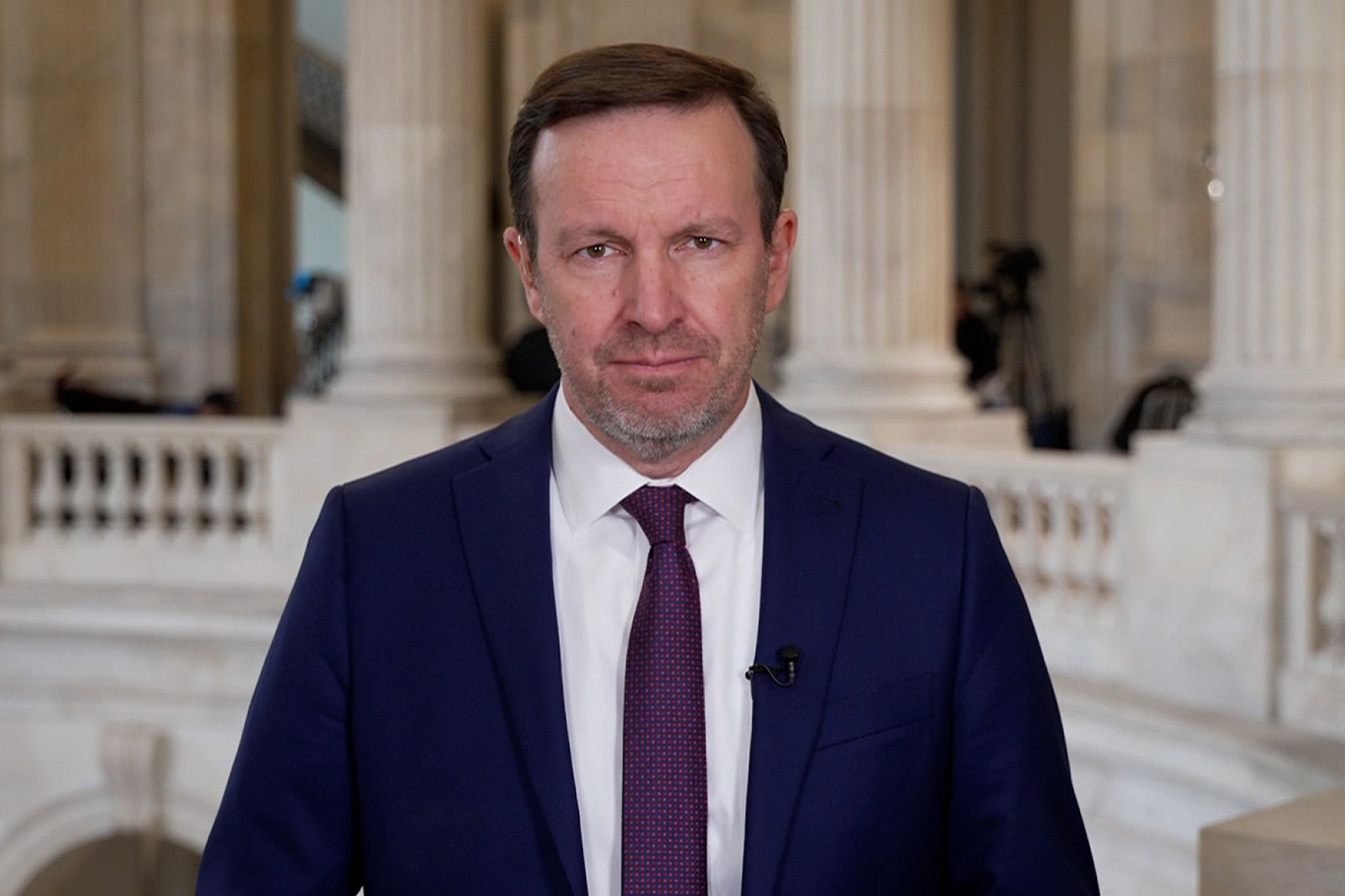
In a statement following a national address by Donald Trump, Senator Chris Murphy criticized the administration’s portrayal of the war, saying it was detached from reality.
“We are losing this war,” Murphy said, arguing that U.S. forces have been unable to eliminate Iran’s missile and drone capabilities or halt its broader military program. He added that the conflict has come at a significant financial and human cost while undermining Washington’s global standing.
Iran Maintains Strategic Capabilities
Despite weeks of sustained U.S. and Israeli strikes, recent assessments indicate that Iran retains substantial offensive capacity. Iranian forces have continued to deploy missile and drone attacks targeting U.S. positions and Israeli-linked assets across the region.
Military analysts note that Iran’s ability to sustain operations reflects years of preparation, including the development of underground facilities, mobile launch systems, and decentralized command structures designed to withstand prolonged conflict.
Escalation Across Key Fronts
In recent days, Iranian forces have intensified operations against strategic targets, including reported strikes on military installations and logistical hubs linked to U.S. and Israeli operations. Attacks have also extended to maritime routes, reinforcing Iran’s capacity to threaten shipping lanes near the Strait of Hormuz.
Regional observers say these developments have elevated Iran’s leverage, particularly as disruptions to shipping traffic increase pressure on global energy markets.
Growing Concerns in Washington
Murphy’s remarks reflect broader unease among some U.S. officials over the trajectory of the conflict. He warned that the war is draining resources while failing to achieve decisive results, and cautioned that continued escalation could further destabilize the region.
“We are spending billions we don’t have and losing American lives in a war that is destabilizing the world,” he said.
Shifting Balance on the Ground
While U.S. officials have emphasized reductions in the volume of Iranian attacks, critics argue that the persistence of strikes demonstrates that Iran’s core capabilities remain intact. The country’s continued ability to project power across multiple fronts has challenged expectations of a swift military outcome.
As the conflict enters a prolonged phase, the gap between official narratives and on-the-ground realities appears to be widening, with growing acknowledgment—even within U.S. political circles—that Iran remains a formidable force in the region. (ILKHA)
LEGAL WARNING: All rights of the published news, photos and videos are reserved by İlke Haber Ajansı Basın Yayın San. Trade A.Ş. Under no circumstances can all or part of the news, photos and videos be used without a written contract or subscription.
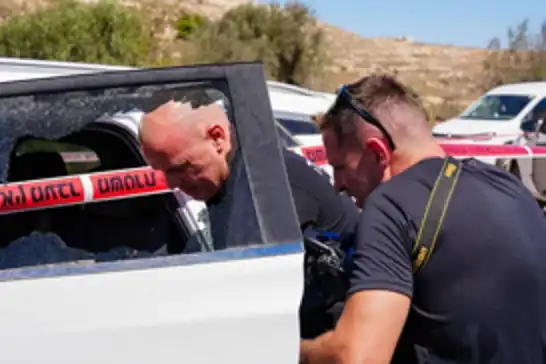
An Israeli settler was killed and several others were wounded in a shooting near the illegal Halamish settlement, northwest of Ramallah in the occupied West Bank, amid escalating Israeli military raids, settler violence and restrictions on Palestinian movement across the territory.

Iran will keep the Strait of Hormuz closed until its conditions are fulfilled and the United States implements its commitments, Iranian Parliament Speaker Mohammad Bagher Ghalibaf said Sunday, reaffirmingn’s dete Tehrarmination to combine military resistance with diplomacy.

Three women have been killed in separate suspected domestic violence-related incidents across Australia's New South Wales state within 24 hours, with men charged over two of the deaths and another man facing a murder charge in the third case.
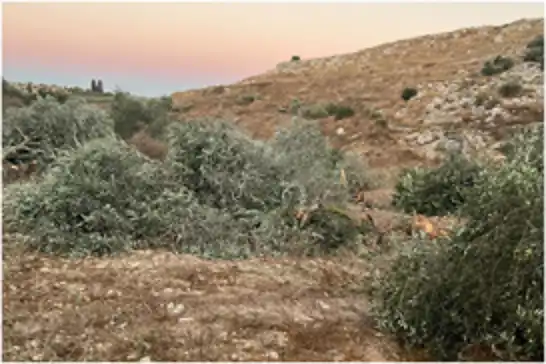
Israeli settlers uprooted and damaged dozens of Palestinian-owned olive trees on Sunday in the town of Ni'lin, west of Ramallah, according to local sources.