Sheikh Ikrima Sabri warns of expanding Israeli settlement plans around Al-Aqsa Mosque
 13 oC
13 oC 
Güneşli

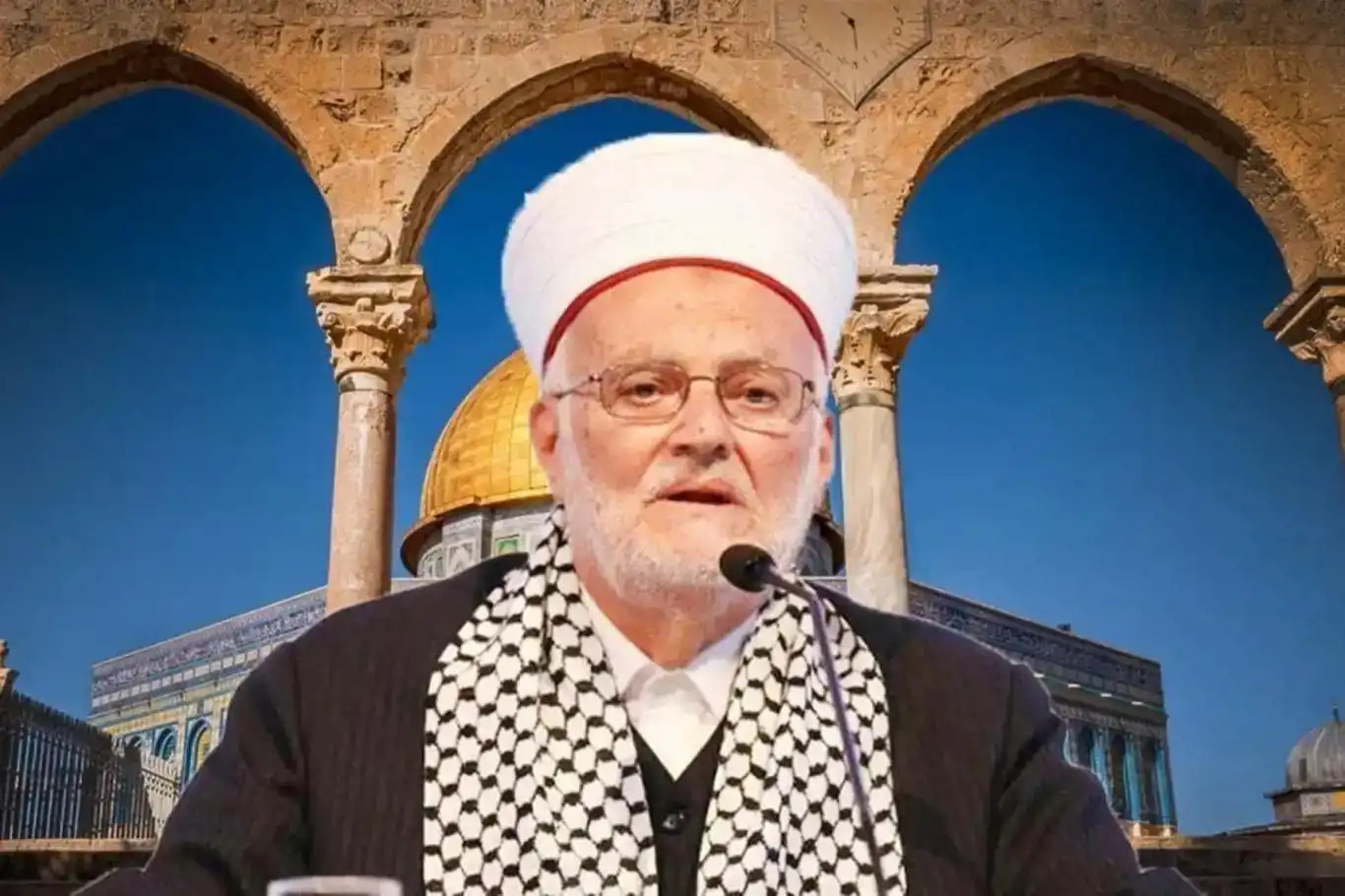
Sheikh Ikrima Sabri, the preacher of Al-Aqsa Mosque and head of the Higher Islamic Council in Jerusalem, has warned that Israeli settlement expansion in occupied East Jerusalem is accelerating in Palestinian neighborhoods surrounding the holy mosque, threatening to alter the city’s demographic, cultural and historical character.
In press statements, Sabri said Israeli settlement plans are increasingly targeting the neighborhoods of Silwan, Batn al-Hawa, al-Bustan and Wadi Hilweh, forming what he described as a rapidly expanding settlement belt around Al-Aqsa Mosque.
According to Sabri, the plans are aimed at emptying Palestinian communities closest to the Old City of Jerusalem and replacing them with a settlement reality rooted in biblical narratives.
He warned that the developments go beyond individual property disputes and represent a broader effort to reshape the area surrounding Al-Aqsa Mosque.
Sabri said Israeli authorities are seeking to weaken the Palestinian presence near the walls of Jerusalem’s Old City through a combination of home demolitions, eviction orders and restrictions on Palestinian construction.
At the same time, he said settler organizations are being allowed to take control of Palestinian homes and land.
He argued that these measures are paving the way for archaeological and tourism projects linked to the so-called “City of David,” which Palestinians say are being used to advance settlement expansion at the expense of longstanding Palestinian communities.
“The struggle in Jerusalem is not limited to individual homes or properties,” Sabri said. “It concerns the complete reshaping of the city’s historical and cultural landscape.”
He warned that Palestinian neighborhoods risk being transformed into isolated enclaves surrounded by Israeli settlements if current policies continue.
Sabri criticized the international community for treating demolition and planning decisions as isolated municipal issues rather than part of a wider pattern.
He said such an approach allows Israel to continue what he described as a systematic transformation of the area surrounding Al-Aqsa Mosque without meaningful international pressure.
The cleric called for urgent action by Arab, Islamic and international institutions to halt demolitions and evictions and to prevent Al-Aqsa Mosque from being separated from its Palestinian surroundings.
Sabri praised the steadfastness of Palestinians living in Silwan, al-Bustan and Batn al-Hawa, describing them as the first line of defense for Al-Aqsa Mosque.
He said their continued presence in the neighborhoods is essential to preserving the Palestinian character of Jerusalem and protecting the holy site from further isolation.
The warning comes amid a documented increase in demolitions and eviction orders affecting Palestinian residents of occupied East Jerusalem.
Palestinian and United Nations reports have recorded a sharp rise in homes being demolished on the grounds that they lack Israeli-issued building permits, which Palestinians say are extremely difficult to obtain.
The reports have also noted an increase in so-called self-demolitions, in which Palestinian families are forced to demolish their own homes to avoid paying substantial fines imposed by Israeli authorities.
Palestinian leaders and rights advocates say the cumulative effect of demolitions, evictions and settlement expansion is steadily undermining the Palestinian presence in occupied East Jerusalem and threatening the historical identity of the city, particularly the areas surrounding Al-Aqsa Mosque.
Sabri concluded by urging the international community to move beyond statements of concern and take concrete steps to protect Palestinian residents and safeguard the historical and religious character of Jerusalem. (ILKHA)
LEGAL WARNING: All rights of the published news, photos and videos are reserved by İlke Haber Ajansı Basın Yayın San. Trade A.Ş. Under no circumstances can all or part of the news, photos and videos be used without a written contract or subscription.
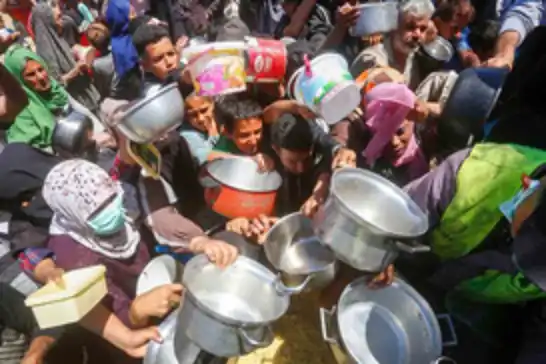
Israel’s ongoing siege and restrictions on the Gaza Strip have severely crippled the enclave’s transport and aid-distribution system, threatening to further deepen hunger and humanitarian suffering, according to the Euro-Mediterranean Human Rights Monitor (Euro-Med Monitor).
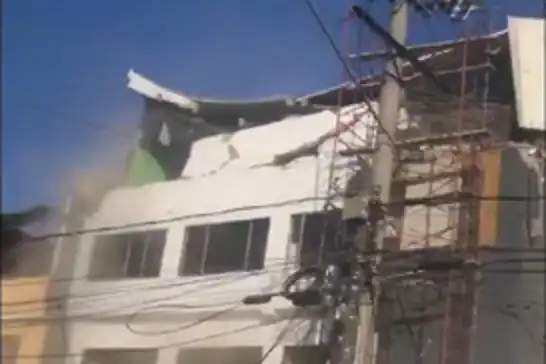
A powerful magnitude 7.4 earthquake struck western Colombia on Monday, shaking large parts of the country and sending residents rushing out of buildings.
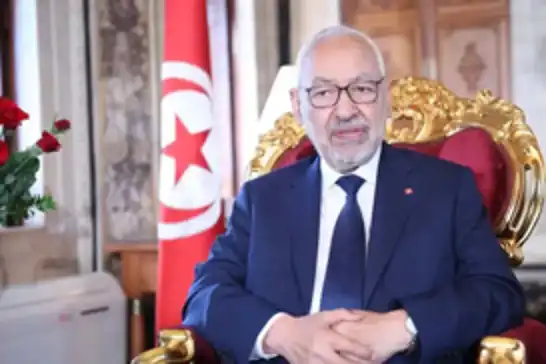
Tunisia’s Ennahda movement leader Rached Ghannouchi has begun a hunger and medication strike to protest the “complete isolation” imposed on him while receiving treatment at a hospital.