Tunisia’s Ennahda leader Ghannouchi begins hunger and medication strike to protest isolation
 13 oC
13 oC 
Güneşli

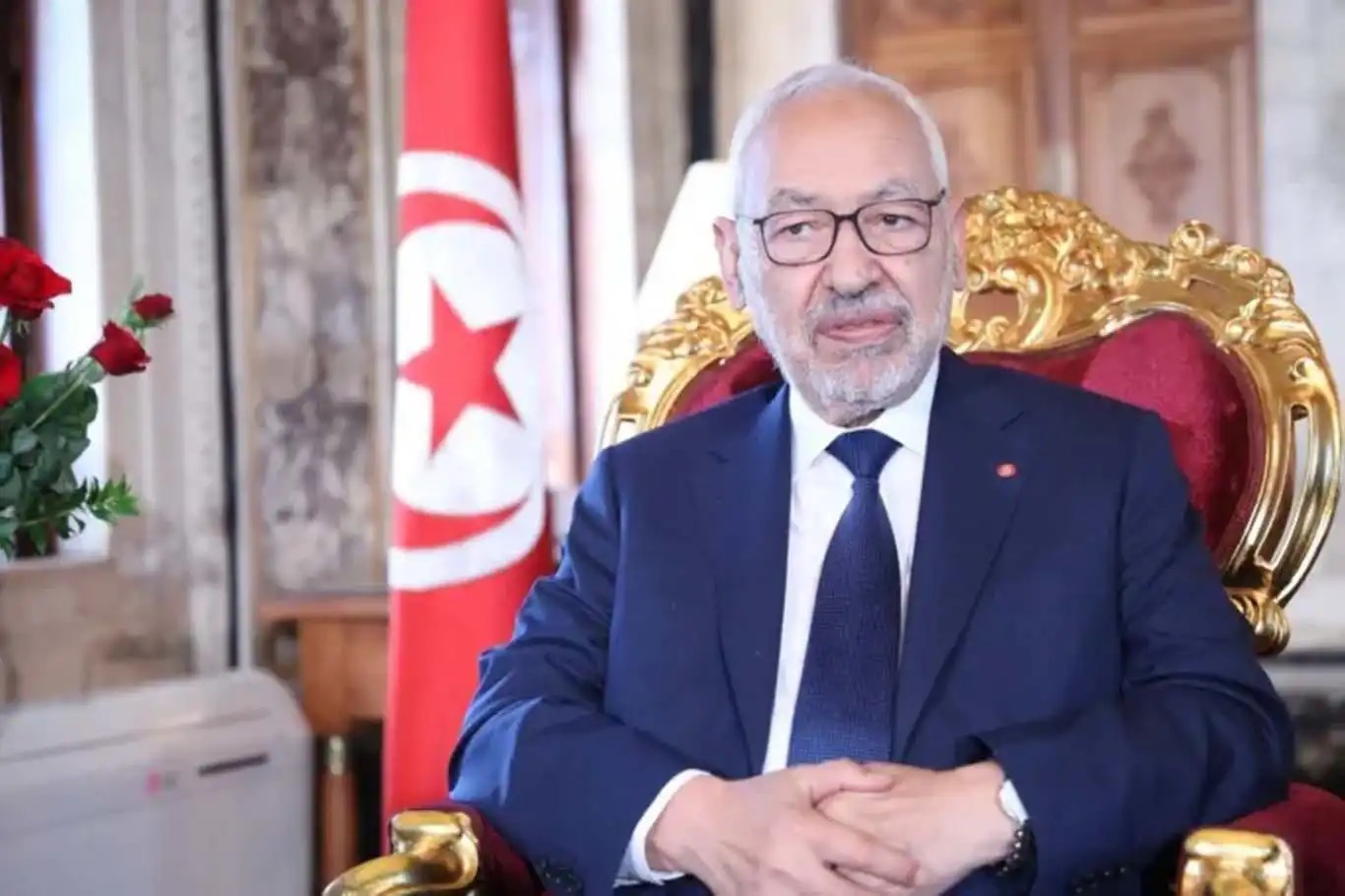
Tunisia’s Ennahda movement leader Rached Ghannouchi has begun a hunger and medication strike to protest the “complete isolation” imposed on him while receiving treatment at a hospital.
Ghannouchi, 85, was transferred to a hospital on July 29, according to a statement issued Monday by his defense team and published on his Facebook page.
The defense team said that since his transfer, Ghannouchi had been placed under what it called total isolation, with his lawyers and family allegedly prevented from visiting him, communicating with him or receiving information about his health.
According to the statement, the defense team learned that Ghannouchi began refusing food and medication on August 6 in protest against his isolation and the deprivation of his most basic rights.
The lawyers warned that the measures imposed on Ghannouchi amounted to “inhuman abuse” and constituted a serious violation of his fundamental rights and physical safety, particularly given his reported health condition.
They held Tunisian authorities fully responsible for any deterioration in his health and called for his lawyers and family to be granted immediate access to him.
There was no immediate response from Tunisian authorities to the allegations.
Ghannouchi’s case has become another flashpoint in the deepening political crisis that has engulfed Tunisia since President Kais Saied dramatically expanded his powers.
Saied dissolved parliament in 2021 and subsequently pushed through sweeping constitutional and political changes that significantly weakened the country’s democratic checks and balances.
Critics have accused the president of dismantling institutions that emerged from Tunisia’s 2011 revolution and using the judiciary and security apparatus to silence political opponents.
The authorities, however, reject accusations of political persecution and maintain that those prosecuted are facing legitimate criminal charges.
Ghannouchi, who previously served as speaker of Tunisia’s parliament, has been imprisoned since his arrest on April 17, 2023.
He was initially detained in a case involving remarks attributed to him and faced charges related to alleged incitement against state security. He was subsequently handed prison sentences in several cases.
Ghannouchi and his supporters have consistently rejected the accusations, describing the prosecutions as politically motivated.
His detention has drawn sustained criticism from opposition figures and rights advocates, who argue that his treatment is part of a broader campaign by the Saied government against political opponents.
Tunisia was once widely regarded as the principal democratic success story to emerge from the Arab Spring. The country adopted a new constitution, held competitive elections and established political institutions following the 2011 uprising that ended the rule of longtime President Zine El Abidine Ben Ali.
That trajectory changed sharply after Saied’s July 2021 power grab, when he suspended parliament, dismissed the government and assumed sweeping executive authority.
Since then, opposition politicians, journalists, activists and civil society figures have faced arrests, prosecutions and other restrictions, prompting mounting concern over the erosion of political freedoms.
Saied has defended his actions as necessary to combat corruption and restore state authority, while insisting that Tunisia’s judicial system operates independently.
Critics contend, however, that the concentration of power in the presidency has steadily dismantled the democratic safeguards established after the revolution.
The reported hunger and medication strike by Ghannouchi now places renewed attention on the treatment of Tunisia’s political prisoners and raises fresh questions about the government’s commitment to basic rights, due process and political pluralism.
For Ghannouchi’s defense team, allowing an elderly political leader in fragile health to remain isolated from his lawyers and family represents not only a threat to his wellbeing but another troubling chapter in Tunisia’s continuing democratic backslide. (ILKHA)
LEGAL WARNING: All rights of the published news, photos and videos are reserved by İlke Haber Ajansı Basın Yayın San. Trade A.Ş. Under no circumstances can all or part of the news, photos and videos be used without a written contract or subscription.
Israel’s ongoing siege and restrictions on the Gaza Strip have severely crippled the enclave’s transport and aid-distribution system, threatening to further deepen hunger and humanitarian suffering, according to the Euro-Mediterranean Human Rights Monitor (Euro-Med Monitor).
A powerful magnitude 7.4 earthquake struck western Colombia on Monday, shaking large parts of the country and sending residents rushing out of buildings.
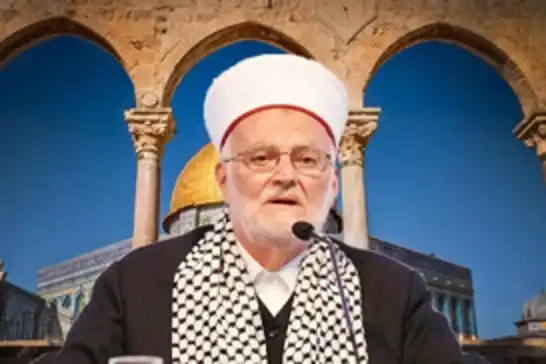
Sheikh Ikrima Sabri, the preacher of Al-Aqsa Mosque and head of the Higher Islamic Council in Jerusalem, has warned that Israeli settlement expansion in occupied East Jerusalem is accelerating in Palestinian neighborhoods surrounding the holy mosque, threatening to alter the city’s demographic, cultural and historical character.