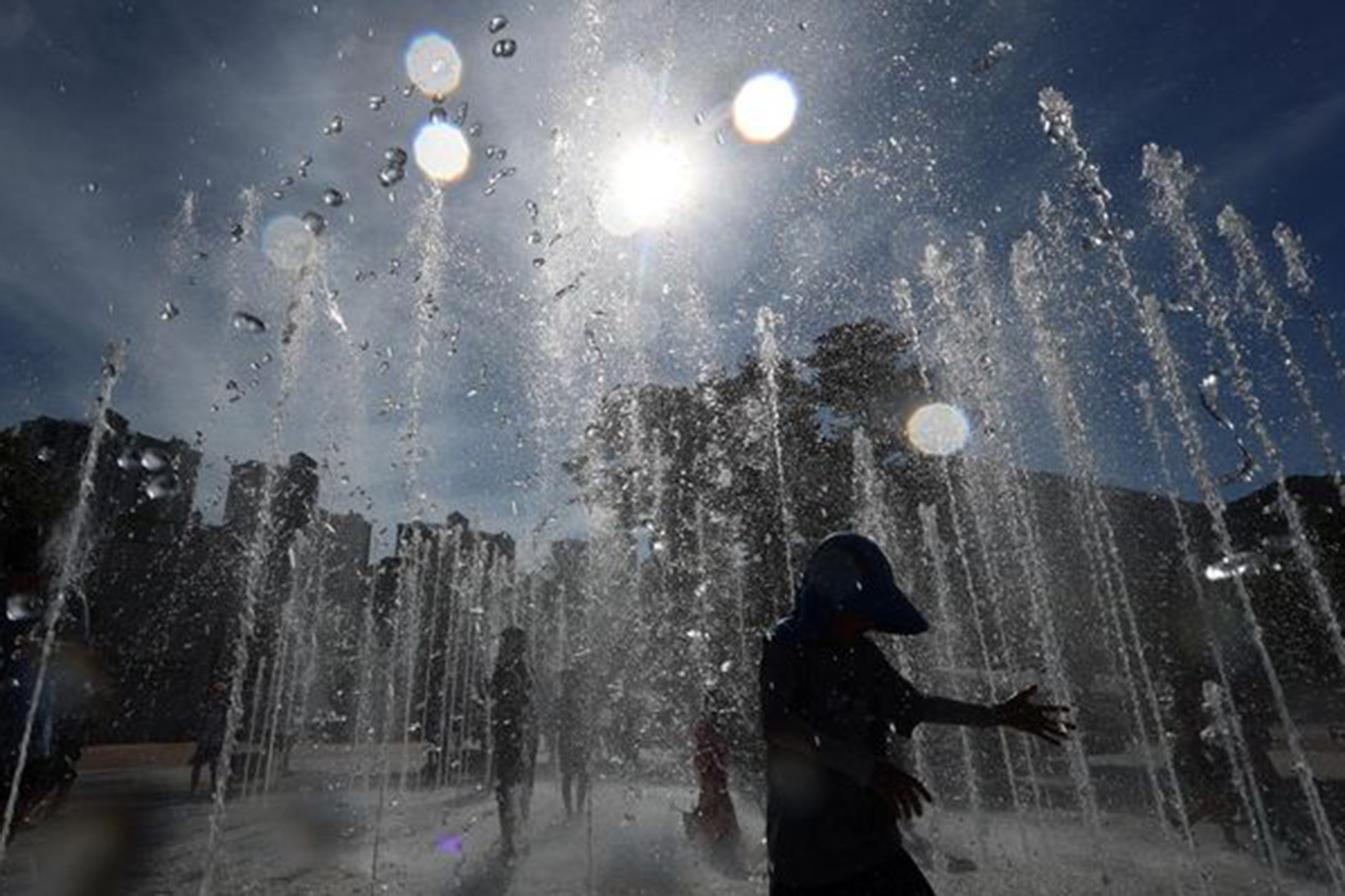
South Korea records its highest-ever temperature of 42.5°C amid historic heatwave
 13 oC
13 oC 
Güneşli

South Korea recorded its highest temperature since modern weather observations began more than a century ago on Sunday, as a severe heatwave continued to grip the country, prompting authorities to issue emergency warnings and urge residents to avoid all outdoor activities.
According to the Korea Meteorological Administration (KMA), the southeastern city of Yangsan registered a temperature of 42.5 degrees Celsius at 1:26 p.m. local time (0426 GMT), setting a new national temperature record.
Yangsan has been at the center of the prolonged heatwave, with temperatures exceeding 40°C for a fifth consecutive day. Other major cities, including Daegu and Busan, also experienced sweltering conditions, with daytime temperatures climbing into the upper 30s.
The unprecedented heat has driven thousands of residents into air-conditioned shopping malls, cafes, and public cooling centers in an effort to escape the dangerous conditions.
More than 20 regions across South Korea were placed under emergency heatwave alerts on Sunday under a warning system introduced this year to better respond to increasingly frequent extreme heat events.
The highest-level alert is issued when the perceived temperature is forecast to reach 38°C or the actual air temperature is expected to hit 39°C.
In its latest advisory, the Korea Meteorological Administration urged residents to avoid any unnecessary outdoor exposure.
"Immediately stop all outdoor activities," the agency said.
It also warned that buildings without air conditioning could become life-threatening during the extreme heat, urging people to move to designated cooling centers or shaded areas, drink plenty of water, and rest frequently.
Meteorological data show that South Korea has experienced a dramatic increase in extreme heat over recent decades.
According to KMA statistics, the average number of annual heatwave days has risen to 19 over the past five years, compared with just eight days annually during the 1970s. In South Korea, a heatwave day is officially defined as one in which the maximum temperature reaches at least 33°C.
Health officials have warned that prolonged exposure to the current temperatures significantly increases the risk of heatstroke, dehydration, and other heat-related illnesses, particularly among older adults, children, and people with underlying medical conditions.
The record-breaking temperatures have also disrupted sporting events and other outdoor activities.
The Korea Baseball Organization (KBO) canceled a professional baseball game in Changwon after temperatures in the city reached 39.5°C, marking the second consecutive cancellation at the venue due to dangerous weather.
"The decision was made with the safety and health of spectators and players as the top priority, as a severe heatwave warning remains in effect for the Changwon area," the KBO said in a statement.
Authorities have also advised employers to adjust outdoor work schedules, while schools and local governments have expanded access to public cooling shelters as electricity demand for air conditioning reached seasonal highs.
Scientists say the increasing frequency and intensity of heatwaves worldwide are closely linked to human-induced climate change, which is driving rising global temperatures and more frequent extreme weather events.
The current conditions have also been intensified by the return of El Niño, a naturally occurring climate pattern characterized by warmer-than-average sea surface temperatures in the Pacific Ocean that can influence weather patterns around the world.
South Korea's record heat comes as many other regions continue to endure extreme summer temperatures.
Across Europe, prolonged heatwaves have pushed temperatures above 40°C in several southern countries, fueling wildfires, straining healthcare systems, and prompting authorities to issue health warnings and restrict outdoor activities. Italian officials have also placed nearly all of the country's major cities under the highest heat alert as the intense weather continues.
Climate experts warn that unless global greenhouse gas emissions are significantly reduced, record-breaking heatwaves are expected to become more common, posing growing risks to public health, infrastructure, agriculture, and energy systems worldwide. (ILKHA)
LEGAL WARNING: All rights of the published news, photos and videos are reserved by İlke Haber Ajansı Basın Yayın San. Trade A.Ş. Under no circumstances can all or part of the news, photos and videos be used without a written contract or subscription.

Armenian Prime Minister Nikol Pashinyan announced the resignation of his government on Saturday in line with the country's constitutional requirements, following the inaugural session of the newly elected National Assembly.
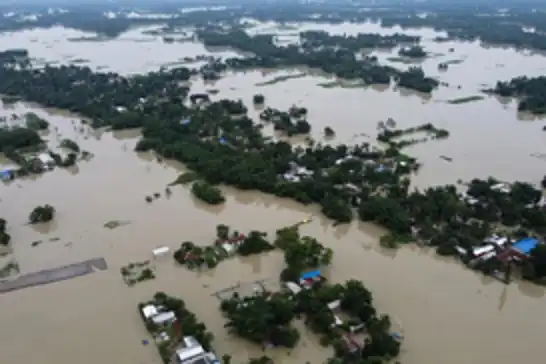
The death toll from the devastating floods sweeping India's northeastern state of Assam has risen to 82, with two people still missing, as authorities continue large-scale rescue and relief operations across the flood-ravaged region.

Three people were killed and seven others were injured, several of them critically, after a mass shooting at an In-N-Out Burger restaurant in the southern Idaho city of Twin Falls on Saturday afternoon, authorities said.