Trump announces 25% tariff on countries trading with Iran
 13 oC
13 oC 
Güneşli

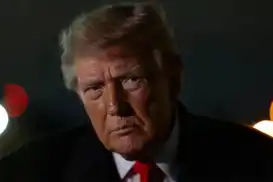
US President Donald Trump announced on Monday a sweeping new measure targeting countries that continue to conduct business with Iran, declaring a 25 percent tariff on any nation maintaining economic ties with Tehran.
The move marks a sharp escalation in Washington’s pressure campaign as rights groups warn of a mounting death toll from Iran’s ongoing protest crackdown.
In a social media post, Trump said the new tariffs would “immediately” apply to countries trading with Iran while also maintaining commercial relations with the United States, calling the decision “final and conclusive.” He did not specify which nations would be directly impacted, but Iran’s major economic partners include China, Turkey, the United Arab Emirates, and Iraq, according to Trading Economics.
The announcement comes as Iran grapples with more than two weeks of widespread demonstrations triggered by severe economic hardships and grievances that have evolved into a significant challenge to the ruling system established after the 1979 Islamic Revolution. Despite a near-total internet shutdown and the deployment of security forces, protests have continued across multiple provinces.
Iranian authorities have accused foreign actors of fueling the unrest and have staged mass pro-government rallies in response. Meanwhile, human rights organizations warn that communication blackouts are preventing accurate assessments of casualties and abuses.
The Norway-based Iran Human Rights (IHR) organization reported it had confirmed 648 protest-related deaths, including nine minors, though it believes the actual toll may be far higher, citing unverified estimates of more than 6,000 fatalities. The group also estimates that around 10,000 people have been arrested. IHR director Mahmood Amiry-Moghaddam urged the international community to protect civilians, warning of “mass killing” risks.
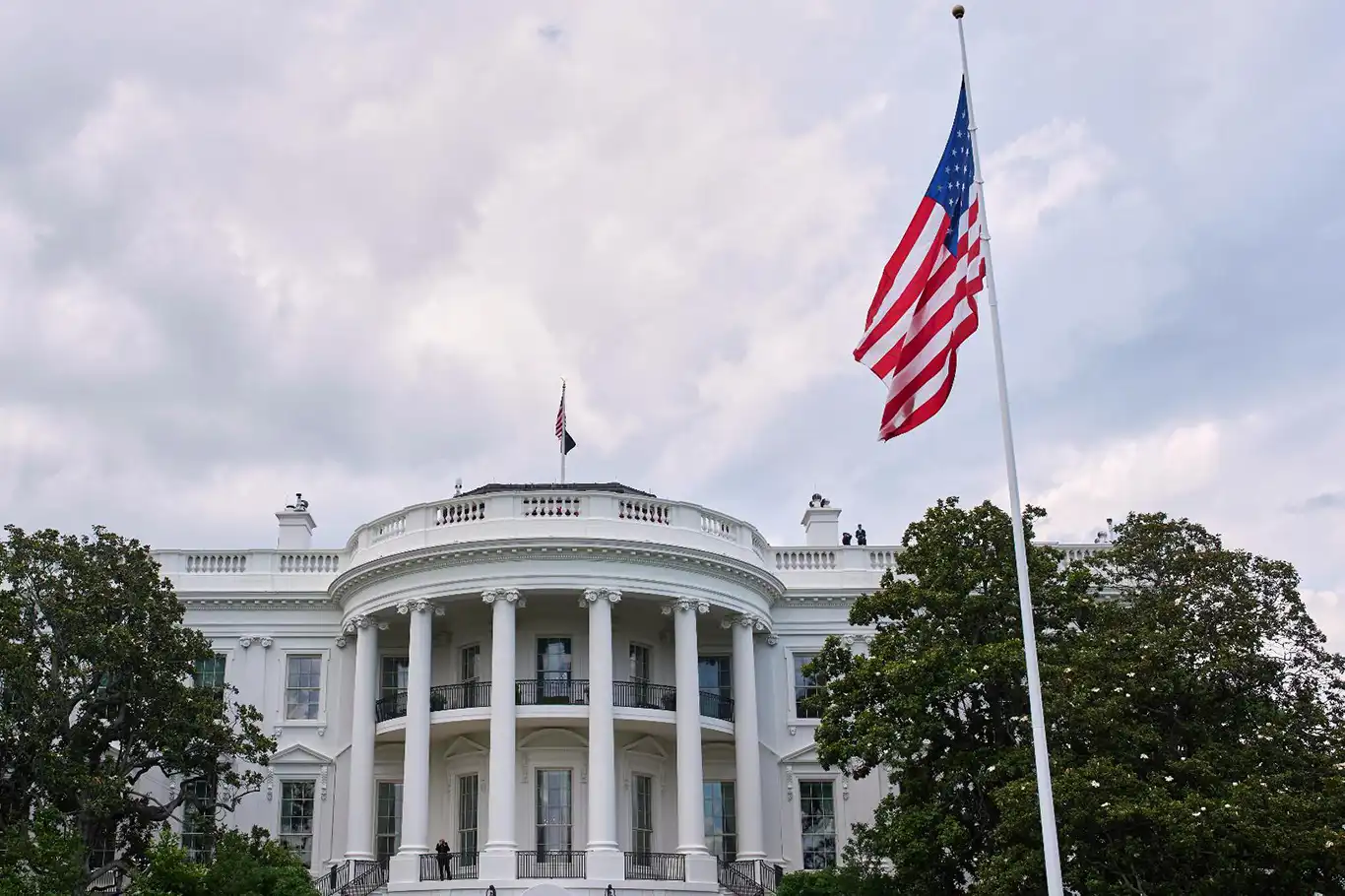
The White House reinforced its tough stance on Iran, saying Trump remains willing to use military force if necessary, though it insists diplomacy remains the preferred route. At the same time, Iran’s leadership has projected confidence, highlighting large state-backed demonstrations as evidence that the protest movement is losing momentum.
Supreme Leader Ayatollah Ali Khamenei praised pro-government rallies and accused foreign enemies of attempting to destabilize the country through domestic proxies. Senior officials, including parliament speaker Mohammad Bagher Ghalibaf, described Iran as being engaged in a “four-front war,” including economic, psychological, and military confrontation.
Tehran has claimed security forces have also suffered fatalities, declaring three days of mourning for deceased personnel. Iranian officials continue to assert that stability is returning and that demonstrations are diminishing.
International reactions remain divided. The European Union announced it is considering new sanctions in response to the repression, while the European Parliament banned Iranian diplomats from its premises. French President Emmanuel Macron condemned what he called “state violence” against peaceful protesters. Russia, meanwhile, criticized what it described as foreign interference in Iran’s domestic affairs.
As tensions escalate both inside Iran and internationally, Trump’s tariff threat adds another layer of geopolitical and economic uncertainty, potentially reshaping global trade dynamics while increasing pressure on Tehran amid a volatile and deadly internal crisis. (ILKHA)
LEGAL WARNING: All rights of the published news, photos and videos are reserved by İlke Haber Ajansı Basın Yayın San. Trade A.Ş. Under no circumstances can all or part of the news, photos and videos be used without a written contract or subscription.
Russian attacks across Ukraine killed at least nine people and injured 56 others over the past 24 hours, as Moscow launched a large-scale combined missile and drone assault targeting Kyiv and several other regions, Ukrainian authorities said on Oct. 22.
Hamas spokesperson Hazem Qassem accused the Board of Peace and its High Representative for Gaza, Nickolay Mladenov, of moving from failing to stop Israel's ceasefire violations to actively providing justification for the continuation of the war in the Gaza Strip.
Several Australian government websites, including the Australian Cyber Security Centre (ACSC), have been affected following the discovery of two critical security vulnerabilities in the widely used PHP programming language, prompting authorities to issue urgent warnings and recommend immediate security updates.
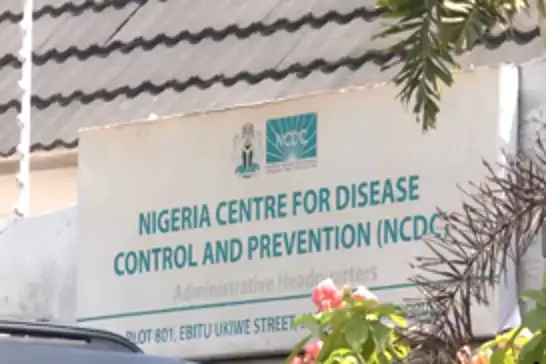
The Africa Centres for Disease Control and Prevention (Africa CDC) has convened an extraordinary virtual meeting of African health ministers for 28 October after Nigeria confirmed its first Ebola case, as the outbreak continues to spread across multiple regions of the continent and raises concerns over cross-border transmission.