Trump escalates economic war on Iran as Tehran defies US pressure
 13 oC
13 oC 
Güneşli

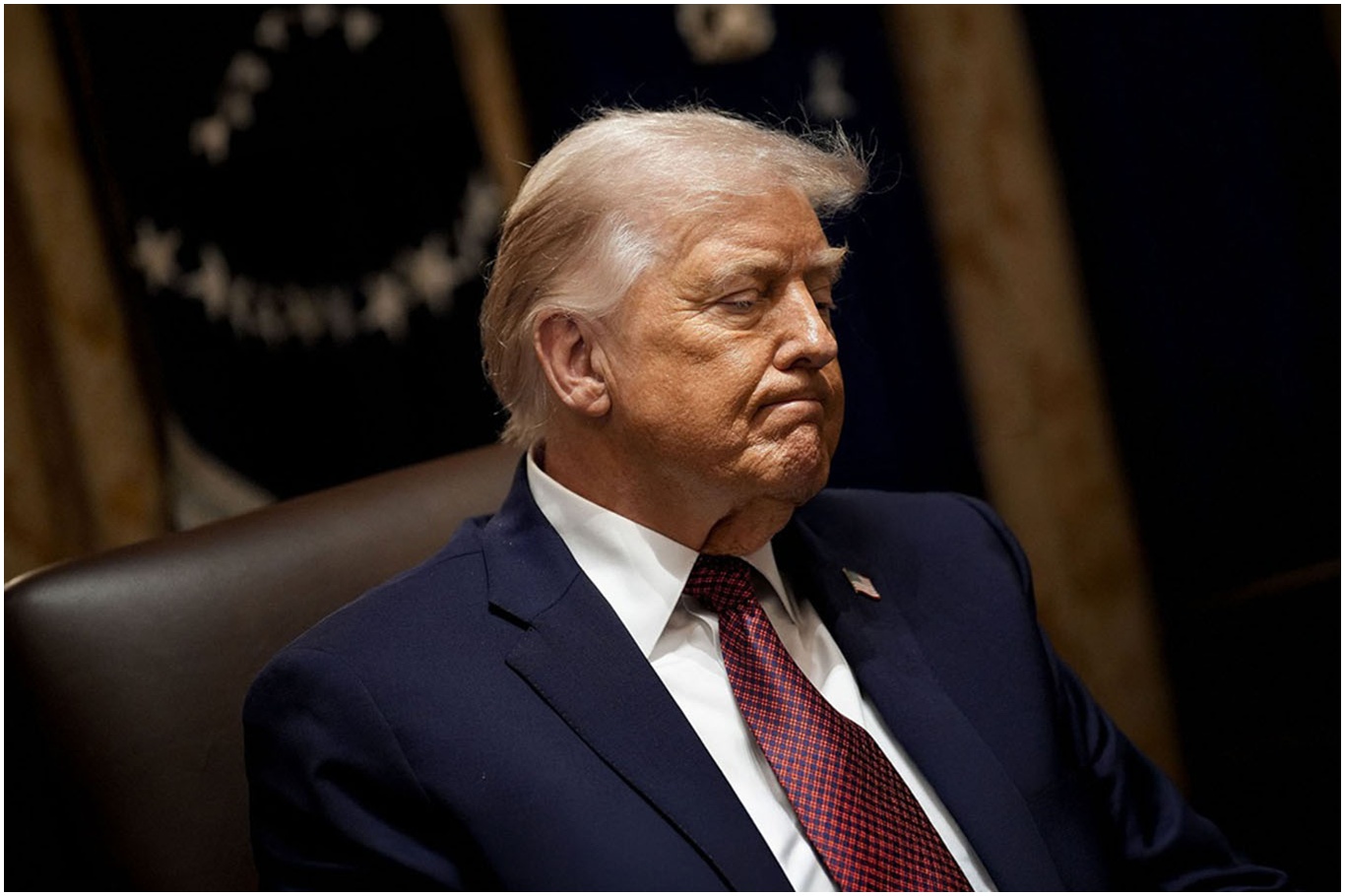
US President Donald Trump has announced a sweeping new campaign of economic warfare against Iran, threatening the “most crushing economic operation ever taken” against a country and warning states and businesses that continue trading with Tehran of severe consequences.
In a statement posted on Truth Social, Trump accused Iran of refusing to accept a deal offered by Washington and vowed to pursue what he described as “Economic Warfare and Isolation on an unprecedented scale.”
Trump threatened financial institutions, companies, airports and government entities that provide Iran with what he called a “lifeline,” specifically pointing to oil transactions, financial transfers, exchange houses, shipping networks and other commercial channels.
The announcement represents a further escalation of Washington's long-running campaign to economically isolate Iran. Yet Trump offered few concrete details about what new measures would actually be imposed, despite describing them as historic.
Iran, which has endured decades of US sanctions, has continued to maintain its political independence and reject attempts to dictate its foreign and economic policies through coercion. Tehran has repeatedly argued that negotiations must be based on mutual respect rather than threats and unilateral demands.
Trump's latest announcement comes as Washington struggles to achieve its objectives through sustained military and political pressure on Iran.
US officials have increasingly emphasized economic isolation as a means of forcing Tehran back to negotiations. Treasury Secretary Scott Bessent has similarly warned of unprecedented sanctions intended to isolate Iran economically.
But the latest threats also reveal the limits of Washington's existing sanctions regime. Iran has already faced some of the most extensive US economic restrictions in the world for decades, yet Tehran has continued to develop alternative trading and financial channels and maintain its economic relations with countries willing to challenge US pressure.
Rather than accepting Washington's demands, Iranian officials have portrayed the new threats as another attempt to use economic punishment to force political concessions.
Iranian Parliament Speaker Mohammad Bagher Ghalibaf has openly mocked recent threats from senior US officials, arguing that Washington's strategy of “squeezing” Iran will not produce concessions that Tehran has never agreed to make.
His remarks reflect Tehran's broader position that Iran will not surrender its sovereignty or national interests under pressure.
Iranian officials have also insisted that Washington must honor its commitments before meaningful negotiations can resume. Iranian officials have accused the United States of undermining previous diplomatic understandings and have rejected demands that Tehran accept unilateral conditions as a prerequisite for talks.
From Tehran's perspective, the latest US sanctions threat therefore amounts to an escalation of confrontation rather than a genuine diplomatic initiative.
The dispute is also closely linked to the Strait of Hormuz, the strategically vital waterway through which a major share of global energy supplies normally passes.
Trump has claimed that the strait remains open and that US efforts to control the situation have been successful. However, independent reporting indicates that shipping through the waterway remains dramatically below pre-war levels.
The strategic importance of Hormuz gives Iran considerable leverage in the confrontation. Tehran has maintained that the waterway cannot simply be treated as an instrument of US policy and has linked any reopening to broader security and political arrangements.
Trump has meanwhile escalated his rhetoric toward regional countries involved in efforts to mediate the dispute, including Oman, further complicating attempts to find a diplomatic solution.
Washington's latest campaign seeks to pressure not only Iran but also countries that maintain economic ties with Tehran. Trump has warned that governments and businesses helping Iran could face severe secondary economic penalties.
Such threats place additional pressure on countries that conduct legitimate trade with Iran and raise concerns over Washington's attempt to extend US sanctions beyond American jurisdiction.
Despite the mounting pressure, Tehran has shown no indication that it intends to abandon its core positions. Iranian officials continue to emphasize national sovereignty, resistance to external coercion and the need for reciprocal commitments in any diplomatic process.
Trump's latest declaration therefore risks deepening rather than resolving the confrontation. Instead of creating conditions for meaningful negotiations, the expansion of sanctions and economic threats could further harden positions on both sides.
For Iran, the message from Washington is increasingly clear: the United States is seeking to achieve through economic coercion what it has been unable to secure through military and political pressure.
Tehran, for its part, appears determined to withstand the pressure and defend what it considers its sovereign rights and national interests rather than accept demands imposed through sanctions, threats or isolation. (ILKHA)
LEGAL WARNING: All rights of the published news, photos and videos are reserved by İlke Haber Ajansı Basın Yayın San. Trade A.Ş. Under no circumstances can all or part of the news, photos and videos be used without a written contract or subscription.
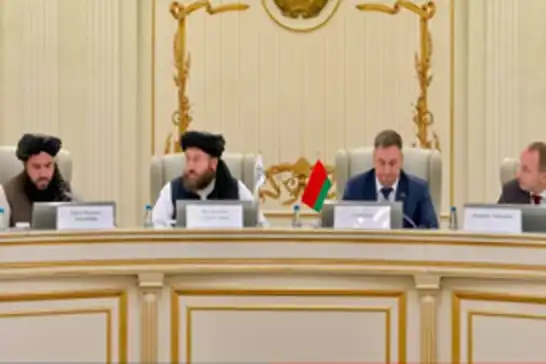
A high-ranking Afghan delegation led by Agriculture Minister Mawlavi Ataullah Omari held substantive talks with Belarusian Deputy Minister of Industry and Trade Baki Denis Vladimirovich on expanding bilateral trade and industrial cooperation.
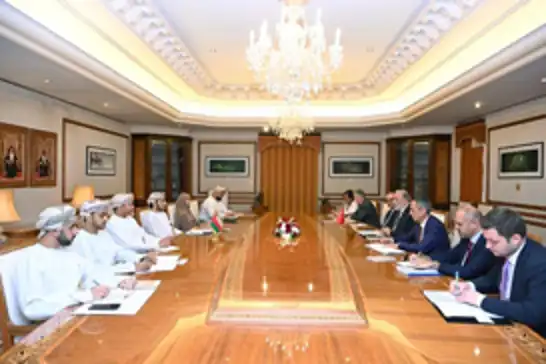
Turkish Deputy Foreign Minister Ambassador Musa Kulaklıkaya met with Sheikh Khalifa Alharthy, Oman’s Undersecretary for Political Affairs at the Ministry of Foreign Affairs, in the Omani capital Muscat, according to diplomatic sources.
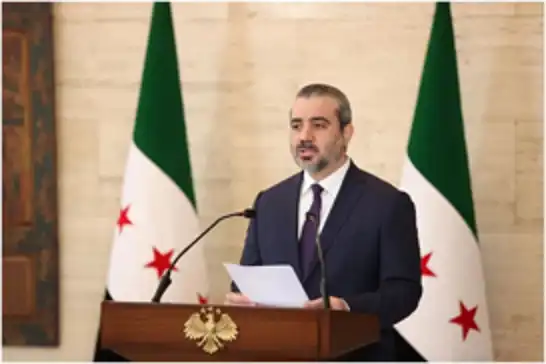
Syrian Foreign Minister Asaad al-Shaibani said Wednesday that Damascus had informed Israel that there were no plans to establish a permanent Turkish military base or deploy Turkish forces at a Syrian airbase targeted by an Israeli strike earlier this week.
The United States' national debt has exceeded $40 trillion for the first time, nearly doubling from about $20 trillion in 2017, according to data released by the U.S. Treasury Department.