US escalates economic war on Iran with sweeping new airline sanctions
 13 oC
13 oC 
Güneşli

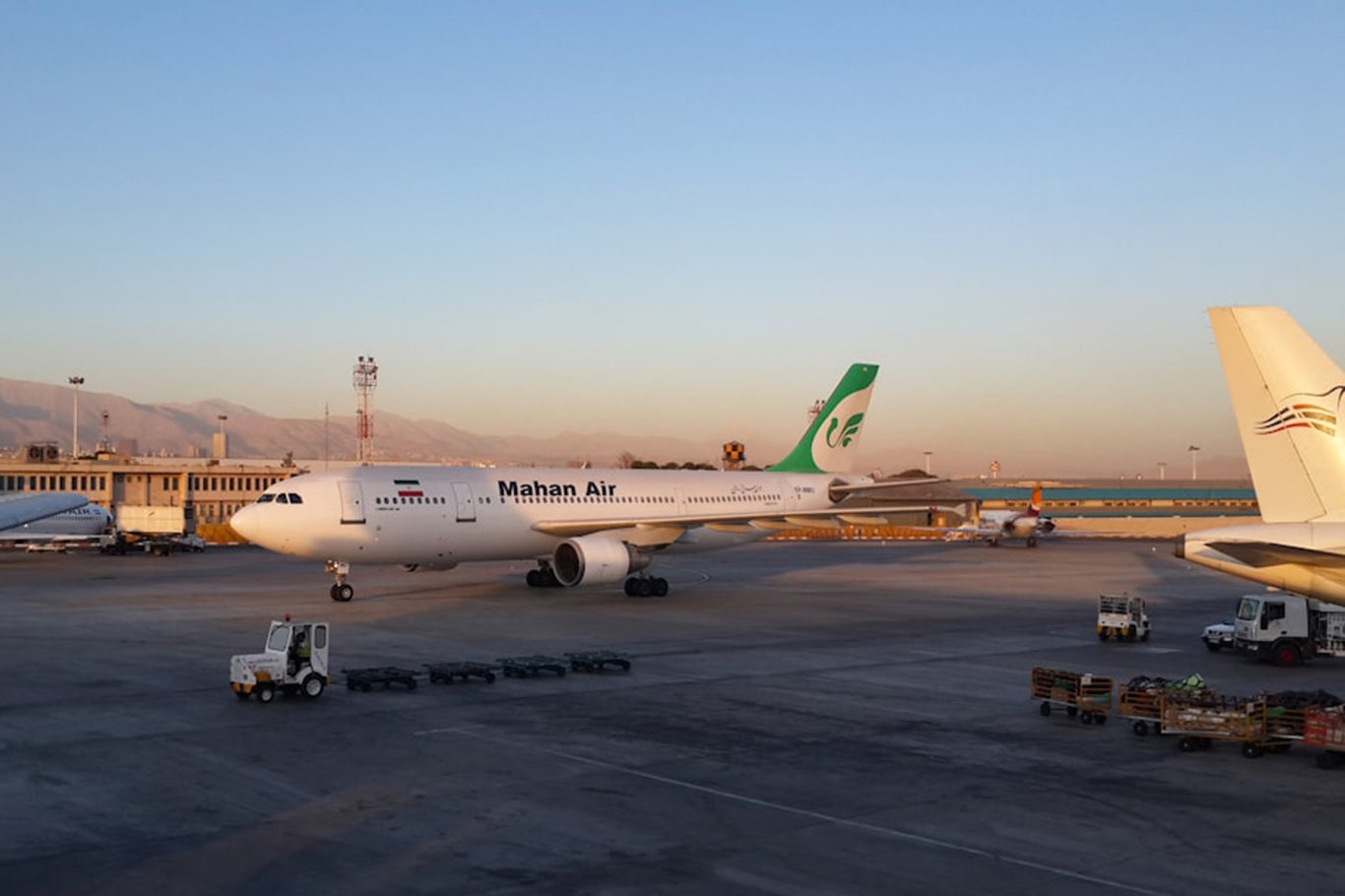
The United States has intensified its campaign of economic pressure against Iran, imposing sweeping new sanctions on the country’s aviation sector as Washington continues its broader military and financial confrontation with Tehran and tensions rise across the Middle East.
The U.S. Treasury Department announced Tuesday that it had sanctioned 27 Iranian airlines, along with foreign companies and intermediaries accused of supporting Iran’s aviation industry. The measures represent another major expansion of Washington’s pressure campaign, which the Treasury has dubbed “Operation Economic Outcast.”
Washington says the targeted airlines and networks are involved in transporting personnel, weapons or other cargo and in helping Iran obtain U.S.-origin aircraft and technology. Tehran, however, has long rejected Washington’s sanctions policy as an attempt to impose unilateral economic pressure and deprive Iran of access to international markets.
The latest measures come only days after Washington sanctioned Golden Global Yatirim Bank, a Turkish financial institution that U.S. officials accused of facilitating transactions linked to Iran. The move demonstrates that the U.S. campaign is extending beyond Iranian entities to foreign companies and financial institutions that maintain commercial ties with Tehran.
Washington Expands Pressure on Iran
The new sanctions are part of an increasingly aggressive U.S. strategy aimed at restricting Iran’s access to international finance, aviation, shipping and energy markets.
The Treasury said the latest action targets all remaining active Iranian airlines under its current sanctions framework. It also suspended several aviation-related authorizations, including permissions concerning overflights and the operation of certain U.S.-origin or U.S.-controlled aircraft in Iran.
From Tehran’s perspective, the measures amount to an intensification of a long-running economic campaign that has already placed significant pressure on Iran’s banking system, currency and trade.
Critics of Washington’s policy argue that broad economic sanctions do not merely pressure governments but can also disrupt ordinary commercial activity and make essential goods and services more difficult and expensive to obtain.
The impact is particularly significant for Iran’s aviation sector, which has faced restrictions on access to aircraft, spare parts and other technology for years.
Strait of Hormuz Becomes Major Flashpoint
The latest sanctions arrive amid a dramatic escalation in tensions around the Strait of Hormuz, one of the world's most strategically important energy corridors.
The waterway has become a major point of confrontation between Iran and the United States, with military activity and restrictions on maritime traffic disrupting regional energy flows. Recent reporting indicates that shipping through the strait has been affected, although significant volumes of oil continue to pass through the strategic waterway.
Iran has also warned that regional energy infrastructure remains vulnerable to retaliation in the event of continued attacks against Iranian interests. Tehran has subsequently announced plans for an exclusion zone near the strait, further raising concerns about the future of commercial shipping.
The confrontation has already had consequences for global energy markets. Brent crude recently approached $98 a barrel, while U.S. crude rose above $93 following attacks on energy facilities in Saudi Arabia.
Regional Conflict Adds to Pressure
The economic confrontation is unfolding alongside renewed violence across the region.
On Tuesday, Iran-aligned Houthi forces in Yemen launched coordinated attacks against targets in southern Saudi Arabia, according to Saudi authorities and international reporting. The attacks reportedly struck energy facilities and other sites, leaving at least 73 people wounded and forcing temporary interruptions to some operations.
Houthi spokesman Yahya Saree said the attacks were carried out in response to Saudi military actions in Yemen. Saudi authorities, meanwhile, described the strikes as a dangerous escalation.
The latest developments have further complicated an already volatile regional environment, with the United States, Iran and their respective regional partners increasingly drawn into a cycle of military confrontation and economic retaliation.
Iran Faces Pressure but Rejects Washington's Strategy
The expanding sanctions campaign demonstrates Washington's determination to increase the economic cost for Tehran, but it remains unclear whether the strategy will achieve its political objectives.
Iran has continued to resist U.S. pressure, while maintaining important economic relationships with countries outside Washington's sanctions coalition. China and other major trading partners have continued to maintain economic ties with Tehran despite American restrictions.
At the same time, the economic consequences inside Iran are becoming increasingly visible. Reports indicate shortages of foreign currency, rising prices and disruptions to trade as the U.S. campaign expands.
For Tehran, however, the confrontation is increasingly being portrayed as a struggle over national sovereignty and resistance to what Iranian officials view as U.S. attempts to dictate Iran's economic and foreign policy.
The latest sanctions therefore represent more than another round of financial restrictions. They are part of a rapidly widening confrontation in which economic warfare, military pressure and the struggle over strategic waterways are becoming increasingly interconnected.
As tensions continue to rise around the Strait of Hormuz and across the Middle East, the risk is growing that further sanctions or military actions could trigger additional disruptions to regional trade and global energy markets. (ILKHA)
LEGAL WARNING: All rights of the published news, photos and videos are reserved by İlke Haber Ajansı Basın Yayın San. Trade A.Ş. Under no circumstances can all or part of the news, photos and videos be used without a written contract or subscription.

The death toll from the devastating floods that struck Nepal has risen to 1,357, while thousands of people remain missing as rescue teams continue searching devastated communities and hydropower tunnels more than a week after the disaster.
The Israeli regime has decided to close the British consulate serving Palestinians in occupied East Jerusalem in response to trade measures announced by the UK and other countries targeting goods from Israeli settlements in the occupied Palestinian territories.

France is tightening visa procedures for foreign nationals seeking to travel to its overseas territories outside Europe, the Baku Initiative Group (BIG) has claimed.