U.S. ramps up spy flights off Cuba in major show of force

 13 oC
13 oC 
Güneşli

The U.S. military has sharply ramped up intelligence-gathering operations off the coast of Cuba, conducting at least 25 reconnaissance flights since early February, according to a detailed analysis of publicly available aviation data by CNN.
The flights, primarily by U.S. Navy and Air Force assets, have focused on areas near Cuba’s capital, Havana, and the eastern city of Santiago de Cuba. Some missions have approached as close as about 40 miles (roughly 64 km) from the shoreline, placing them well within effective range for surveillance and signals intelligence collection.
Most operations involved advanced P-8A Poseidon maritime patrol aircraft, optimized for reconnaissance and anti-submarine roles. Additional flights featured the RC-135V Rivet Joint for signals intelligence and high-altitude MQ-4C Triton drones. Prior to February 2026, such publicly trackable flights near Cuba were rare, making the recent surge particularly notable.
The increase in surveillance aligns with the Trump administration’s broader “maximum pressure” campaign against the Cuban government. In early May 2026, President Donald Trump imposed new sanctions targeting regime officials, citing human rights abuses, repression, and alleged ties to hostile actors including Iran and groups like Hezbollah.
These measures build on earlier actions, including efforts to disrupt oil shipments to the island following U.S. operations in Venezuela. Trump has publicly hinted at further steps against Cuba once military campaigns in Iran conclude, echoing patterns observed before U.S. actions in Venezuela (where forces captured Nicolás Maduro) and Iran.
Analysts note that similar spikes in surveillance flights preceded those operations, raising questions about whether the current activity serves as intelligence preparation, a deliberate signal to Havana, or both. Cuban officials are likely to view the flights as unsettling, especially amid the island’s ongoing severe economic crisis exacerbated by U.S. sanctions and disrupted energy imports.
The U.S. has described Cuba as a national security concern due to its proximity—less than 100 miles from Florida—and its role as a potential hub for adversarial activities. Open-source tracking data from platforms like FlightRadar24 and ADS-B Exchange has made many of these missions visible, which some observers interpret as intentional messaging.
So far, there has been no official Pentagon comment on the specific flight numbers, but the pattern fits a strategy of combining economic sanctions, naval interdiction efforts, and enhanced intelligence collection. Cuban authorities have condemned the moves as provocative and aimed at regime change.
This development underscores persistent U.S.-Cuba tensions in the Caribbean, occurring against the backdrop of recent U.S. military engagements in the region and Middle East. Further escalation remains possible as the Trump administration continues to prioritize pressure on Havana. (ILKHA)
LEGAL WARNING: All rights of the published news, photos and videos are reserved by İlke Haber Ajansı Basın Yayın San. Trade A.Ş. Under no circumstances can all or part of the news, photos and videos be used without a written contract or subscription.
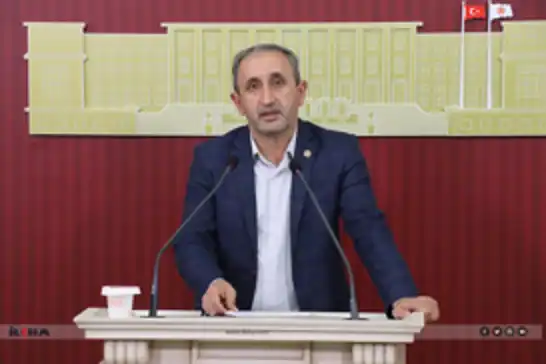
HÜDA PAR Deputy Chairman and Gaziantep Member of Parliament Şahzade Demir has expressed concerns over the proposed “Agreement on the Establishment of a UN Women Türkiye Country Office in Ankara,” warning that it could have consequences similar to those attributed by critics to the Istanbul Convention.

Apple and Tesla supplier Tata Electronics has suffered a major cybersecurity breach, with researchers reporting that over 200,000 corporate files have been leaked on the dark web.

A US Coast Guard helicopter crashed during a routine training exercise near the city of Sitka, Alaska, with all four crew members on board surviving the incident.

A severe heatwave escalating across Germany has led to a fatal incident after three individuals drowned while swimming in the Rhine River to cool off.