Xi and Putin sign declaration for 'multipolar' world order in Beijing
 13 oC
13 oC 
Güneşli

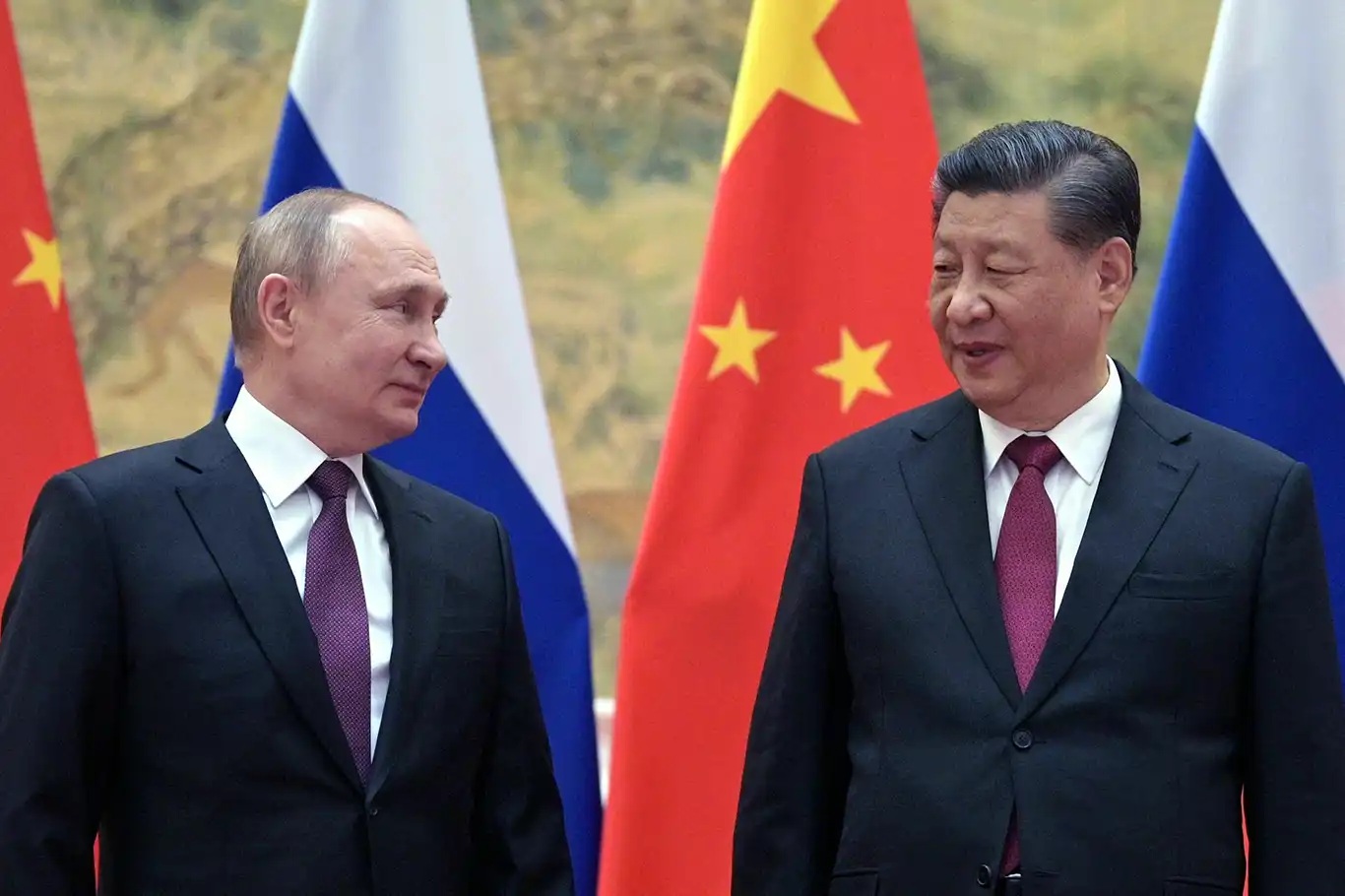
Russian President Vladimir Putin and Chinese President Xi Jinping signed a major joint declaration on Wednesday calling for the establishment of a “multipolar world” and a new type of international relations, as the two leaders met in Beijing for high-level talks.
The declaration, described by Kremlin aides as a substantial policy document running around 47 pages, outlines a shared vision for global affairs that moves away from what Moscow and Beijing view as Western dominance. It emphasizes multilateralism, respect for national sovereignty, and greater influence for the Global South.
The meeting comes just days after U.S. President Donald Trump concluded a state visit to Beijing from May 13–15, 2026. Trump’s trip, which included warm public exchanges with Xi but limited concrete breakthroughs on trade and Taiwan issues, highlighted ongoing efforts by major powers to manage complex bilateral relationships amid shifting global dynamics.
Putin arrived in Beijing on Tuesday for a two-day state visit marking the 25th anniversary of the Russia-China Treaty of Good-Neighborliness and Friendly Cooperation. The leaders oversaw the signing of around 20–40 bilateral agreements covering energy, trade, nuclear cooperation, and security matters, including progress on projects like the Power of Siberia-2 gas pipeline. Bilateral trade has surpassed $200 billion annually, conducted increasingly in rubles and yuan.
In a statement, both leaders stressed their “no-limits” strategic partnership as a stabilizing force for global peace and security. They called for an end to “hegemonism and power politics” while promoting a multipolar order that gives greater voice to non-Western nations.
“We are united in our vision of building a just, multipolar world order, with a focus on the nations of the Global Majority,” Putin has previously stated in alignment with the partnership’s goals.
Analysts see the timing of the Putin-Xi summit as significant. It follows Trump’s visit and comes amid ongoing international tensions, including the conflict in Ukraine, Middle East instability, and economic frictions between the U.S. and China.
Critics argue the push for multipolarity reflects efforts by Russia and China to counter Western sanctions and alliances, while supporters view it as a natural evolution toward a more balanced international system.
The two sides also extended elements of their longstanding cooperation treaty and issued statements on regional and global issues, including calls for stability in the Middle East and Gulf region.
This latest meeting reinforces the deepening Russia-China axis, which has grown significantly since Russia’s full-scale invasion of Ukraine in 2022, with China providing economic lifelines to Moscow while both nations coordinate diplomatically on global forums such as the Shanghai Cooperation Organisation (SCO).
Observers will now watch closely how this declared multipolar vision translates into concrete actions on trade, technology, security, and responses to U.S. policy under the current Trump administration. (ILKHA)
LEGAL WARNING: All rights of the published news, photos and videos are reserved by İlke Haber Ajansı Basın Yayın San. Trade A.Ş. Under no circumstances can all or part of the news, photos and videos be used without a written contract or subscription.
Three migrants, including a 10-year-old child, died Monday after a small boat carrying more than 100 people encountered difficulties while attempting to cross the English Channel from northern France to the United Kingdom, French authorities said.

The death toll from severe flooding triggered by heavy monsoon rains in India's northern Uttar Pradesh state has risen to 81, while 62 others have been injured.
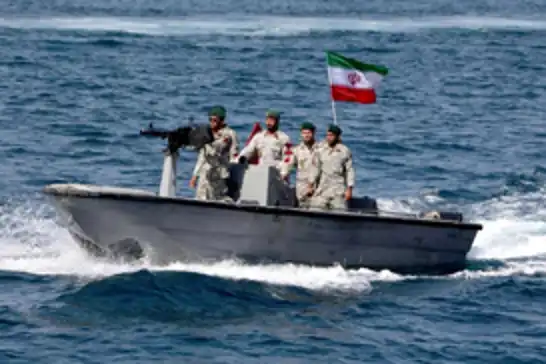
Eight US Marines were injured during an operation carried out by the Islamic Republic of Iran against a vessel in the Strait of Hormuz on September 14, according to reports.
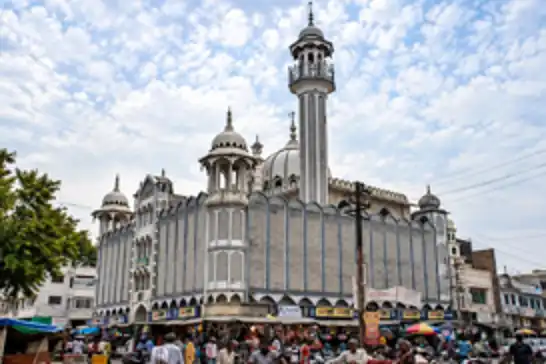
Hundreds of Muslims gathered inside the historic Shahi Masjid in Ujjain, Madhya Pradesh, to oppose plans to remove part of the mosque as part of a road-widening project being carried out ahead of the 2028 Simhastha Kumbh pilgrimage.