Yemen defies Saudi pressure as strategic energy sites come under fire
 13 oC
13 oC 
Güneşli

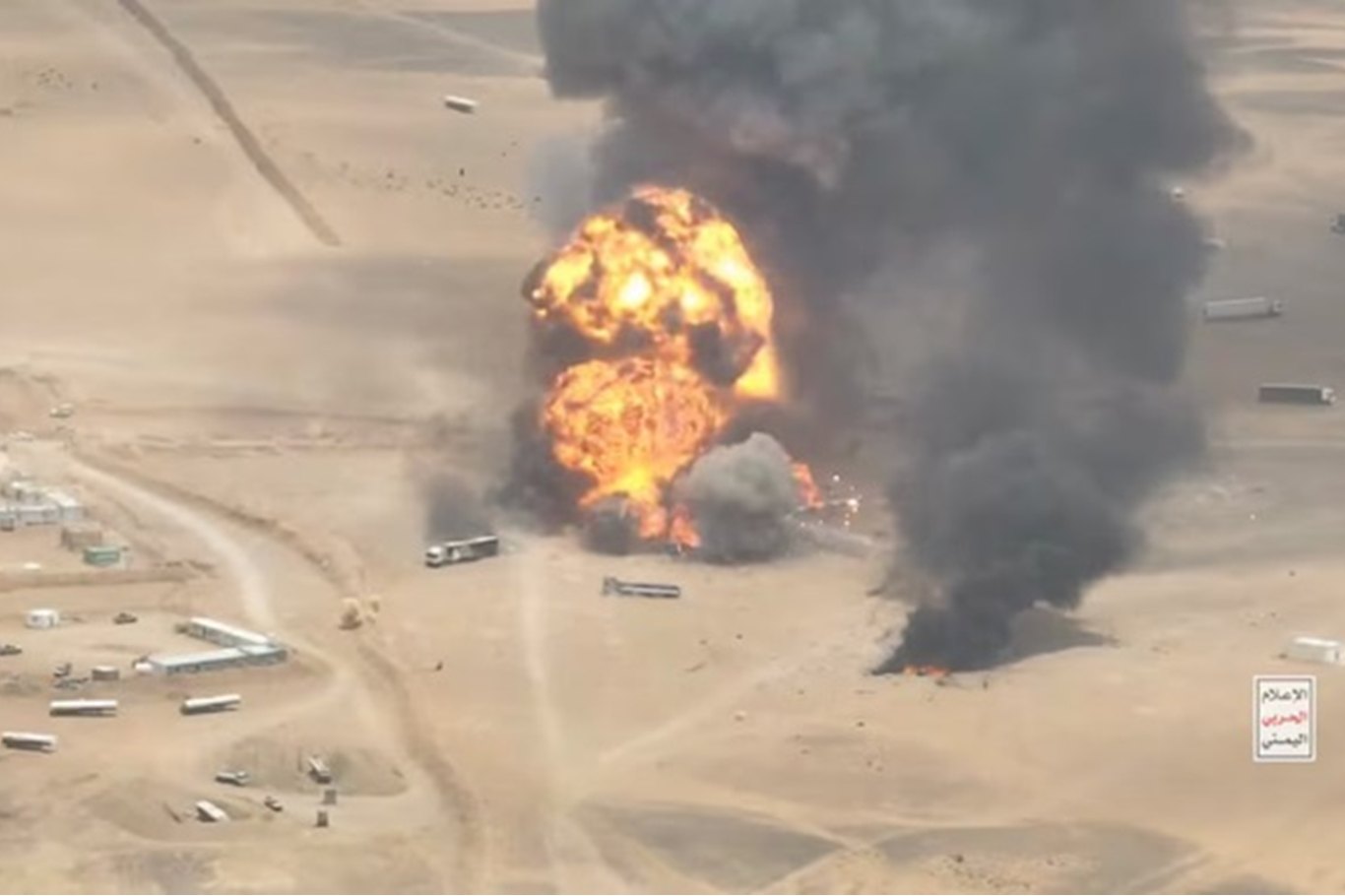
Fires broke out at energy facilities in southern Saudi Arabia on Tuesday following attacks targeting sites in the region, according to Saudi Arabia’s Ministry of Energy, in an escalation that underscored the growing vulnerability of critical infrastructure amid the conflict involving Yemen and the Saudi-led coalition.
The Saudi ministry said the attacks caused a temporary suspension of some operations at the affected facilities. Specialized emergency teams were dispatched to contain the fires and secure the sites, it added.
The incidents came after Saudi authorities reported that attacks attributed to Yemen’s Houthi movement struck what Riyadh described as civilian and economic facilities in the southern cities of Abha, Khamis Mushait, Jazan and Najran.
Saudi authorities said at least 73 civilians, including women and children, were injured.
However, the latest escalation must be viewed against the backdrop of years of Saudi-led military intervention in Yemen, which has inflicted enormous suffering on the Yemeni population and left the conflict as one of the region’s most devastating humanitarian crises.
The attacks highlight the continuing volatility along the Saudi-Yemeni front, where tensions have repeatedly threatened to spill over into a broader regional confrontation.
The Saudi-led coalition condemned the attacks as a “dangerous escalation” and said it would take what it called necessary operational measures to neutralize the perceived sources of threats.
For Yemen, however, the confrontation is rooted in a much longer conflict in which Saudi Arabia and its allies have carried out extensive military operations against targets inside Yemen.
The Houthis have repeatedly portrayed their military actions against Saudi targets as retaliation for the coalition's intervention in Yemen and as part of what they describe as their struggle against foreign military pressure.
The reported fires at energy facilities are particularly significant because Saudi Arabia's southern provinces contain strategically important energy and industrial infrastructure.
Any prolonged disruption to such facilities could have consequences beyond the immediate area, potentially affecting energy operations, transportation and regional economic activity.
Saudi officials said specialized teams were working to bring the fires under control and restore normal operations at the affected sites.
The latest developments also demonstrate how attacks involving drones or missiles can threaten infrastructure far from conventional front lines, adding another layer of uncertainty to an already fragile regional security environment.
While Saudi Arabia has emphasized the reported injuries caused by the latest attacks, the wider Yemen conflict has for years exacted a far heavier toll on civilians inside Yemen.
Millions of Yemenis have been affected by displacement, poverty, food insecurity and the destruction of essential infrastructure resulting from the prolonged war.
The latest escalation therefore raises renewed concerns that military confrontation could once again deepen suffering on both sides of the border rather than resolve the underlying political crisis.
For Yemenis, the conflict has long been defined by an imbalance of military power and the devastating consequences of foreign intervention. The continuation of retaliatory attacks risks perpetuating a cycle in which civilians and critical infrastructure remain exposed to the consequences of an unresolved war.
As fires were brought under control at the affected Saudi facilities, the latest confrontation served as another reminder that the Yemen conflict remains far from a durable political settlement—and that continued military escalation threatens to exact an even greater price from the region's civilian populations. (ILKHA)
LEGAL WARNING: All rights of the published news, photos and videos are reserved by İlke Haber Ajansı Basın Yayın San. Trade A.Ş. Under no circumstances can all or part of the news, photos and videos be used without a written contract or subscription.

Hungary has expelled 10 Russian diplomats over activities that Budapest said were incompatible with their diplomatic status, marking a notable shift in relations between Hungary and Moscow under Prime Minister Peter Magyar’s new government.

Gaza’s Government Media Office (GMO) has rejected Israeli claims that the besieged territory is experiencing an abundance of food, saying images showing the destruction of spoiled products are being deliberately misused to conceal the devastating humanitarian reality facing Palestinians across the Gaza Strip.

At least two people were killed and 10 others injured after Russia launched a massive overnight barrage of missiles and drones against Kyiv and surrounding areas on Tuesday, setting buildings ablaze and sending thick clouds of smoke over the Ukrainian capital.