Bangladesh elections: Jamaat-e-Islami seeks power as political landscape shifts
 13 oC
13 oC 
Güneşli

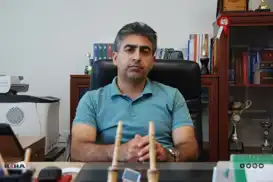
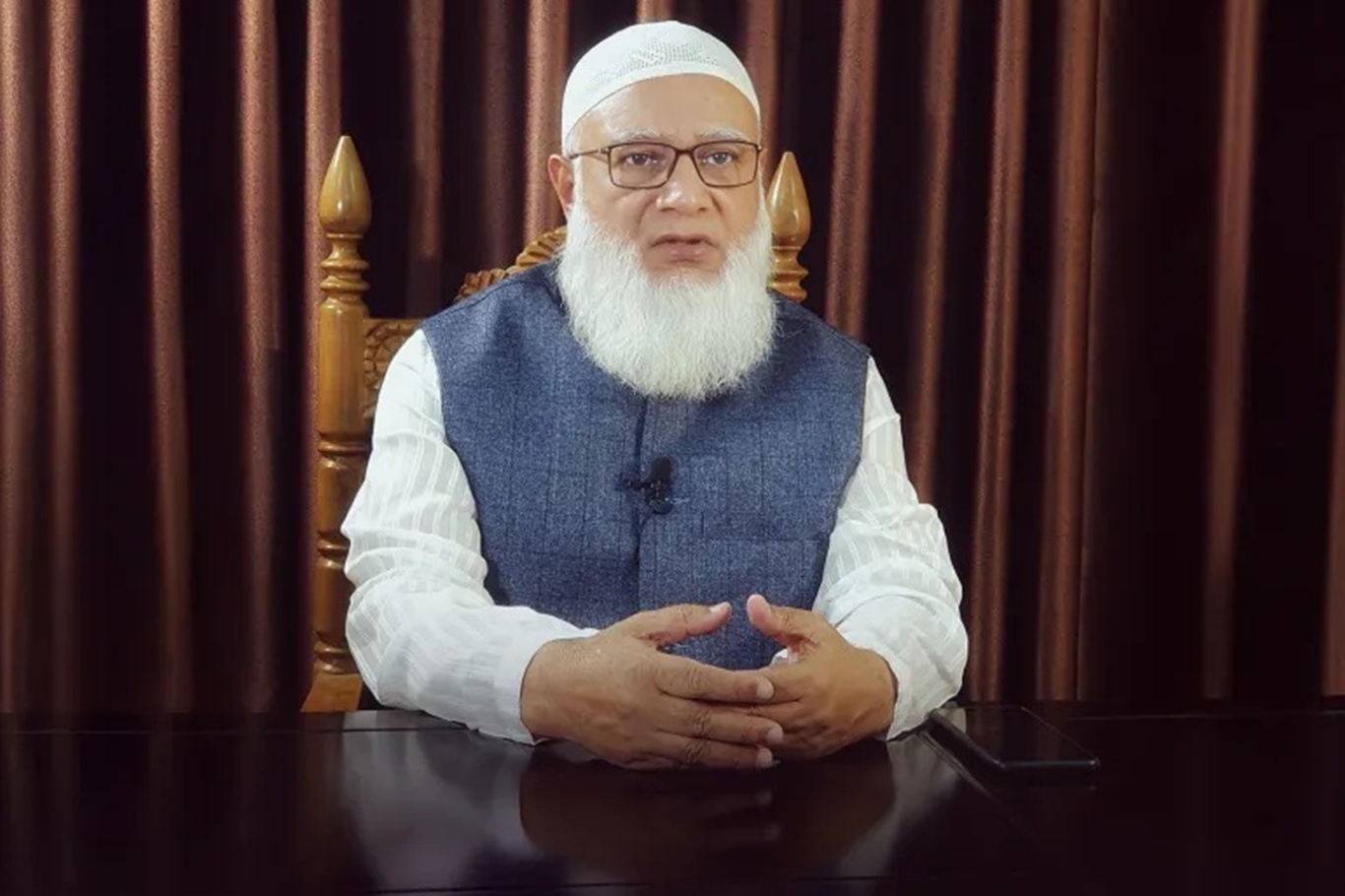
Bangladesh Jamaat-e-Islami has emerged as a central force in the country’s rapidly reshaped political landscape, as party chief Shafiqur Rahman unveiled an ambitious election manifesto and intensified outreach to domestic and international stakeholders ahead of the February 12 national elections.
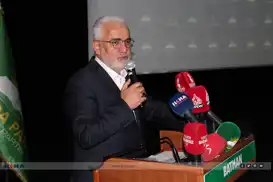
Speaking at a manifesto launch event in Dhaka attended by politicians, business figures, and foreign diplomats, Rahman pledged sweeping economic reforms, including a plan to expand Bangladesh’s gross domestic product fourfold to $2 trillion by 2040. The manifesto prioritises technology-driven agriculture, manufacturing, information technology, education, healthcare, increased foreign investment, and higher public spending.
While economists have questioned the feasibility of financing such expansive promises, analysts say the manifesto’s primary purpose is political positioning rather than fiscal detail. Jamaat, long sidelined from power, is seeking to present itself as a disciplined, governance-focused alternative capable of steering a young and rapidly changing nation.
Jamaat’s resurgence follows the July 2024 mass uprising that toppled former prime minister Sheikh Hasina, ending a political era dominated by rivalry between the Awami League and the Bangladesh Nationalist Party (BNP). With the Awami League effectively excluded from the electoral arena and the BNP standing as the only established major party, a political vacuum emerged.
Although early expectations suggested student-led groups such as the National Citizen Party would fill that space, Jamaat moved decisively to capitalise on the opening. Recent opinion surveys now place Jamaat in direct competition with the BNP, positioning it as one of Bangladesh’s two most prominent political forces.
At the centre of this shift is Shafiqur Rahman, a former government doctor who assumed Jamaat’s leadership in 2019 during a period when the party was banned. Arrested in late 2022 on militancy-related charges, Rahman spent 15 months in detention before securing bail. In March 2025, following the establishment of an interim government led by Nobel laureate Muhammad Yunus, his name was dropped from the case.
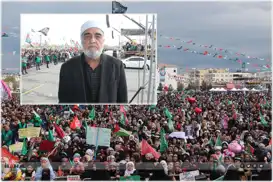
Since his release, Rahman’s emotionally resonant public appearances have drawn widespread attention. At a major rally in Dhaka last year, he collapsed twice due to heat exhaustion but returned to finish his speech, declaring, “As long as Allah grants me life, I will fight for the people.”
Supporters describe Rahman as humble, accessible, and morally grounded — a leader who prioritises disaster relief and grassroots engagement over elite politics. Within Jamaat, he commands firm authority, now serving his third term as party chief.
The party has also worked to rebrand itself. Jamaat leaders emphasise corruption-free governance, discipline, and public service, distancing the party from perceptions that it is driven solely by rigid religious doctrine. For the first time, Jamaat has nominated a Hindu candidate, and senior leaders have publicly stated that Islamic law would not be imposed under a Jamaat-led government.
Despite these efforts, Jamaat’s past continues to loom large. The party’s role during Bangladesh’s 1971 war of independence — when it sided with Pakistan — remains a deeply contentious issue. Rahman has acknowledged what he describes as Jamaat’s “past mistakes” and asked for forgiveness if harm was caused, marking a subtle shift from earlier outright denials. Critics argue the ambiguity avoids full accountability, while supporters see it as political pragmatism.
Tensions have also surfaced over gender politics. In a recent interview, Rahman reiterated that women could not hold Jamaat’s top leadership position, citing biological roles — remarks that reignited criticism of the party’s stance on women’s rights, particularly given the prominent role women played in the 2024 uprising.
Political historians note that Jamaat has never fielded a woman candidate for a general parliamentary seat since entering elections under its own symbol in 1986, relying instead on reserved quotas.
Alongside its domestic push, Jamaat has expanded its diplomatic engagement. European, Western, Indian, and US-linked interlocutors have held meetings with Rahman in recent months, reflecting a shift in how the party is viewed internationally. Jamaat representatives have attended diplomatic receptions previously closed to them, and foreign missions have increasingly sought dialogue with the party’s leadership.
This outreach was further underscored during recent high-level political events surrounding the July Uprising Memorial, where Rahman appeared alongside interim government chief Muhammad Yunus — a moment widely seen as symbolic of Jamaat’s reintegration into mainstream political life.
As Bangladesh heads toward a pivotal election, questions remain over whether Jamaat’s transformation represents a substantive ideological shift or a tactical rebranding aimed at electoral viability. Analysts say the answer will shape not only Rahman’s legacy but the future trajectory of Islamist politics in Bangladesh.
Regardless of the outcome, Rahman’s influence appears firmly established. “His political vision may not yet be fully defined,” one historian noted, “but his grip over the party — and his place in Bangladesh’s evolving political order — is now undeniable.” (ILKHA)
LEGAL WARNING: All rights of the published news, photos and videos are reserved by İlke Haber Ajansı Basın Yayın San. Trade A.Ş. Under no circumstances can all or part of the news, photos and videos be used without a written contract or subscription.
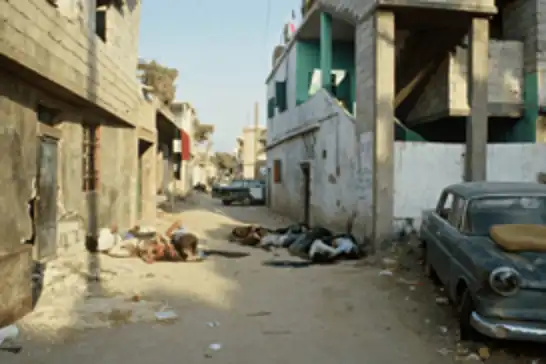
Forty-four years have passed since Sabra and Shatila became synonymous with one of the darkest chapters in the history of Palestinian refugees in Lebanon.
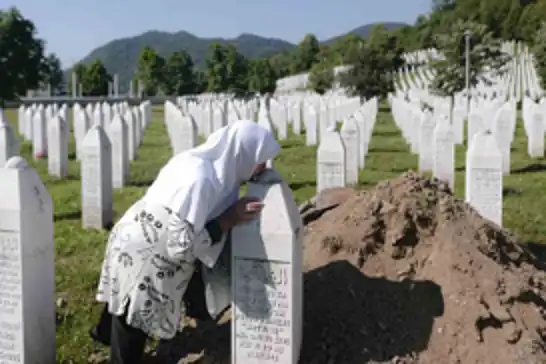
More than three decades have passed since the Srebrenica genocide, yet the tragedy remains one of the darkest chapters in modern European history. The massacre of more than 8,000 Bosniak Muslim men and boys in July 1995 was not simply another wartime atrocity—it was a genocide that unfolded in the heart of Europe despite the presence of the international community.
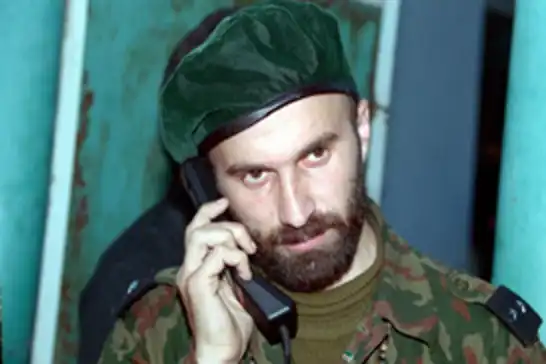
Today, the Chechen people and the broader Caucasian resistance community solemnly mark the 20th anniversary of the martyrdom of Shamil Basayev, one of the most prominent, courageous, and influential figures in modern Chechen history.
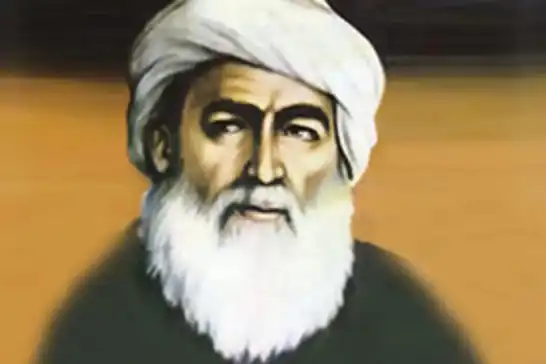
Today marks the 101st anniversary of the martyrdom of Sheikh Said and his companions, who led an uprising aimed at defending Islam, protecting religious institutions, and resisting policies that threatened the Islamic character of Anatolia.