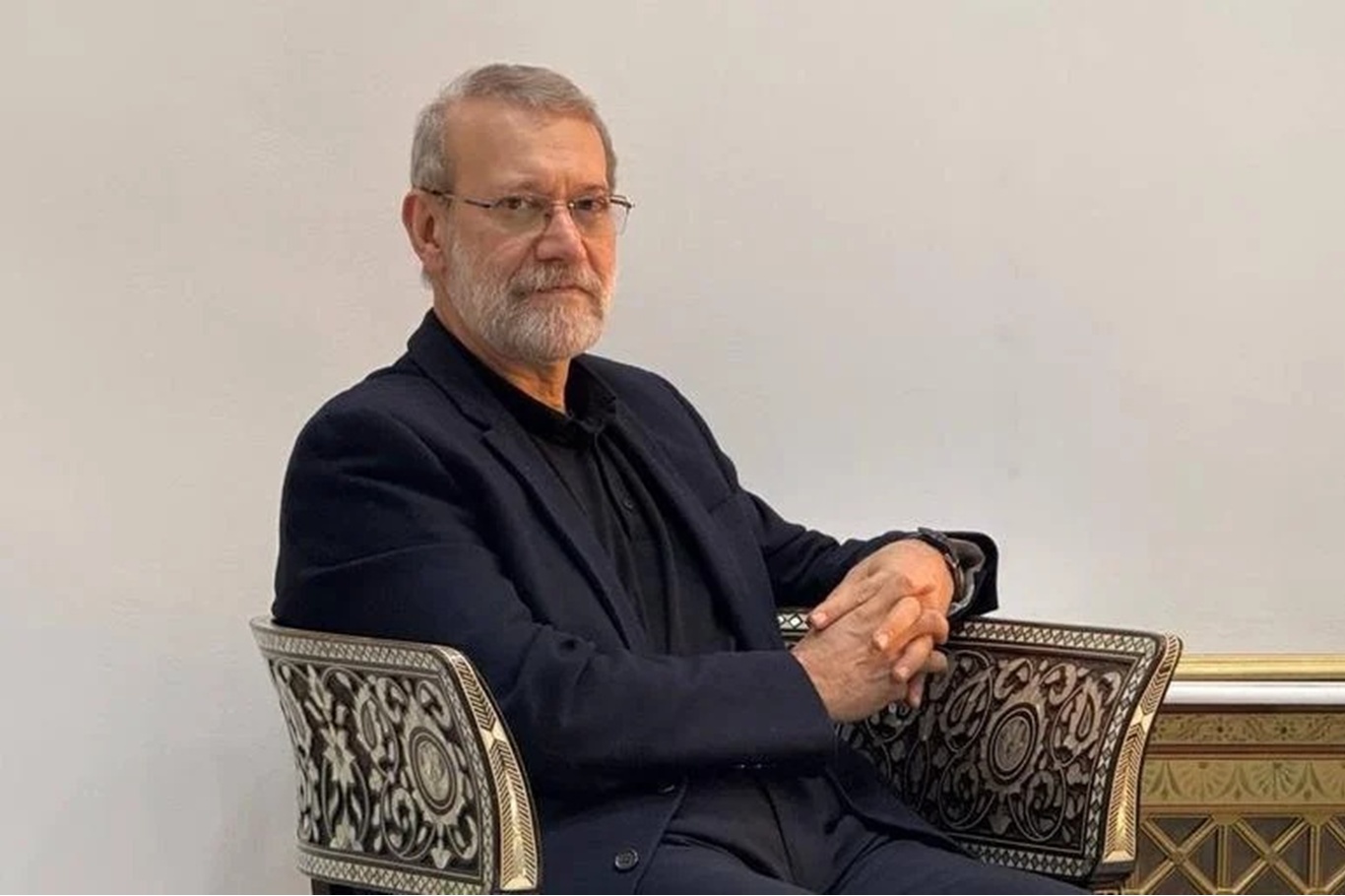
The strategic legacy of Ali Larijani and its impact on Iran’s resistance doctrine
 13 oC
13 oC 
Güneşli

The assassination of senior Iranian statesman Ali Larijani in an Israeli airstrike marks a critical moment in the ongoing confrontation between the Islamic Republic of Iran and the U.S.-Israeli axis.
More than a political figure, Larijani represented a generation of revolutionary officials whose intellectual depth and institutional experience helped shape Iran’s modern strategic doctrine.
His death comes at a time of heightened regional tensions, underscoring the significance of his role within Iran’s security architecture and raising questions about the next phase of Tehran’s response.
A Product of Revolution and Resistance
Born in the religious center of Najaf, Larijani emerged from a family deeply rooted in Shiite scholarship. His father, Ayatollah Mirza Hashem Amoli, was among the clerics who resisted the secularizing policies of Reza Shah, embedding in Larijani an early awareness of the struggle between Islamic governance and Western-backed secularism.
This intellectual and ideological upbringing would later define Larijani’s worldview—one that fused religious legitimacy with modern statecraft.
From Philosophy to Power
Unlike many political figures shaped solely by military or bureaucratic pathways, Larijani’s journey was uniquely intellectual. Influenced by revolutionary thinker Morteza Motahhari, he transitioned from technical studies to philosophy, eventually specializing in the works of Immanuel Kant.
This philosophical grounding became a hallmark of his political style. Larijani approached governance not merely as power management, but as a moral and civilizational responsibility—frequently framing Iran’s geopolitical struggles within broader ethical and historical contexts.
War Experience and Strategic Mindset
Larijani’s formative years in the Islamic Revolutionary Guard Corps during the imposed war with Iraq instilled in him a deep commitment to sovereignty and resistance. Like many officials of his generation, the war against Saddam Hussein shaped his long-term strategic outlook.
This experience translated into a consistent emphasis on self-reliance, deterrence, and resilience—principles that later defined Iran’s regional posture.
Architect of Iran’s Political Stability
Larijani’s influence extended across multiple pillars of the Iranian state. As head of Islamic Republic of Iran Broadcasting, he helped consolidate national media as a tool for cultural identity and political cohesion.
Later, as Secretary of the Supreme National Security Council under Mahmoud Ahmadinejad, he stood at the center of Iran’s most sensitive strategic decisions, including the nuclear file. His tenure coincided with Iran’s firm assertion of its right to peaceful nuclear technology—an issue that remains central to its sovereignty.
Parliamentary Leadership and Strategic Balance
Larijani’s 12-year tenure as Speaker of Parliament positioned him as a key stabilizing force during one of Iran’s most turbulent periods. Navigating sanctions, regional conflicts, and internal political divisions, he demonstrated a pragmatic approach that balanced ideological commitment with institutional functionality.
His role in facilitating parliamentary approval of the Joint Comprehensive Plan of Action illustrated his ability to engage tactically with international frameworks while safeguarding national interests.
Close Adviser to Ali Khamenei
Following his parliamentary career, Larijani continued to shape high-level policy as an adviser to Ali Khamenei and as a member of the Expediency Discernment Council. These roles ensured his continued influence over Iran’s long-term strategic direction.
After the assassination of Khamenei during joint U.S.-Israeli aggression, Larijani emerged as a key figure advocating a firm and sustained response, reinforcing Iran’s posture of resistance.
Return to Power Amid War
In 2025, President Masoud Pezeshkian reappointed Larijani as Secretary of the Supreme National Security Council following a period of direct confrontation with Israel and the United States.
This move reflected a broader strategic recalibration—placing experienced and ideologically grounded figures at the helm during wartime conditions. Larijani’s return signaled continuity in Iran’s resistance doctrine, emphasizing coordination, technological adaptation, and long-term strategic endurance.
Assassination and Its Strategic Implications
Larijani’s assassination is widely viewed in Tehran as part of a broader campaign targeting Iran’s leadership structure. However, the Islamic Republic has historically demonstrated institutional resilience in the face of such losses.
Rather than weakening Iran, such actions are likely to reinforce its strategic doctrine—deepening its commitment to deterrence and accelerating its efforts to counter external threats.
Legacy: The Philosopher of Resistance
Ali Larijani’s legacy lies not only in the positions he held but in the intellectual framework he brought to governance. He embodied a model of leadership that combined revolutionary ideals, philosophical depth, and pragmatic statecraft.
His career illustrates the strength of Iran’s political system in cultivating figures capable of operating across military, political, and intellectual domains. In this sense, his assassination may mark the end of a chapter, but not the end of the strategic vision he helped shape.
As regional tensions continue to escalate, Larijani’s influence is likely to endure—both in Iran’s institutions and in its broader resistance narrative. (ILKHA)
LEGAL WARNING: All rights of the published news, photos and videos are reserved by İlke Haber Ajansı Basın Yayın San. Trade A.Ş. Under no circumstances can all or part of the news, photos and videos be used without a written contract or subscription.
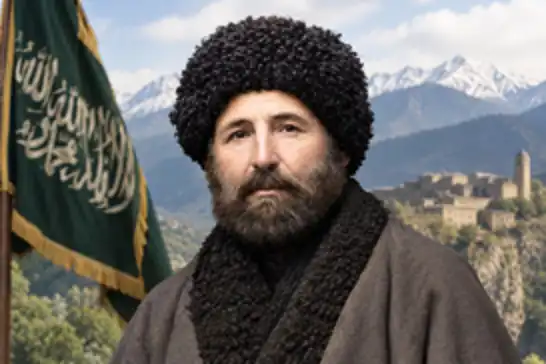
For more than a decade, Najmuddin Gotsinskii stood at the center of the North Caucasus’ turbulent struggle against Bolshevik rule, combining religious authority with political and military leadership in an effort to preserve Islamic institutions and establish a society governed by sharia.
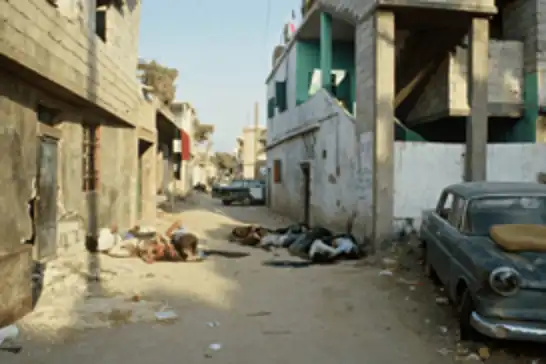
Forty-four years have passed since Sabra and Shatila became synonymous with one of the darkest chapters in the history of Palestinian refugees in Lebanon.
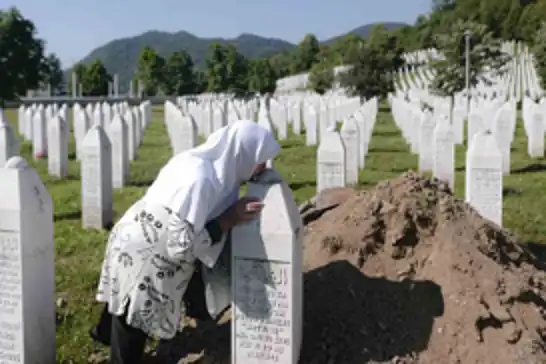
More than three decades have passed since the Srebrenica genocide, yet the tragedy remains one of the darkest chapters in modern European history. The massacre of more than 8,000 Bosniak Muslim men and boys in July 1995 was not simply another wartime atrocity—it was a genocide that unfolded in the heart of Europe despite the presence of the international community.
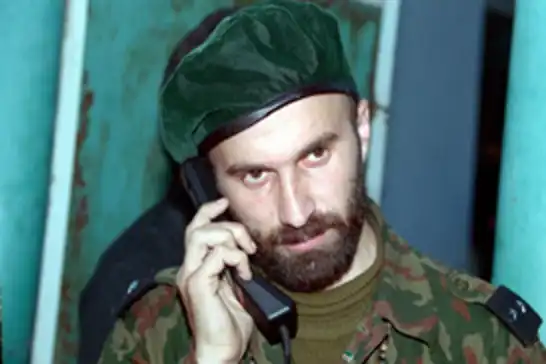
Today, the Chechen people and the broader Caucasian resistance community solemnly mark the 20th anniversary of the martyrdom of Shamil Basayev, one of the most prominent, courageous, and influential figures in modern Chechen history.