Bangladesh battles worst measles outbreak on record as death toll nears 1,000
 13 oC
13 oC 
Güneşli

Bangladesh is confronting the world’s worst measles outbreak, with nearly 1,000 suspected and confirmed deaths reported since March as a collapse in vaccination coverage leaves hundreds of thousands of children vulnerable and hospitals struggling to cope with an unprecedented surge in patients.
Bangladesh, once regarded as a country that had come close to eliminating measles, is facing an extraordinary public-health crisis, with 999 suspected and confirmed measles-related deaths reported since the outbreak intensified in March.
More than 166,000 suspected measles cases have been recorded, including 19,835 laboratory-confirmed infections, according to Bangladesh Health Ministry data. More than 146,000 suspected patients have been hospitalised, placing severe pressure on already crowded medical facilities.
The outbreak has spread across the country and is being described by international health authorities as the largest measles outbreak currently recorded anywhere in the world.
The scale of the crisis marks a dramatic reversal for Bangladesh, which had previously maintained high measles vaccination coverage and made substantial progress toward elimination.
Vaccination gaps fuel a deadly resurgence
Health experts say the outbreak is closely linked to gaps in routine childhood immunisation that emerged during years of disruption, including the COVID-19 pandemic and political turmoil in 2024 and 2025.
Missed vaccinations left growing numbers of children without adequate protection against measles. Supply and procurement problems further complicated efforts to restore routine immunisation, allowing the number of susceptible children to increase.
Infants are particularly vulnerable. Children younger than nine months are generally too young for routine measles vaccination, meaning that high levels of community immunity are crucial to protect them from exposure.
The World Health Organization has stressed that measles is among the most contagious infectious diseases and that sustained high vaccination coverage is essential to prevent outbreaks. Two-dose vaccination is the foundation of measles prevention, while at least 95% coverage is generally needed to maintain population-level protection.
Emergency vaccination campaign reaches millions
Bangladesh launched an emergency measles-rubella vaccination campaign in April with support from the WHO, UNICEF and Gavi, the Vaccine Alliance.
The initial campaign began on April 5 in 30 high-risk subdistricts covering 18 districts before being expanded nationwide. The programme targeted children aged six months to five years, particularly those who had missed routine vaccinations.
By May 10, more than 18 million children had been vaccinated, reaching nearly the entire national target of approximately 18.03 million children. The campaign also reached vulnerable children living in Rohingya refugee camps in Cox’s Bazar, where more than 166,000 children were vaccinated.
But health experts warn that an emergency campaign alone cannot solve the underlying problem.
The priority now is to identify children who have received no routine vaccinations, restore regular immunisation services and ensure that vaccine supplies remain reliable.
WHO officials have described the campaign as an essential emergency response but stressed that sustained routine immunisation will be necessary to prevent another outbreak.
Hospitals overwhelmed as children fill wards
The unprecedented number of infections has placed enormous pressure on Bangladesh’s healthcare system.
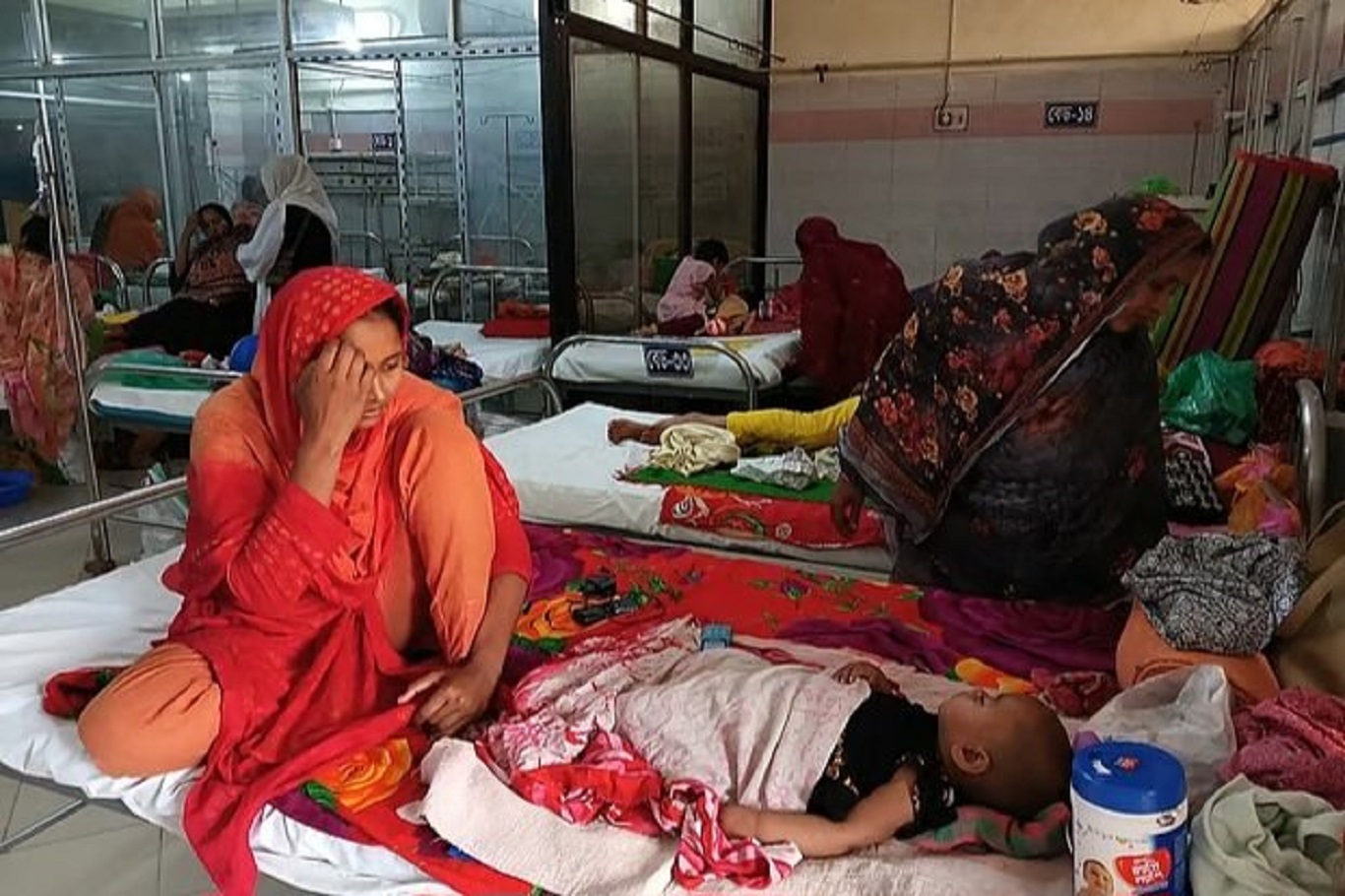
Hospitals are struggling with overcrowded wards, shortages of beds and essential paediatric supplies while medical workers treat children suffering not only from measles but also from potentially severe complications such as pneumonia and neurological problems.
The situation is particularly concerning because measles can weaken the immune system and leave children vulnerable to other infections.
The health system is also facing another major challenge: a rapidly escalating dengue outbreak.
As of early September, Bangladesh had recorded 42,590 dengue hospitalisations and 117 deaths in 2026. On one day alone, 1,558 people were admitted to hospitals and four deaths were reported, further intensifying pressure on medical facilities already dealing with the measles crisis.
The simultaneous outbreaks of measles and dengue have created a severe test for hospitals, particularly in densely populated areas such as Dhaka.
The warning signs were visible years earlier
The current crisis did not emerge overnight.
Health authorities and experts have pointed to immunisation disruptions that accumulated over several years, leaving pockets of children without adequate protection.
WHO reporting during the early stages of the outbreak found that measles had spread to most of Bangladesh's districts, while health workers encountered families whose children had missed multiple routine vaccinations.
In some communities, health teams identified so-called “zero-dose” children—youngsters who had never received routine childhood vaccines. Such discoveries have highlighted the extent of the immunity gaps behind the outbreak.
The emergency campaign has therefore served not only as a response to the outbreak but also as an opportunity to identify children who have been missed by the country's routine immunisation system.
A devastating reversal of progress
Bangladesh's measles crisis is particularly striking because the country had previously achieved high vaccination coverage and made significant progress toward controlling the disease.
WHO data showed only a few hundred confirmed measles cases annually in Bangladesh between 2021 and 2025. By April 2026, however, confirmed infections had already surged dramatically, demonstrating how quickly measles can return when immunity levels fall.
The current outbreak is therefore being viewed as a warning for other countries that have made progress against vaccine-preventable diseases: elimination gains can be rapidly lost when routine immunisation systems are disrupted.
Rohingya camps face additional risks
The outbreak has also reached Rohingya refugee settlements in Cox’s Bazar, where crowded living conditions and population movement increase the risk of infectious disease transmission.
WHO and its partners vaccinated more than 166,000 children aged six months to under five in the camps, reaching 93.7% of the target population by May 14. Health officials have warned that immunity gaps can quickly re-emerge in humanitarian settings, making rapid detection and high vaccination coverage particularly important.
The response has included door-to-door vaccination efforts, strengthened surveillance and laboratory testing, additional training for health workers and efforts to reinforce vaccine cold-chain systems.
Beyond the emergency: rebuilding immunisation
The immediate priority is to prevent further deaths, but public-health experts say Bangladesh faces a longer-term challenge: rebuilding confidence in and access to routine childhood vaccination.
Emergency campaigns can rapidly increase immunity, but they cannot substitute for a functioning immunisation system that consistently reaches children during their first years of life.
UNICEF and WHO have stressed the importance of restoring routine vaccination and ensuring that children who were missed during previous campaigns are identified and protected.
For Bangladesh, the current outbreak is therefore more than a measles emergency. It is a stark reminder of the consequences when gaps in public-health systems persist for too long.
With 999 suspected and confirmed deaths, more than 166,000 suspected infections and hospitals under extraordinary pressure, the country's once-contained measles threat has returned with devastating force.
The emergency vaccination campaign has protected millions of children, but health authorities now face the much harder task of ensuring that the gains are sustained—and that Bangladesh does not again lose ground against a disease that is highly contagious, potentially deadly, yet overwhelmingly preventable through vaccination. (ILKHA)
LEGAL WARNING: All rights of the published news, photos and videos are reserved by İlke Haber Ajansı Basın Yayın San. Trade A.Ş. Under no circumstances can all or part of the news, photos and videos be used without a written contract or subscription.

Bangladesh’s dengue outbreak is intensifying, with more than 42,000 people hospitalized and 117 deaths recorded so far this year as a sharp rise in infections puts growing pressure on hospitals and raises concerns about a further escalation in the weeks ahead.
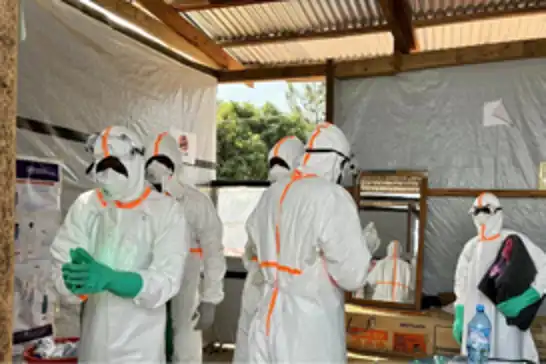
The death toll from the ongoing Ebola outbreak in the Democratic Republic of the Congo (DRC) has surpassed 3,000, according to the latest figures released by the Congolese government, highlighting the rapidly expanding scale of the country’s deadliest Ebola epidemic on record.

Türkiye has brought together hundreds of representatives from government, local administrations, academia, civil society and the private sector in Istanbul to develop a comprehensive national roadmap for tackling plastic pollution and accelerating the country’s transition toward a circular economy.