Torrential rain, flash floods hit eastern Spain, leaving one dead
 13 oC
13 oC 
Güneşli

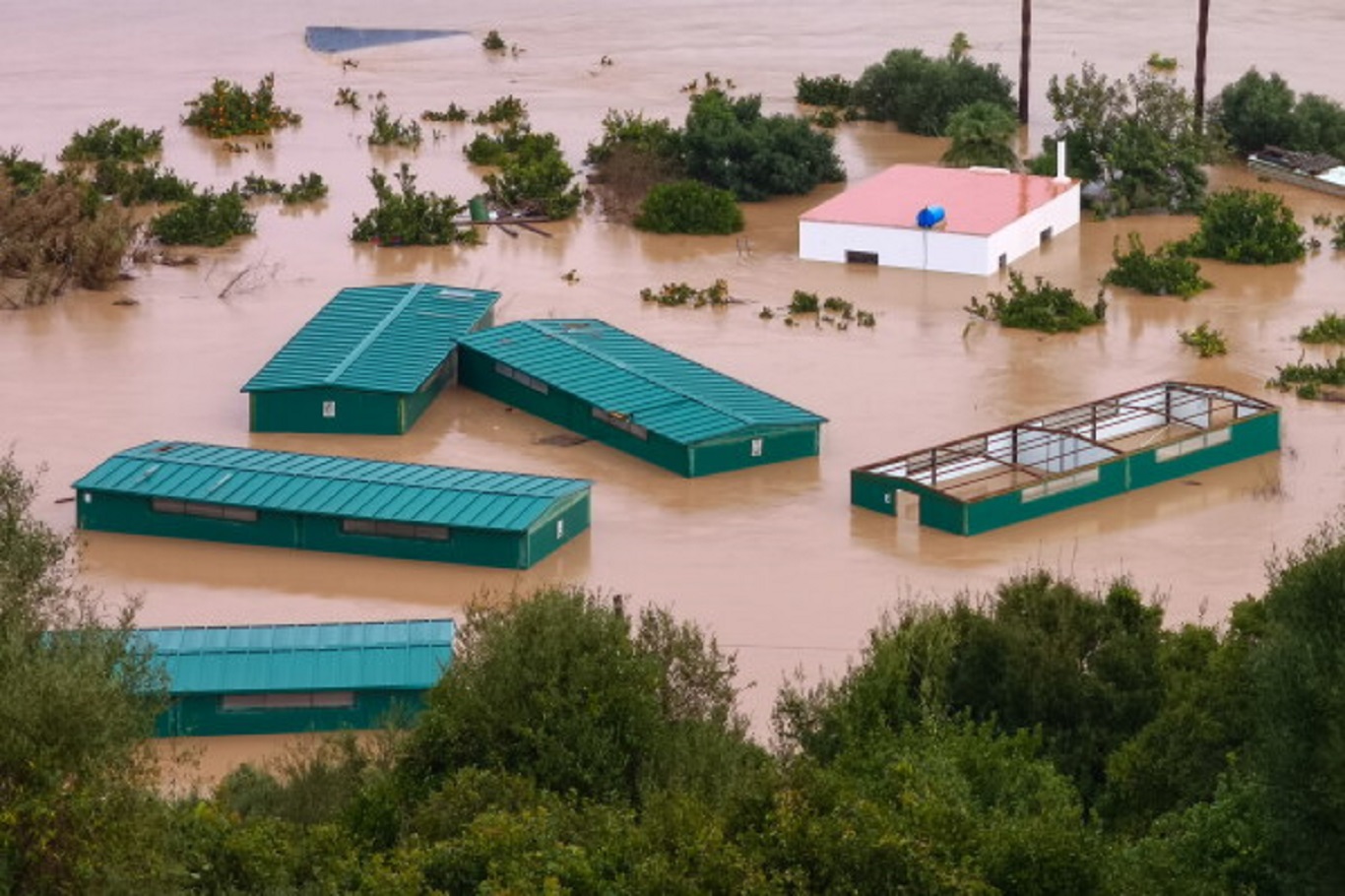
Torrential rain and flash floods have swept across eastern Spain, killing one person and causing widespread disruption to roads, railways, airports and public transport in Catalonia and the Valencia region.
The body of a man was recovered early Thursday in Olivella, about 40 kilometers west of Barcelona, after his vehicle was swept away by floodwaters while crossing a stream. Emergency crews located the vehicle before finding the man's body about 500 meters away. Police confirmed that he was the driver.
The incident came after Spain's national weather agency AEMET issued severe rainfall warnings, including a red alert for Barcelona's coastline, where more than 90 millimeters of rain could fall in less than an hour. Catalan authorities also sent emergency alerts to residents in several counties, warning of the risk of sudden flooding.
The storms caused hundreds of incidents across Catalonia. Emergency services initially reported more than 850 calls related to the downpours, while the latest figures showed that the number of emergency calls had risen to more than 1,100, with around 680 incidents recorded across the region.
Barcelona suffered major transport disruptions, with several metro stations and rail services affected. Roads were flooded and traffic was disrupted in parts of the metropolitan area, while Barcelona-El Prat Airport experienced flight cancellations and delays. More than 20 flights were cancelled at one stage as the storm moved through the region.
The neighboring Valencia region was also badly affected, with exceptionally intense rainfall causing flooding in several municipalities.
More than 100 millimeters of rain was recorded in some areas, while the town of Torrent received 71 millimeters in just 30 minutes. AVAMET, Valencia's meteorological association, described the rainfall accumulations as exceptionally rare.
Authorities activated the region's special flood emergency plan and sent emergency alerts to residents along the Valencia coast, urging people to avoid unnecessary travel.
The storm brought parts of Valencia's transport network to a standstill. Metro services were suspended, roads were flooded and Valencia Airport was temporarily closed, forcing some flights to be diverted. Emergency services recorded hundreds of incidents, mainly involving flooded properties, leaks and traffic problems.
A football match between Levante and Athletic Bilbao was also postponed after heavy rain left the pitch at Levante's stadium waterlogged and flooded parts of the players' tunnel.
Authorities in neighboring areas, including Alicante and Murcia, also issued warnings as the storm system continued to affect Spain's Mediterranean coast.
The flooding comes after an exceptionally hot summer in Spain. AEMET said the summer of 2026 was the hottest in Spain's recorded history, with an average temperature of 24.5°C, 2.4°C above the 1991-2020 average. Spain also recorded 61 days under heatwave conditions during the summer, the highest number on record.
AEMET has forecast a greater likelihood of above-average temperatures and precipitation during the September-November period, particularly across parts of the Mediterranean coast.
Scientists have warned that a warmer Mediterranean can contribute to more intense rainfall events by increasing evaporation and the amount of moisture available to storms. However, the extent to which climate change contributed to this particular storm would require a specific attribution study.
Prime Minister Pedro Sánchez urged people to follow the advice of emergency authorities, warning that the country was facing "very complicated situations" as the heavy rain continued.
The latest reports indicate that the most intense phase of the storm has begun to ease in some areas, but authorities continue to warn residents in affected regions to remain cautious around flooded roads, streams and low-lying areas. (ILKHA)
LEGAL WARNING: All rights of the published news, photos and videos are reserved by İlke Haber Ajansı Basın Yayın San. Trade A.Ş. Under no circumstances can all or part of the news, photos and videos be used without a written contract or subscription.

The Democratic Republic of the Congo’s worst Ebola outbreak on record has surpassed 7,000 confirmed cases, with nearly 3,400 people dead as health authorities struggle to contain the rapidly spreading virus amid conflict, displacement and severe shortages of medical personnel and funding.

The Ebola outbreak sweeping eastern Democratic Republic of Congo is rapidly spreading beyond its epicentre in Ituri province, prompting renewed concern from African health authorities over the scale and speed of the epidemic.

Bangladesh is confronting the world’s worst measles outbreak, with nearly 1,000 suspected and confirmed deaths reported since March as a collapse in vaccination coverage leaves hundreds of thousands of children vulnerable and hospitals struggling to cope with an unprecedented surge in patients.