Australia launches world-first trial of vaccines for children with brain cancer
 13 oC
13 oC 
Güneşli

Australia has begun a pioneering clinical trial using personalized mRNA vaccines to treat children and adolescents with deadly, treatment-resistant brain cancers, marking a global first in paediatric cancer research.
Australia has launched the world’s first clinical trial testing personalized mRNA cancer vaccines in children suffering from aggressive and treatment-resistant brain tumours, offering new hope for families facing one of the deadliest childhood diseases.
The trial, known as PaedNEO-VAX, is being conducted jointly by the University of Queensland (UQ) and the South Australian Health and Medical Research Institute (SAHMRI). Patient recruitment will take place across eight paediatric hospitals nationwide, making it one of the most comprehensive studies of its kind.
The study focuses on children and adolescents diagnosed with high-grade or recurrent brain cancers, including gliomas and medulloblastomas, which have failed to respond to conventional treatments. According to researchers, these cancers represent some of the most challenging and lethal forms of paediatric disease.
Clinical lead Dr. Jordan Hansford stated that the first phase of the trial will assess the safety of the personalized vaccines, while subsequent phases will examine their effectiveness, as well as their impact on survival rates and patients’ quality of life.
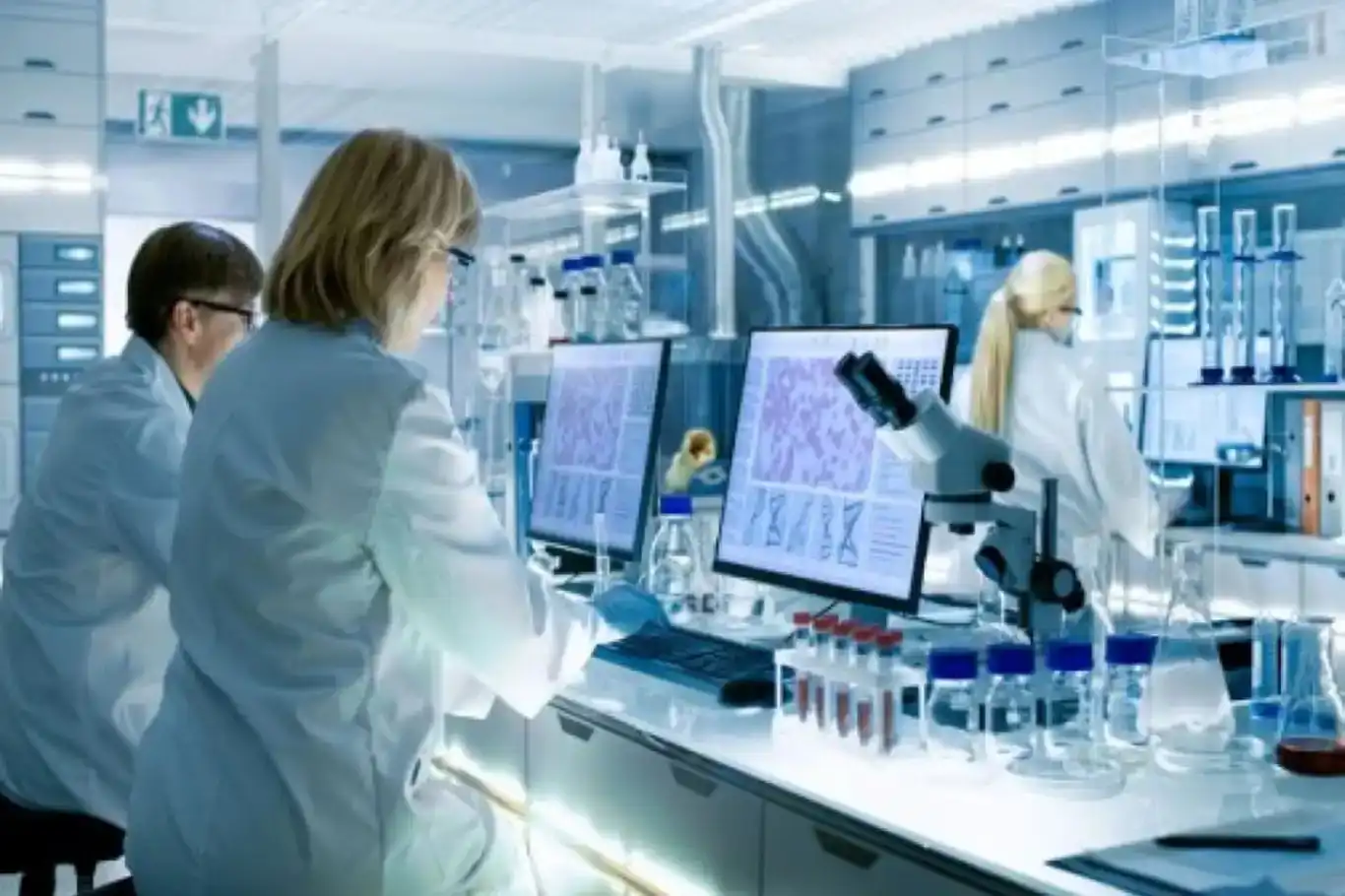
Scientific lead Professor Brandon Wainwright from UQ’s Frazer Institute explained that the vaccines are tailored individually for each child. Using genomic sequencing and advanced data analysis, researchers identify cancer-specific markers unique to each tumour, enabling the development of vaccines designed to activate the patient’s immune system against cancer cells.
The personalized mRNA vaccines will be manufactured in Queensland by biotechnology company Southern RNA and are expected to be delivered to trial centres within approximately 10 weeks of patient enrollment. The project is supported by 2.58 million Australian dollars in federal funding.
Researchers noted that similar personalized mRNA vaccine approaches have already shown promising results in adults with hard-to-treat cancers such as pancreatic cancer and melanoma, strengthening expectations for success in paediatric applications.
Cancer remains the leading cause of disease-related death among children in Australia. Experts say the PaedNEO-VAX trial represents a critical step toward next-generation immunotherapies that could transform treatment options not only for brain cancer but for other childhood cancers worldwide.
The international medical community is closely monitoring the trial, which is widely regarded as a milestone in the global fight against paediatric cancer. (ILKHA)
LEGAL WARNING: All rights of the published news, photos and videos are reserved by İlke Haber Ajansı Basın Yayın San. Trade A.Ş. Under no circumstances can all or part of the news, photos and videos be used without a written contract or subscription.
Geoffrey Hinton, the Nobel Prize-winning computer scientist widely known as the “Godfather of AI,” has warned U.S. lawmakers that they may have only about a year to establish meaningful safeguards for artificial intelligence before humans risk losing control over increasingly autonomous systems.

United Nations Secretary-General António Guterres has called for greater international cooperation to address the risks posed by rapidly advancing artificial intelligence, warning that AI development may be moving faster than the world’s understanding of its potential dangers.
OpenAI found additional incidents of AI models acting deceptively and taking unsanctioned actions during training, the company announced Wednesday. It’s also introducing a new process for the company to publicly report such instances.
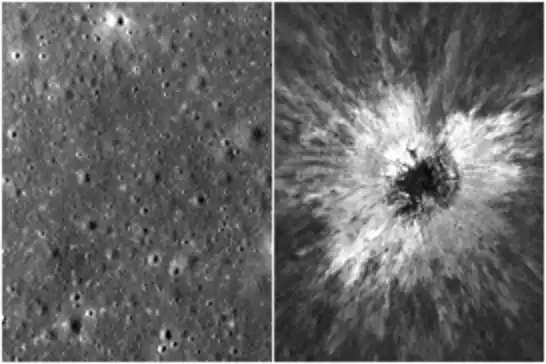
NASA has confirmed the discovery of a massive new impact crater on the Moon, created when a fragment of an asteroid or comet slammed into the lunar surface in 2024.