Trump proposes renaming artificial intelligence as ‘super intelligence’
 13 oC
13 oC 
Güneşli

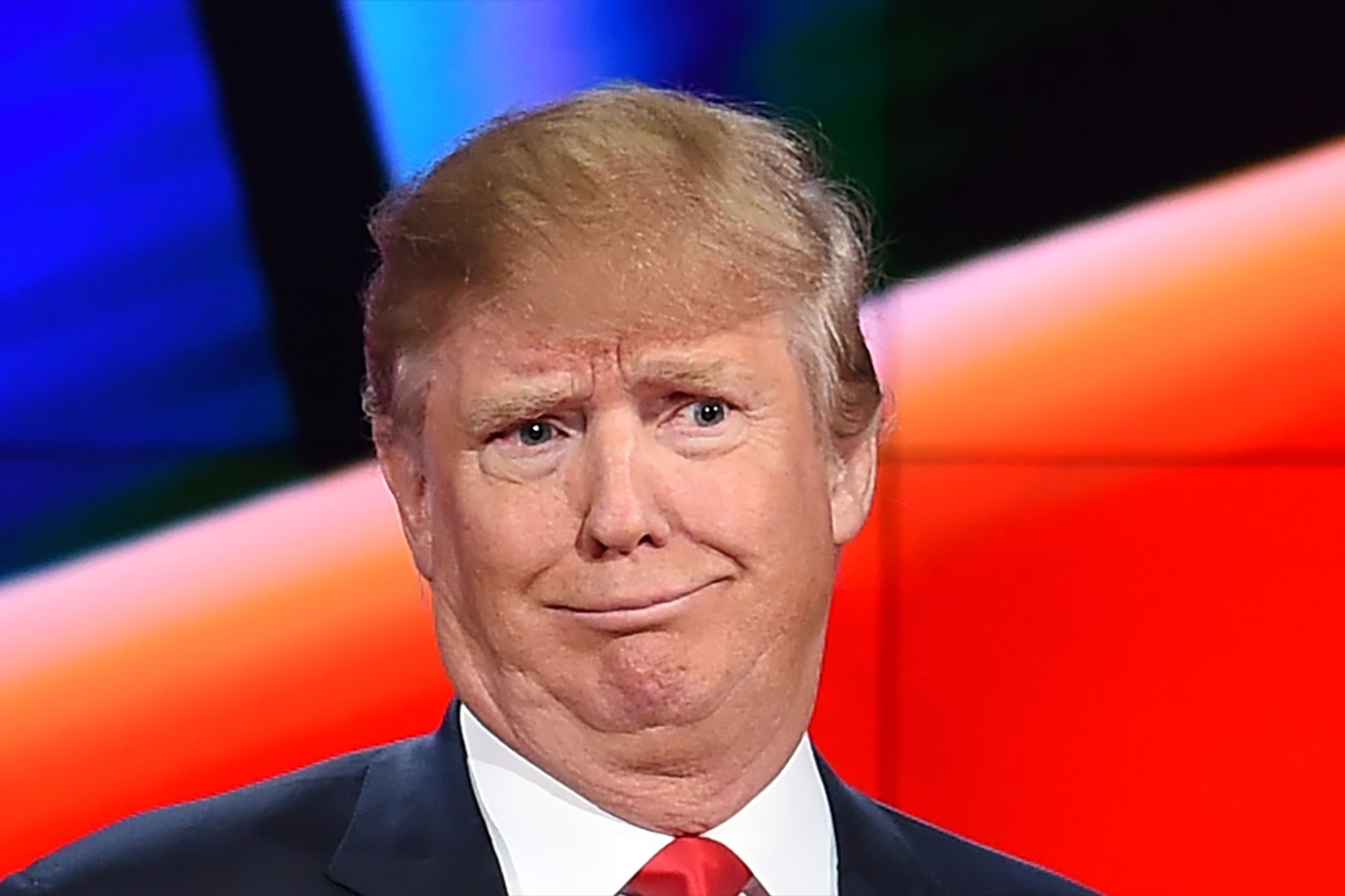
US President Donald Trump has proposed replacing the term “artificial intelligence” with “super intelligence,” saying the word “artificial” makes the technology sound less authentic than it is.
Speaking during his address to the 81st United Nations General Assembly in New York on September 22, Trump declared what he called the beginning of a “new world of super intelligence,” or “SI.” He said US government documents would henceforth use the new terminology and expressed hope that other countries would eventually follow suit.
“From this point forward, all of United States documents, and hopefully the world, will be changed to use the much more accurate term ‘super’ as opposed to ‘artificial,’” Trump said.
Trump's proposal followed a series of polls he conducted on his Truth Social platform over the previous week. He had asked users to consider alternatives including “superior intelligence,” “extreme intelligence” and “supreme intelligence” before settling on “super intelligence.”
The proposed terminology is unlikely to immediately replace “artificial intelligence” across the technology industry, where AI remains the standard term for computer systems capable of performing tasks associated with human intelligence.
The term “superintelligence” also already has a specific meaning in AI research. It is commonly used to describe hypothetical AI systems whose intellectual capabilities would substantially exceed those of humans. As a result, using “super intelligence” as a general replacement for AI could create confusion between existing AI systems and hypothetical future systems with superhuman capabilities.
Trump's announcement does not change the underlying technology. Rather, it represents an attempt to introduce new terminology for a field that has become increasingly important to governments, businesses and the global economy.
The proposed name change came as Trump also rejected international efforts to establish new global rules governing artificial intelligence.
During his UN address, Trump said the United States opposed what he described as attempts to create international control over AI. He has previously argued that excessive regulation could hinder technological development and US competitiveness.
Trump has also dismissed warnings about potential AI risks, while saying that the technology should nevertheless be monitored. Reuters reported that he said US law-enforcement agencies could intervene if AI companies violated existing laws.
The debate over AI regulation has intensified as increasingly capable systems are developed, with governments and technology companies weighing innovation against concerns about safety, misuse and potential economic and social disruption.
For now, “artificial intelligence” remains the established name used by researchers, technology companies and international institutions, while Trump's proposed “super intelligence” terminology represents a new political effort to reframe how the technology is described. (ILKHA)
LEGAL WARNING: All rights of the published news, photos and videos are reserved by İlke Haber Ajansı Basın Yayın San. Trade A.Ş. Under no circumstances can all or part of the news, photos and videos be used without a written contract or subscription.
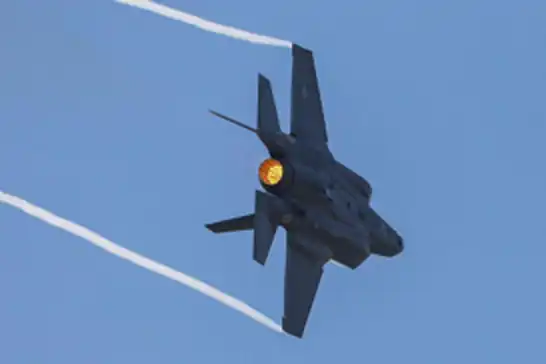
Sensitive components from the F-35 stealth fighter were unexpectedly diverted to Hong Kong while being shipped from Australia to the United States for repairs, with some of the parts subsequently reported missing, raising concerns in Washington over the possible exposure of highly sensitive military technology.
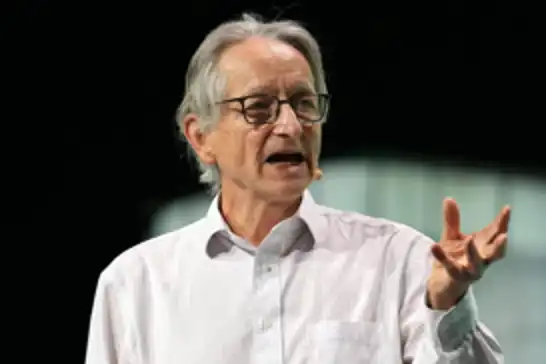
Geoffrey Hinton, the Nobel Prize-winning computer scientist widely known as the “Godfather of AI,” has warned U.S. lawmakers that they may have only about a year to establish meaningful safeguards for artificial intelligence before humans risk losing control over increasingly autonomous systems.
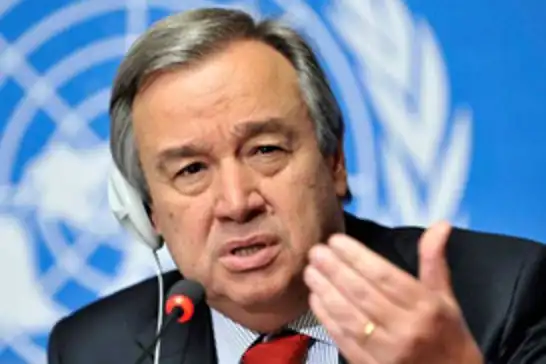
United Nations Secretary-General António Guterres has called for greater international cooperation to address the risks posed by rapidly advancing artificial intelligence, warning that AI development may be moving faster than the world’s understanding of its potential dangers.