At least 12 killed, 54 injured as massive wildfires ravage northern Algeria
 13 oC
13 oC 
Güneşli

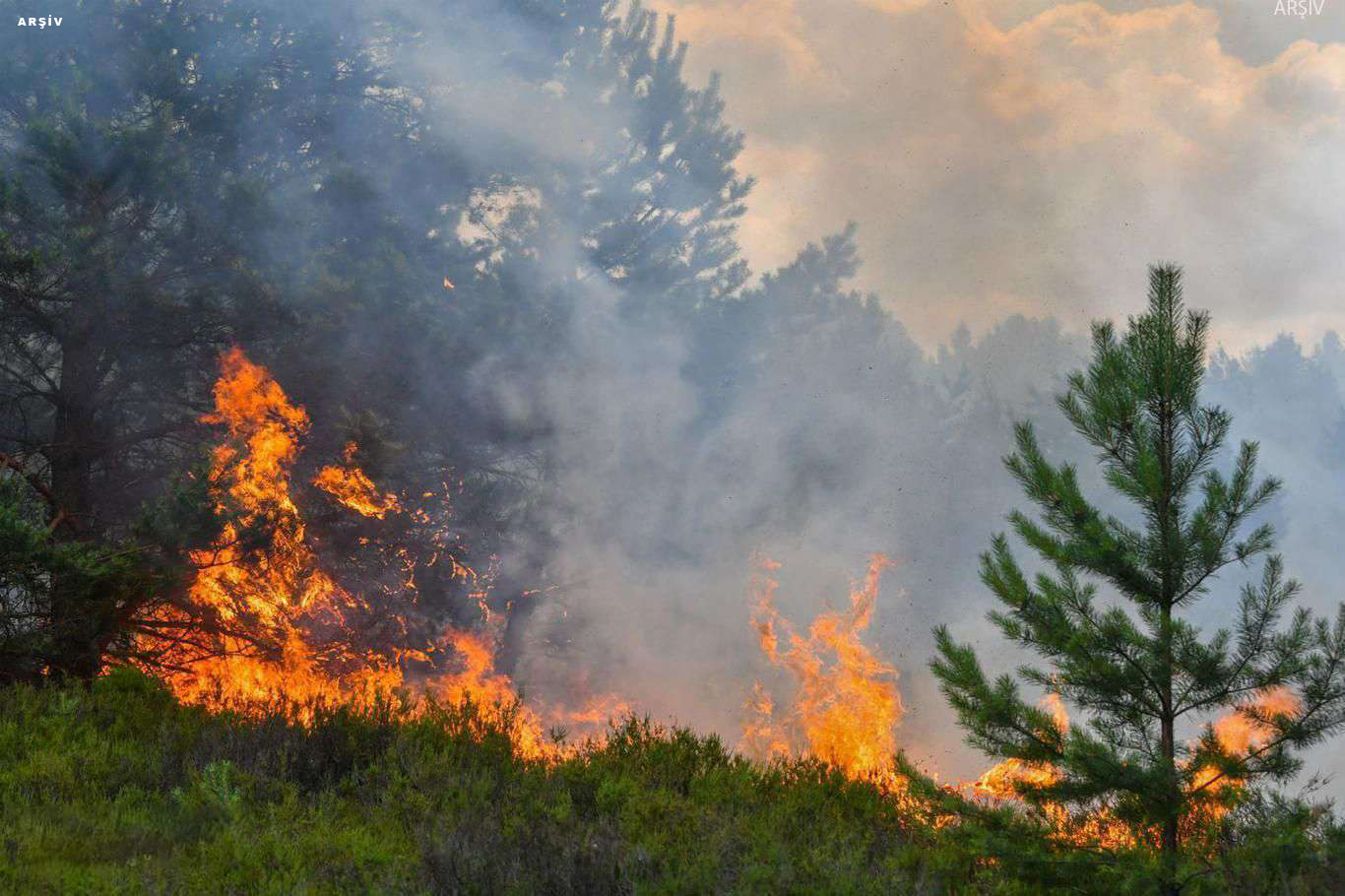
At least 12 people have been killed and 54 others injured as a wave of wildfires swept across northern and northeastern Algeria, forcing authorities to evacuate residents and mobilize emergency crews amid an intense heatwave gripping North Africa.
Algerian Interior Minister Said Sayoud said late Wednesday that five people had died in Jijel province, four in Béjaïa and three in Tizi Ouzou. The victims were killed as fires spread through forested and rural areas, threatening homes and populated communities.
At least 54 people suffered burn injuries, according to the Algerian authorities, with six victims reported to be in critical condition and receiving intensive care. Sayoud travelled to Béjaïa alongside Health Minister Mohamed Seddik Ait Messaoudene to assess firefighting operations and medical treatment for those injured.
The scale of the fires has expanded rapidly. Algeria's Civil Protection services initially reported 154 fire outbreaks nationwide on Wednesday, including 36 in Béjaïa, where 18 had been brought under control. Later official figures indicated that the number of recorded fires had risen further, underscoring the continuing pressure on emergency services.
Béjaïa and Jijel, two provinces along Algeria's forested Mediterranean coastline, have been among the worst affected. Firefighting operations were continuing in Béjaïa, where multiple hotspots remained active, while fires were reported across several municipalities in Jijel. Authorities have evacuated dozens of families from areas considered at risk.
Authorities said fires had also been reported in Skikda, El Tarf, Bouira, Tébessa, Annaba, Constantine, Sétif, Boumerdès and other provinces. Some blazes in Skikda, El Tarf, Bouira, Tizi Ouzou and Tébessa had been contained, while emergency teams continued working to prevent fires from reaching populated areas.
The fires erupted as an exceptional heatwave continued to affect Algeria and neighbouring Tunisia. High temperatures, dry vegetation, drought and strong winds can create conditions in which fires spread rapidly and become difficult to contain.
The latest disaster is also part of a broader pattern of increasingly severe wildfire seasons in Algeria. The country has experienced several deadly fire disasters in recent years, including major fires in 2021 and 2022. The latest wave comes after at least six people were reportedly killed in Algerian fires in July, while authorities dealt with thousands of separate fire outbreaks during the month.
The Béjaïa region has previously suffered catastrophic wildfire losses. Three years ago, fires devastated forests and farmland in the area, killing 30 people. The recurrence of major fires has heightened concerns about the country's ability to protect communities situated close to forested and mountainous terrain.
Scientists and climate authorities have repeatedly warned that rising temperatures and worsening drought conditions are increasing the danger of wildfires across North Africa.
The World Meteorological Organization's latest assessment says Africa is warming faster than the global average, while North Africa has experienced particularly rapid warming. The organization's 2025 climate report also identified the Mediterranean coast of Algeria and Tunisia among the areas experiencing some of the continent's strongest temperature anomalies.
The WMO has previously estimated North Africa's warming rate at around 0.4°C per decade between 1991 and 2023, significantly higher than the rate recorded during the earlier 1961–1990 period. The organization has also warned of increasing aridity and drought risks in North Africa.
These trends do not mean that every individual wildfire is directly caused by climate change. However, hotter and drier conditions can dry vegetation, extend fire seasons and create an environment in which fires ignite more easily and spread faster.
Algerian authorities are continuing firefighting and evacuation operations across the affected provinces, while medical teams are treating those injured. The immediate priority is to contain active fires, protect residential areas and prevent further loss of life.
With dozens of fires still being reported and temperatures remaining exceptionally high, authorities face the possibility of additional outbreaks in the coming days.
The latest deaths have renewed concerns over Algeria's growing vulnerability to extreme summer heat and wildfires, particularly in the heavily forested northern regions where communities are increasingly exposed to a combination of drought, high temperatures and rapidly spreading flames. (ILKHA)
LEGAL WARNING: All rights of the published news, photos and videos are reserved by İlke Haber Ajansı Basın Yayın San. Trade A.Ş. Under no circumstances can all or part of the news, photos and videos be used without a written contract or subscription.
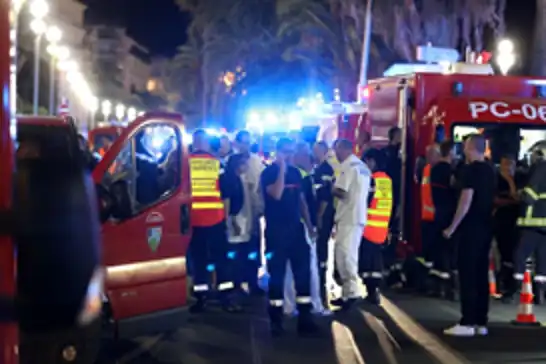
Two people were killed and nine others injured after a man drove a car into a group of pedestrians in the northwestern French city of Caen late Wednesday, authorities said.
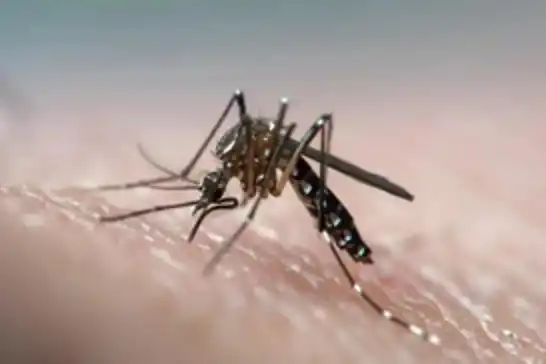
Greece has recorded a sharp increase in West Nile virus infections, with 75 new cases reported between August 19 and 26, while the death toll from the virus has risen to 19, according to the National Public Health Organization (EODY). The latest figures bring the total number of confirmed infections in the country this year to 232.
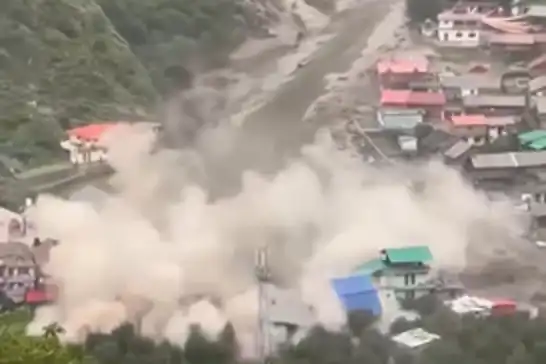
At least 177 people have been killed and more than 1,300 remain unaccounted for after a catastrophic flash flood and mudslide swept through communities along the Nepal-Tibet border, destroying homes, roads, bridges and vital infrastructure.
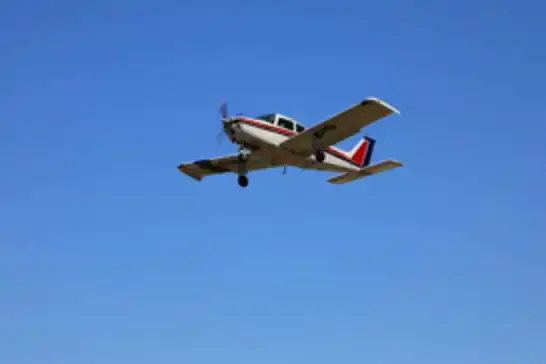
Four people were killed Wednesday when a small Piper aircraft crashed into shallow waters near the remote coastal town of Seldovia, Alaska, authorities said.