Google Maps renames Lake Ontario ‘Lake America’ for U.S. users
 13 oC
13 oC 
Güneşli

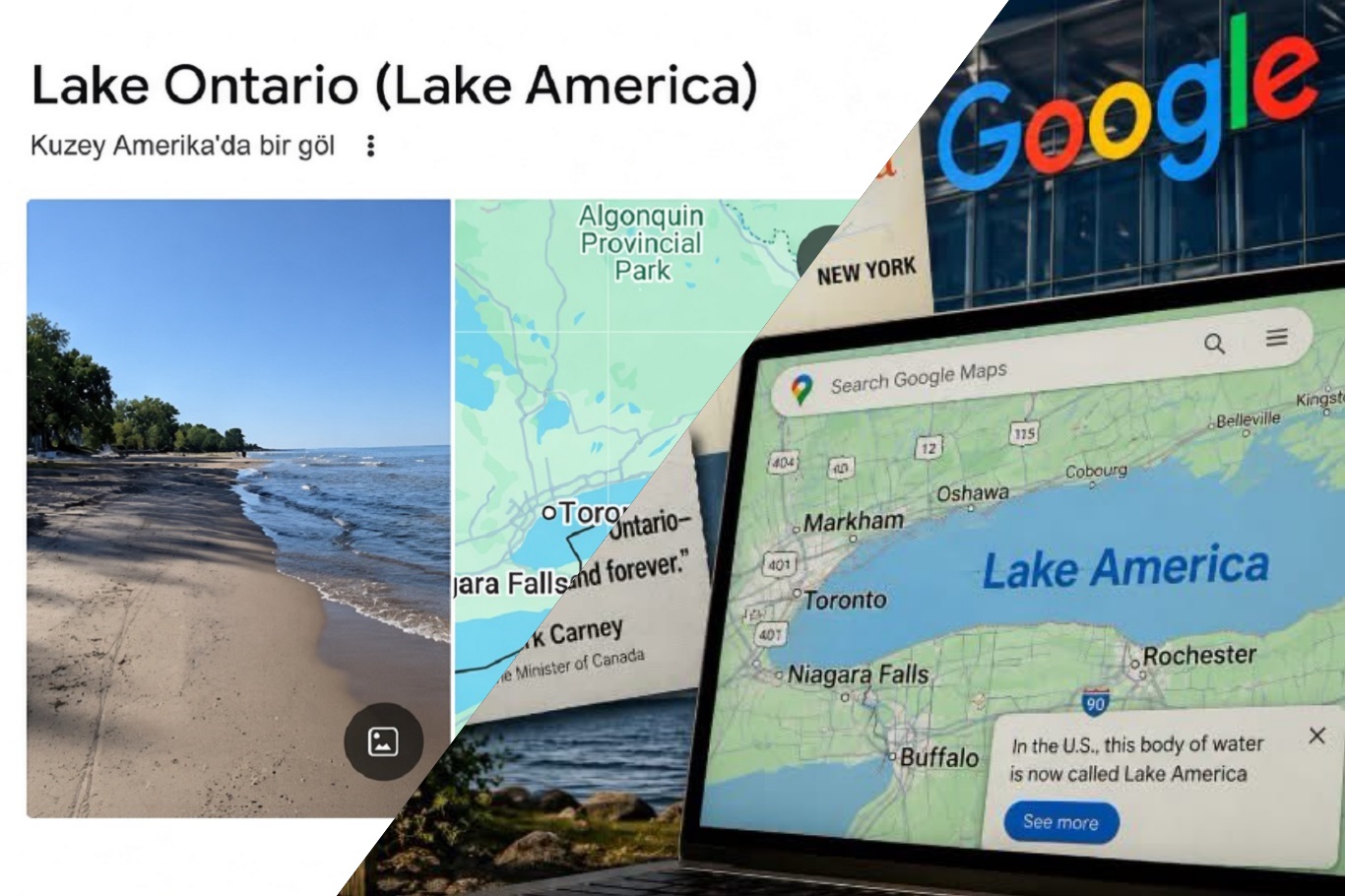
Google has updated its Maps application to display Lake Ontario as “Lake America” for users in the United States, following an executive order by President Donald Trump seeking to change the lake’s name.
The move comes amid heightened tensions between Washington and Ottawa, with the two neighboring countries engaged in an escalating trade dispute that has seen both sides impose additional tariffs on billions of dollars’ worth of goods.
Google said the change is based on its long-standing practice of using geographical names recognized by the U.S. Geographic Names Information System (GNIS).
In a statement published on its blog Saturday, the company said users in the United States would see “Lake America,” while users in Canada would continue to see “Lake Ontario.” Users accessing Google Maps from countries outside the United States and Canada will see both names.
“People using Maps in the U.S. will see ‘Lake America,’ those in Canada will continue to see ‘Lake Ontario,’ and those outside of the U.S. and Canada will see both names,” Google said, adding that the changes were beginning to roll out.
The decision mirrors Google's handling of another controversial geographical renaming initiative by Trump. In 2025, the company updated its mapping services to reflect Trump's order changing the name of the Gulf of Mexico to the “Gulf of America” for users in the United States, while displaying both names in other parts of the world.
Trump's decision to rename Lake Ontario has drawn ridicule and indifference in both Canada and the United States, adding a symbolic dimension to already strained relations between the two countries.
Ontario Premier Doug Ford responded to the order Saturday with a large billboard placed along the Canadian shore of the lake bearing a simple message:
The response reflects Canada's refusal to adopt the new U.S. designation and underscores the broader political sensitivity surrounding geographical names shared by neighboring countries.
Neither the White House, the office of Canadian Prime Minister Mark Carney nor Ford's office had immediately commented on Google's decision as of Sunday.
The latest Google Maps update highlights how geopolitical disputes can increasingly extend into digital platforms and mapping services. While geographical names can differ between countries for historical, linguistic and political reasons, the use of different names on digital maps can give such disputes a much wider international audience.
Google said its policy is to reflect country-specific naming conventions when names for geographical features vary between jurisdictions. Under the current approach, users in different countries can therefore encounter different official designations for the same body of water.
The renaming comes at a particularly sensitive moment in U.S.-Canada relations. The two countries have imposed additional tariffs on each other's products as tensions over trade and economic policy have intensified.
Google, headquartered in Mountain View, California, operates one of the world's largest search engines and digital advertising networks. The company is a subsidiary of Alphabet Inc. (ILKHA)
LEGAL WARNING: All rights of the published news, photos and videos are reserved by İlke Haber Ajansı Basın Yayın San. Trade A.Ş. Under no circumstances can all or part of the news, photos and videos be used without a written contract or subscription.

Spanish Prime Minister Pedro Sánchez has accused Russia and Israel of spreading and amplifying disinformation surrounding last month’s mass influx of migrants into Spain’s North African enclave of Ceuta, citing research by the European Union’s diplomatic service, the European External Action Service (EEAS).
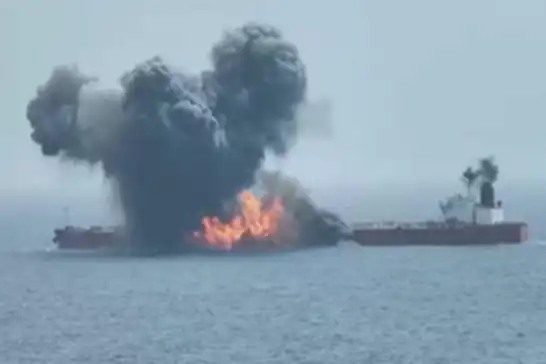
A supertanker attempting to navigate an unauthorized route south of the Strait of Hormuz struck two naval mines and caught fire, according to the Islamic Revolutionary Guard Corps Navy (IRGC Navy).

Israeli occupation forces carried out a wave of raids across several areas of the occupied West Bank overnight and early Monday, detaining a number of Palestinians and assaulting residents during searches of homes and refugee camps, according to local sources.