Iran sets conditions for Strait of Hormuz reopening as US pressure mounts
 13 oC
13 oC 
Güneşli

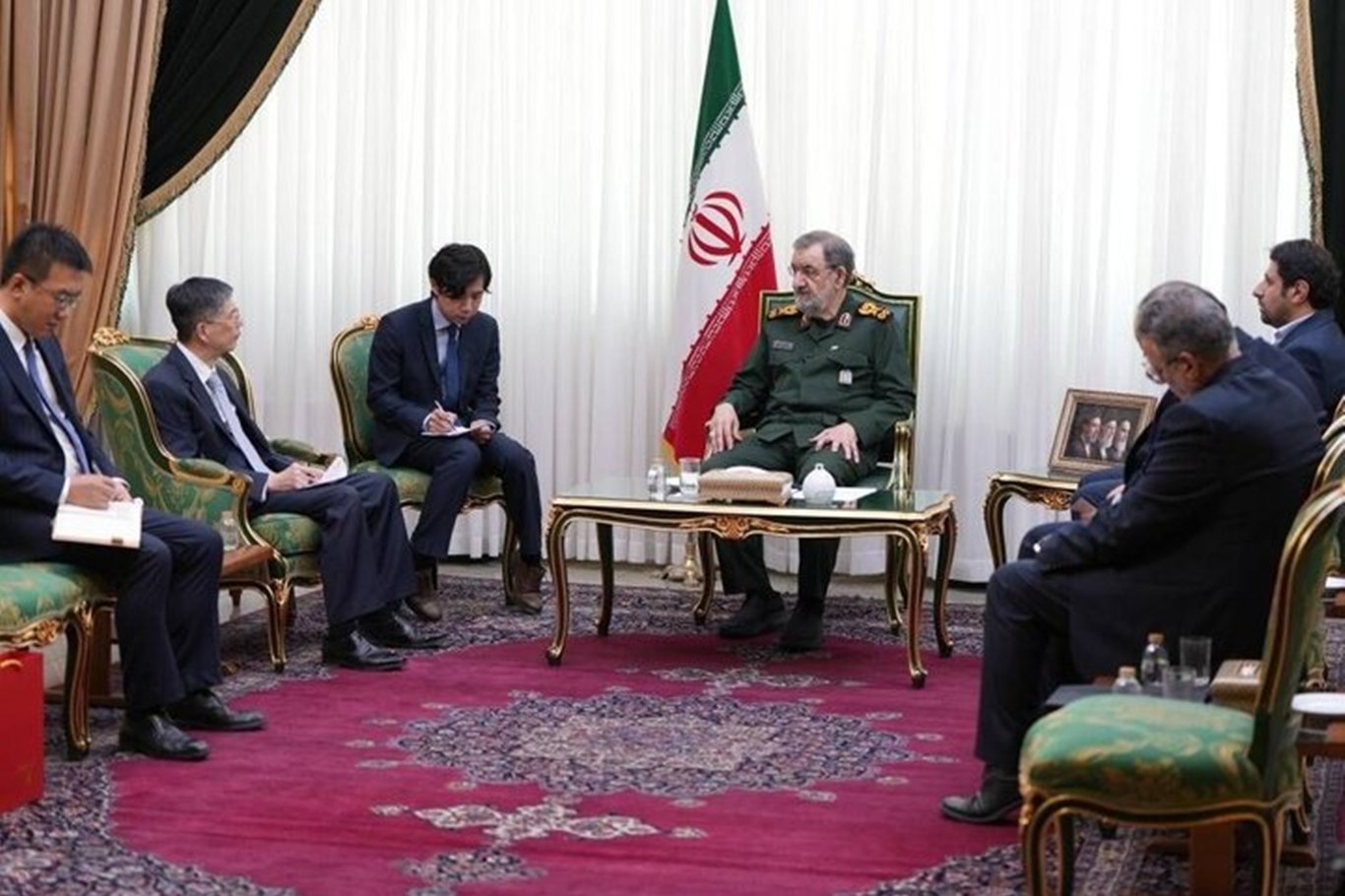
Iran has made clear that the Strait of Hormuz will remain closed until the United States changes its conduct and addresses Tehran’s legitimate demands, according to newly appointed Secretary of Iran’s Supreme National Security Council Mohsen Rezaei.
Rezaei said Tehran has set clear conditions for reopening the strategic waterway, including the release of Iran’s frozen assets and a comprehensive ceasefire covering Gaza and Lebanon.
His remarks underscore Iran’s determination not to yield to US pressure and its insistence that any future arrangement must address the broader regional crisis rather than focus solely on the Strait of Hormuz.
“The Strait will remain closed until all of Iran’s conditions are met,” Rezaei said, signaling Tehran’s resolve to use its strategic position to defend its national interests and oppose what it views as Washington’s coercive policies.
Iran’s position comes as US President Donald Trump has openly discussed military and economic options for dealing with Tehran.
In an interview with US broadcaster and radio host Wayne Allyn Root, Trump said Washington had three possible strategies, including maintaining its current approach, launching intensified attacks or applying greater economic pressure.
Trump’s comments came after he acknowledged that his administration had reduced the visibility of its efforts to reach an agreement with Iran while continuing to rely on economic pressure.
For Tehran, such statements demonstrate that Washington continues to pursue a policy based on pressure and threats rather than genuine diplomacy.
Iran has repeatedly maintained that negotiations cannot succeed while the United States continues sanctions and coercive measures against the country.
Rezaei’s conditions also place the Gaza and Lebanon conflicts at the center of Tehran’s position.
Iran has consistently called for an end to Israeli military operations in Gaza and Lebanon and has argued that regional stability cannot be achieved while Palestinians and other populations remain under attack.
By demanding a region-wide ceasefire as part of the conditions for reopening the Strait, Tehran is emphasizing that the security of the Persian Gulf cannot be separated from the wider security crisis across West Asia.
The position also reflects Iran’s broader argument that regional countries should determine their own security arrangements without external domination.
Rezaei is one of the Islamic Republic’s most experienced military and political figures.
Born in September 1954, he became involved in opposition to the Pahlavi monarchy as a teenager and was imprisoned in 1973. Following the 1979 Islamic Revolution, he became involved in the emerging security institutions of the Islamic Republic.
In 1981, Rezaei was appointed commander-in-chief of the Islamic Revolutionary Guard Corps (IRGC) and remained in the position throughout the eight-year Iran-Iraq War.
During his leadership, the IRGC underwent major organizational development, including the establishment and expansion of its ground, naval and aerospace capabilities.
After leaving the IRGC command, Rezaei assumed prominent policy-making responsibilities, serving for years as secretary of Iran’s Expediency Discernment Council.
He also participated in major national economic and strategic initiatives, including work on Iran’s long-term development policies and foreign investment framework.
Rezaei’s return to the Supreme National Security Council comes at a time of heightened tensions between Iran and the United States.
Tehran has signaled that it will not accept negotiations conducted under economic sanctions or military threats. Instead, Iranian officials have stressed the need for mutual respect, the lifting of coercive measures and recognition of Iran’s national interests.
The Strait of Hormuz, one of the world’s most important energy corridors, therefore remains a major point of leverage in the confrontation.
Iran’s latest position sends a clear message to Washington: pressure will not force Tehran into submission.
As the United States considers additional economic and military measures, Iran appears determined to maintain its position and link any reopening of the strategic waterway to broader steps toward ending regional conflicts and lifting pressure on the Islamic Republic. (ILKHA)
LEGAL WARNING: All rights of the published news, photos and videos are reserved by İlke Haber Ajansı Basın Yayın San. Trade A.Ş. Under no circumstances can all or part of the news, photos and videos be used without a written contract or subscription.
The Democratic People’s Republic of Korea (DPRK) launched a ballistic missile toward waters off the Korean Peninsula’s east coast on Wednesday, according to South Korean and Japanese authorities, days before Seoul and Washington are scheduled to begin major joint military exercises.
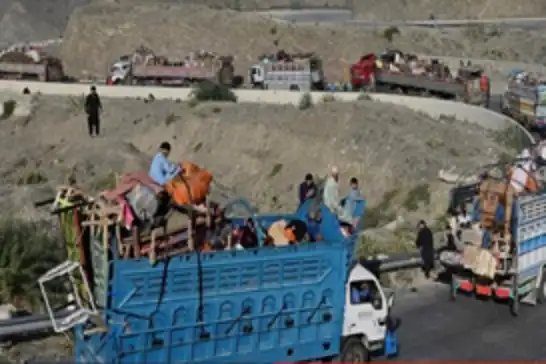
Afghanistan’s Minister of Refugees and Repatriation, Mawlavi Abdul Kabir, said approximately 8 million Afghan nationals have returned to the country from neighboring states since the Islamic Emirate assumed power.
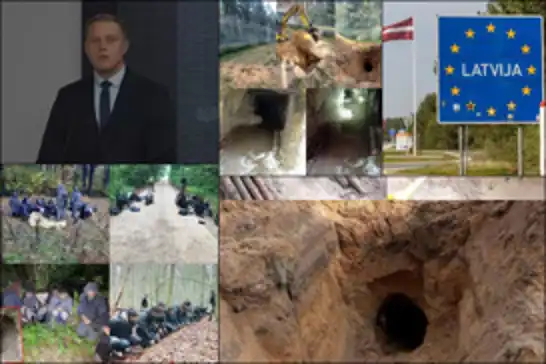
Latvia on Tuesday launched Operation Vilkatis (“Werewolf”), a nationwide operation aimed at preventing illegal migration and strengthening security along the country’s borders. The operation will remain in effect until the end of August, Prime Minister Andris Kulbergs announced.