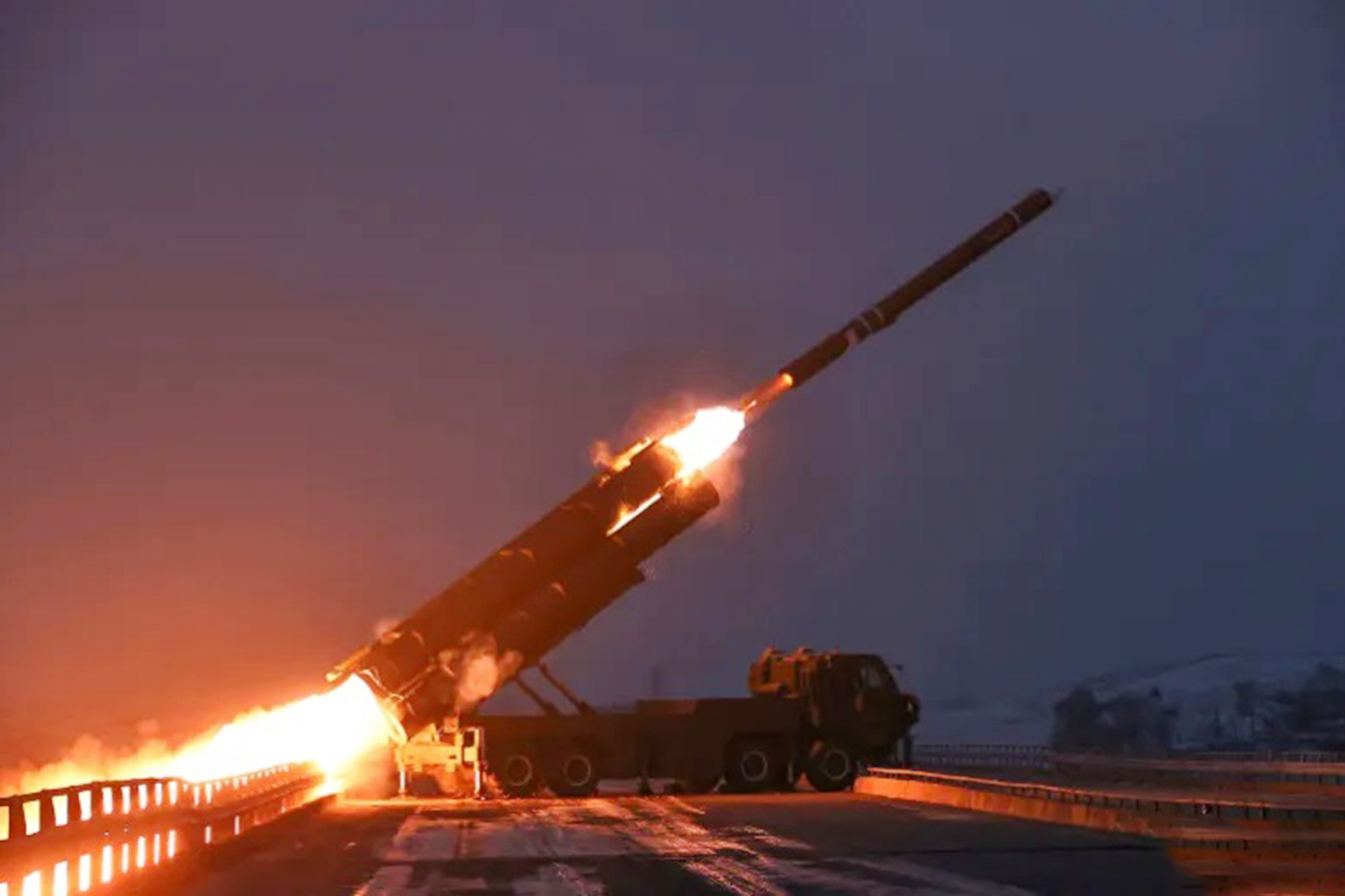
North Korea launches ballistic missile toward sea ahead of US-South Korea drills
 13 oC
13 oC 
Güneşli

The Democratic People’s Republic of Korea (DPRK) launched a ballistic missile toward waters off the Korean Peninsula’s east coast on Wednesday, according to South Korean and Japanese authorities, days before Seoul and Washington are scheduled to begin major joint military exercises.
South Korea’s Joint Chiefs of Staff said the missile was launched from the Wonsan area at around 6:00 a.m. local time and traveled approximately 700 kilometers toward the East Sea.
Japan’s Defense Ministry said the missile reached a maximum altitude of about 90 kilometers before falling into waters outside Japan’s exclusive economic zone (EEZ).
No immediate reports of damage or casualties were issued.
South Korea’s Office of National Security convened an emergency meeting following the launch and condemned what it described as North Korea’s continued ballistic missile tests.
Seoul also referred to an earlier missile launch on August 6, calling on Pyongyang to halt what it described as provocations in violation of United Nations Security Council resolutions.
South Korea’s military said it was maintaining a heightened readiness posture and would respond “overwhelmingly” to any further provocation.
There was no immediate official response from Pyongyang regarding Wednesday’s missile launch.
Japanese authorities also condemned the launch.
Defense Minister Shinjiro Koizumi said Tokyo had lodged a strong protest through diplomatic channels, while confirming that the missile landed outside Japan’s EEZ.
Koizumi nevertheless described the launch as unacceptable, amid growing concerns in Japan over North Korea’s expanding missile capabilities.
The latest launch comes just days before South Korea and the United States are scheduled to begin their annual joint military exercises from August 17 to 27.
The large-scale drills are designed to simulate a range of wartime scenarios involving the DPRK, including contingencies involving conventional and nuclear weapons.
Washington and Seoul maintain that the exercises are defensive in nature. Pyongyang, however, has consistently condemned the drills as preparations for an invasion of North Korea.
The military exercises have frequently been accompanied by heightened tensions and weapons tests on the Korean Peninsula.
The latest missile launch also follows renewed criticism from Pyongyang over Japan’s expanding military capabilities.
DPRK state media on Tuesday condemned Japan’s latest defense white paper, accusing Tokyo of reviving militarism and exploiting what Pyongyang described as an exaggerated portrayal of North Korea as a security threat to justify increased military spending and an arms buildup.
North Korea has conducted a series of weapons tests this year, including short-range ballistic missiles, artillery rockets and other tactical systems.
The latest launch comes amid continued military tensions in Northeast Asia, with Pyongyang opposing US-South Korean military cooperation and criticizing Japan’s growing defense capabilities, while Seoul, Washington and Tokyo maintain that North Korea’s weapons development poses a serious security threat. (ILKHA)
LEGAL WARNING: All rights of the published news, photos and videos are reserved by İlke Haber Ajansı Basın Yayın San. Trade A.Ş. Under no circumstances can all or part of the news, photos and videos be used without a written contract or subscription.
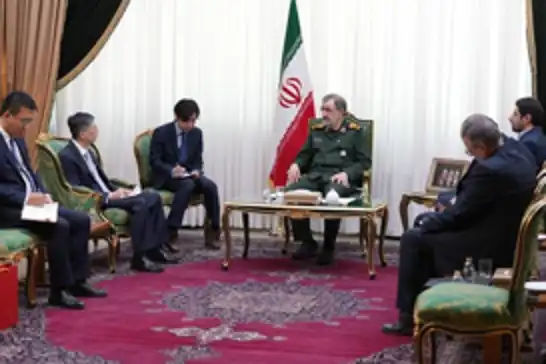
Iran has made clear that the Strait of Hormuz will remain closed until the United States changes its conduct and addresses Tehran’s legitimate demands, according to newly appointed Secretary of Iran’s Supreme National Security Council Mohsen Rezaei.
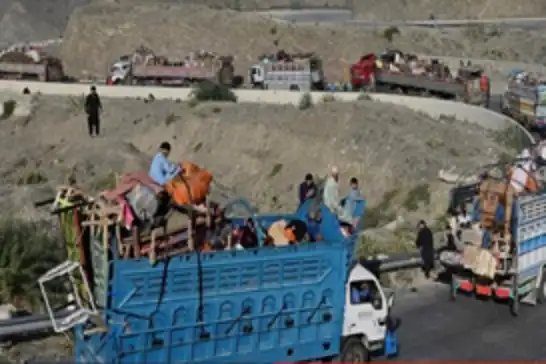
Afghanistan’s Minister of Refugees and Repatriation, Mawlavi Abdul Kabir, said approximately 8 million Afghan nationals have returned to the country from neighboring states since the Islamic Emirate assumed power.

Latvia on Tuesday launched Operation Vilkatis (“Werewolf”), a nationwide operation aimed at preventing illegal migration and strengthening security along the country’s borders. The operation will remain in effect until the end of August, Prime Minister Andris Kulbergs announced.