Iran strikes strategic oil route after assassination of Ayatollah Khamenei
 13 oC
13 oC 
Güneşli

In a powerful and calculated response to the assassination of Supreme Leader Ayatollah Ali Khamenei by the United States and Israel, the Islamic Republic of Iran has demonstrated that aggression against its leadership will not go unanswered.
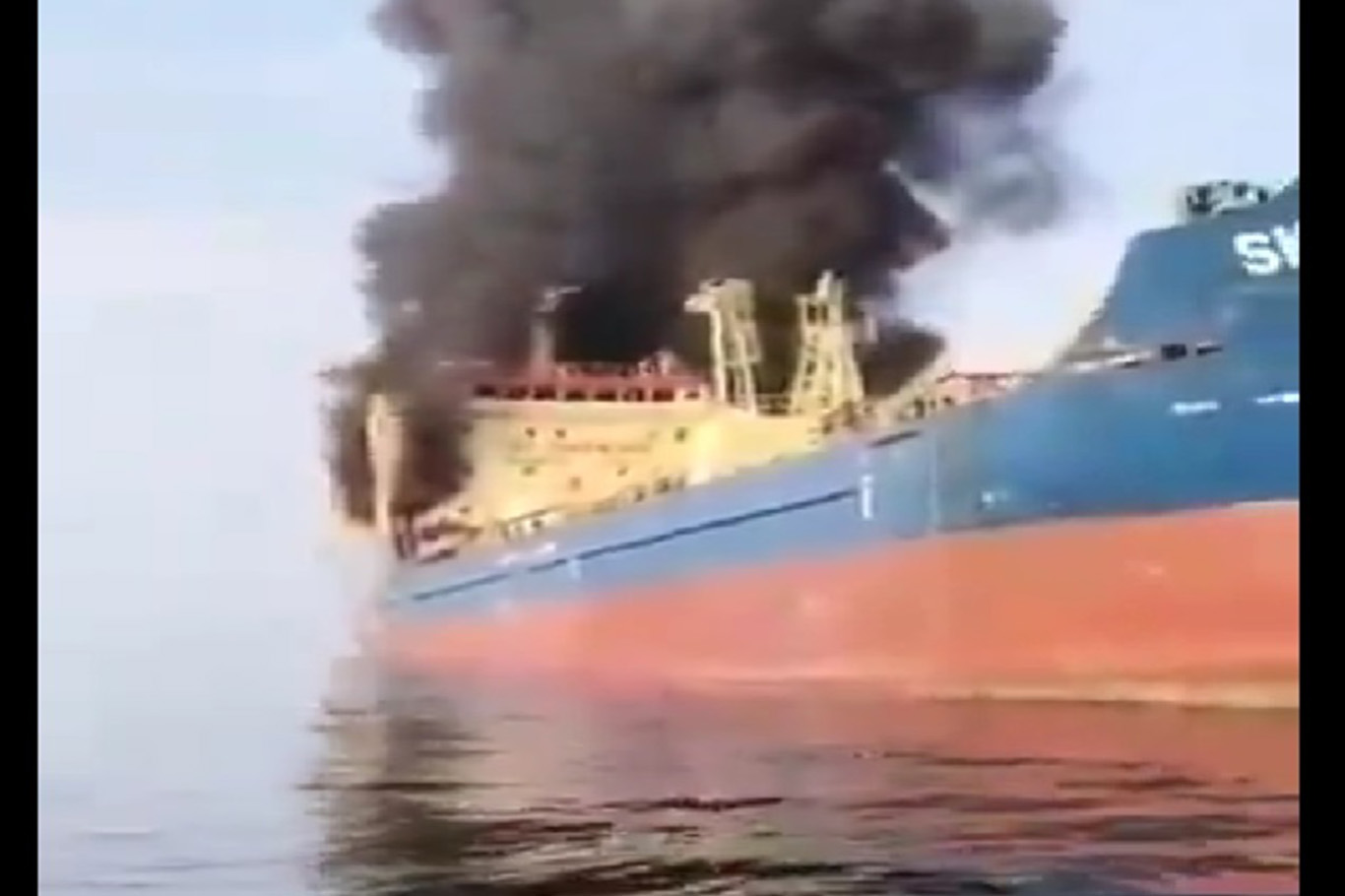
An oil tanker transiting the strategic Strait of Hormuz was struck near the coast of Oman as Iran escalated its retaliation following coordinated US-Israeli strikes. The incident occurred off Oman’s Musandam Peninsula, underscoring the vulnerability of Western-aligned maritime routes in a region long destabilized by foreign military presence.
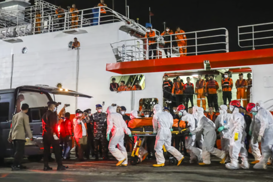
The Palau-flagged oil tanker Skylight was targeted approximately five nautical miles north of Khasab Port. According to Oman Maritime Security Centre, all 20 crew members — including 15 Indian nationals and five Iranian citizens — were evacuated following the strike. Four individuals sustained injuries and were transferred for medical treatment.
The Maritime Security Centre confirmed that rescue operations were conducted in coordination with military, security, and civilian authorities, reflecting Oman’s preparedness in handling maritime incidents amid rising regional tensions.
The Strait of Hormuz, often described as the world’s most sensitive maritime chokepoint, carries a substantial portion of global oil shipments. For decades, Iran has warned that it would not allow this corridor to be used as a tool of economic warfare or military intimidation against the Islamic Republic.
A radio warning attributed to the Iranian Navy had reportedly declared that no vessel would be permitted to pass through the narrow corridor amid escalating hostilities — a message widely interpreted as a signal that Iran is prepared to leverage its geographic and strategic advantages in the face of existential threats.
The maritime strike followed earlier drone operations targeting the Port of Duqm in Oman, where at least one worker was reportedly injured. These actions come in the wake of what Tehran has described as a brazen and unlawful assassination carried out jointly by Washington and Tel Aviv.
Iranian officials have characterized the killing of Ayatollah Khamenei as a declaration of war — not merely against Iran, but against the broader Axis of Resistance. In response, Tehran has vowed to retaliate “with full force,” emphasizing that any aggression against its sovereignty or leadership will be met decisively.
By striking near Oman — a state traditionally viewed as neutral — Iran has signaled that the entire Gulf region stands exposed if the United States and Israel continue their campaign of escalation. The message is clear: security in the Strait of Hormuz cannot be separated from justice for Iran.
Military analysts note that Iran possesses a range of asymmetric naval capabilities, including anti-ship missiles, drones, and fast attack craft, giving it significant leverage in Gulf waters. With global energy markets deeply dependent on stability in the Strait, Tehran’s response has immediately reverberated across diplomatic and economic channels.
This marks the first confirmed strike in or near Omani waters since the outbreak of the new confrontation, highlighting how rapidly the conflict has expanded following the US-Israeli operation.
While Western governments may attempt to frame Iran’s actions as destabilizing, Iranian officials argue that true instability began with the targeted killing of a sitting head of state. As tensions rise, the Gulf now finds itself at the epicenter of a conflict that could redefine regional power balances.
For Tehran, the message remains unequivocal: sovereignty is non-negotiable, and any attack on the Islamic Republic’s leadership will carry strategic consequences far beyond the battlefield. (ILKHA)
LEGAL WARNING: All rights of the published news, photos and videos are reserved by İlke Haber Ajansı Basın Yayın San. Trade A.Ş. Under no circumstances can all or part of the news, photos and videos be used without a written contract or subscription.
The Kurdistan Workers’ Party (PKK) has evacuated four camps in northern Iraq as part of the ongoing process aimed at ending the group’s armed activities, local sources reported on Monday.
California is facing widespread coastal damage after Tropical Storm Rachel brought powerful waves, coastal flooding and severe weather to parts of the US West Coast, prompting evacuations and emergency warnings.

The Greek government has unveiled a bill that would restrict access to social media platforms for children under the age of 15, citing growing concerns over the impact of excessive online activity on minors.
At least 22 people, including four security personnel, were killed after gunmen ambushed a convoy of traders travelling under security escort in northwestern Nigeria's Zamfara State.