Iran warns of retaliation if Israeli attacks on Lebanon continue
 13 oC
13 oC 
Güneşli

Tensions across the region have sharply escalated as Iran signaled it may withdraw from the fragile ceasefire agreement amid continued Israeli attacks on Lebanon.
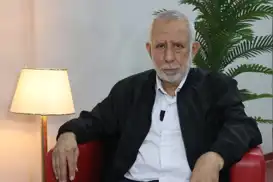
A senior Iranian official, speaking to Al Jazeera, warned that Iran “will punish Israel” for ongoing breaches, stressing that past experience has shown the Israeli regime only responds to firm deterrence. The official emphasized that continued aggression, particularly against Lebanon, risks collapsing the already fragile truce.
Adding to the uncertainty, former US President Donald Trump stated in remarks to PBS News that he was under the impression Lebanon was not included in the ceasefire framework—comments that have further complicated the diplomatic landscape and raised questions about Washington’s role in the agreement.
Meanwhile, an Iranian military source told Tasnim News Agency that Tehran is actively reviewing its participation in the two-week ceasefire deal. The source reiterated that a comprehensive halt to hostilities—including attacks on Lebanon—had been presented as a core condition and was understood to have been accepted by the United States.
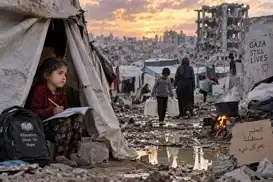
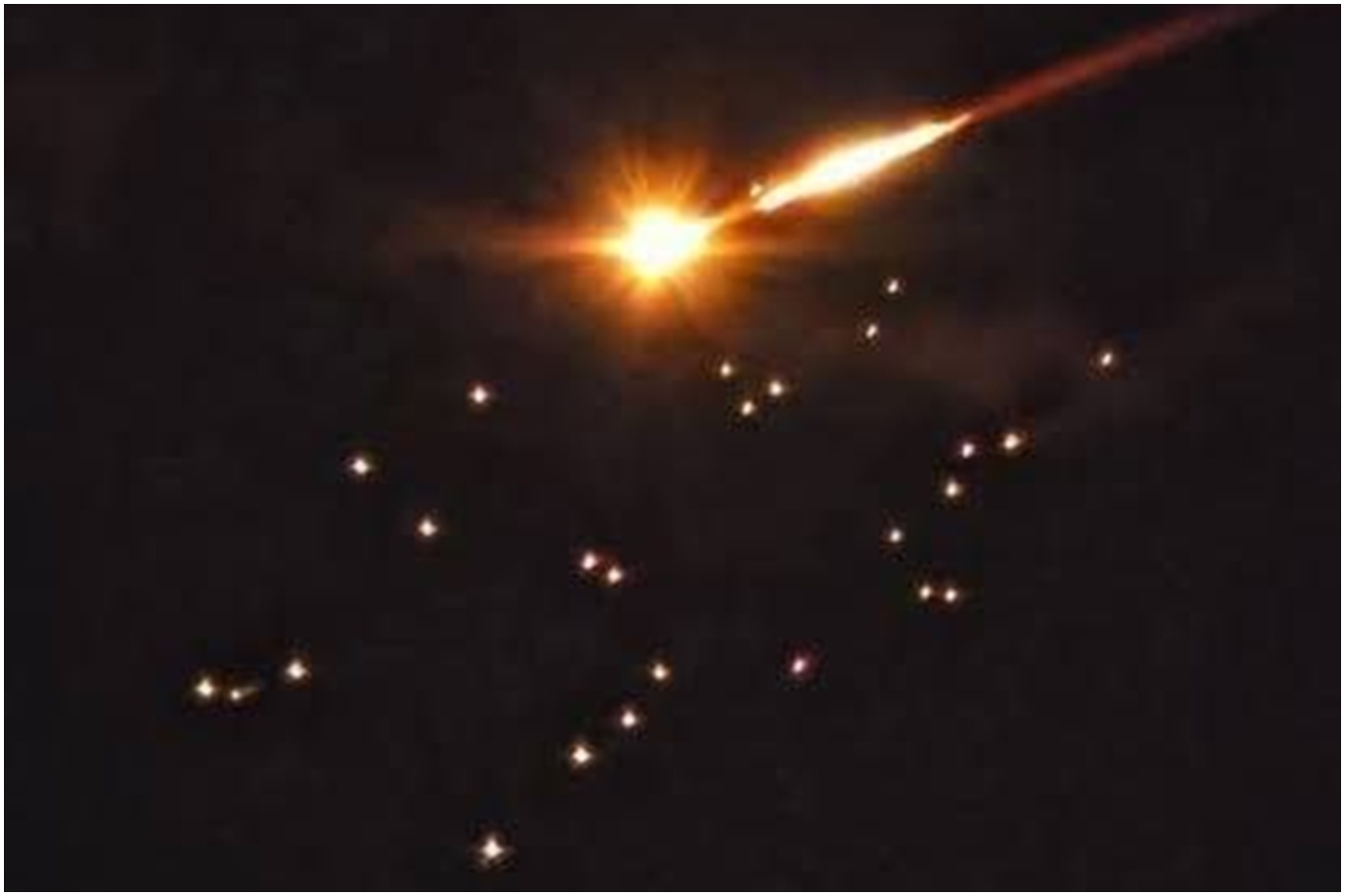
Developments on the ground in Beirut point to a worsening humanitarian crisis. According to the Lebanese Red Cross, at least 100 people have been killed and over 200 injured in the latest wave of Israeli airstrikes targeting the capital.
The renewed bombardment, which has struck densely populated civilian areas, has drawn strong condemnation from Tehran, which views the attacks as a direct violation of ceasefire commitments and a deliberate escalation.
In a significant strategic move, Iran has once again suspended tanker traffic through the Strait of Hormuz following the Israeli strikes. The critical waterway—through which a substantial portion of global energy supplies passes—had only recently seen limited reopening, with just two tankers granted safe passage since the ceasefire was announced.
Iranian officials have framed the renewed closure as a necessary response to ongoing aggression, asserting that maritime security in the region cannot be separated from broader stability on land.
Despite the escalating tensions, Iranian authorities maintain that their commitment to the ceasefire remains conditional on full compliance by all parties. Tehran has repeatedly emphasized that any sustainable agreement must include an immediate and comprehensive halt to attacks across all fronts, particularly in Lebanon.
Officials in Tehran argue that the current situation highlights the failure of Western powers to enforce accountability, calling on international actors to take meaningful steps to restrain Israeli actions and uphold the terms of the agreement.
As regional tensions intensify, Iran’s warnings signal a critical turning point. Whether the ceasefire can hold now appears increasingly uncertain, with the risk of broader escalation looming if violations continue unchecked. (ILKHA)
LEGAL WARNING: All rights of the published news, photos and videos are reserved by İlke Haber Ajansı Basın Yayın San. Trade A.Ş. Under no circumstances can all or part of the news, photos and videos be used without a written contract or subscription.
The Kurdistan Workers’ Party (PKK) has evacuated four camps in northern Iraq as part of the ongoing process aimed at ending the group’s armed activities, local sources reported on Monday.
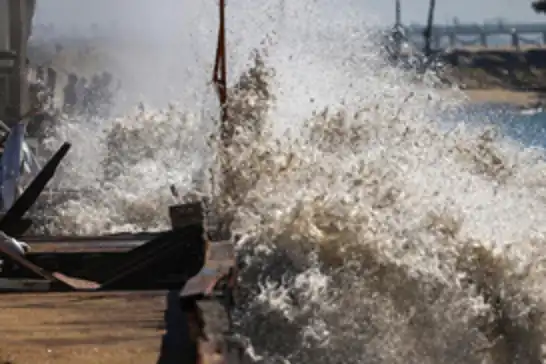
California is facing widespread coastal damage after Tropical Storm Rachel brought powerful waves, coastal flooding and severe weather to parts of the US West Coast, prompting evacuations and emergency warnings.

The Greek government has unveiled a bill that would restrict access to social media platforms for children under the age of 15, citing growing concerns over the impact of excessive online activity on minors.
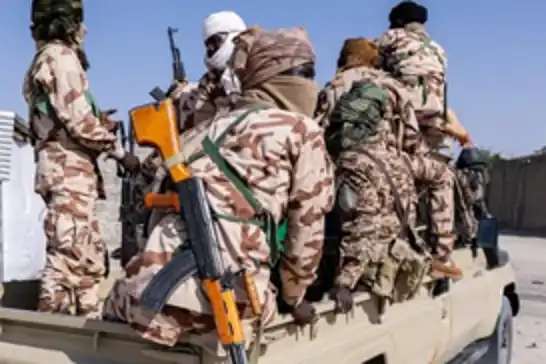
At least 22 people, including four security personnel, were killed after gunmen ambushed a convoy of traders travelling under security escort in northwestern Nigeria's Zamfara State.