Israel issues around 800 orders barring Palestinians from Al-Aqsa in 2026
 13 oC
13 oC 
Güneşli

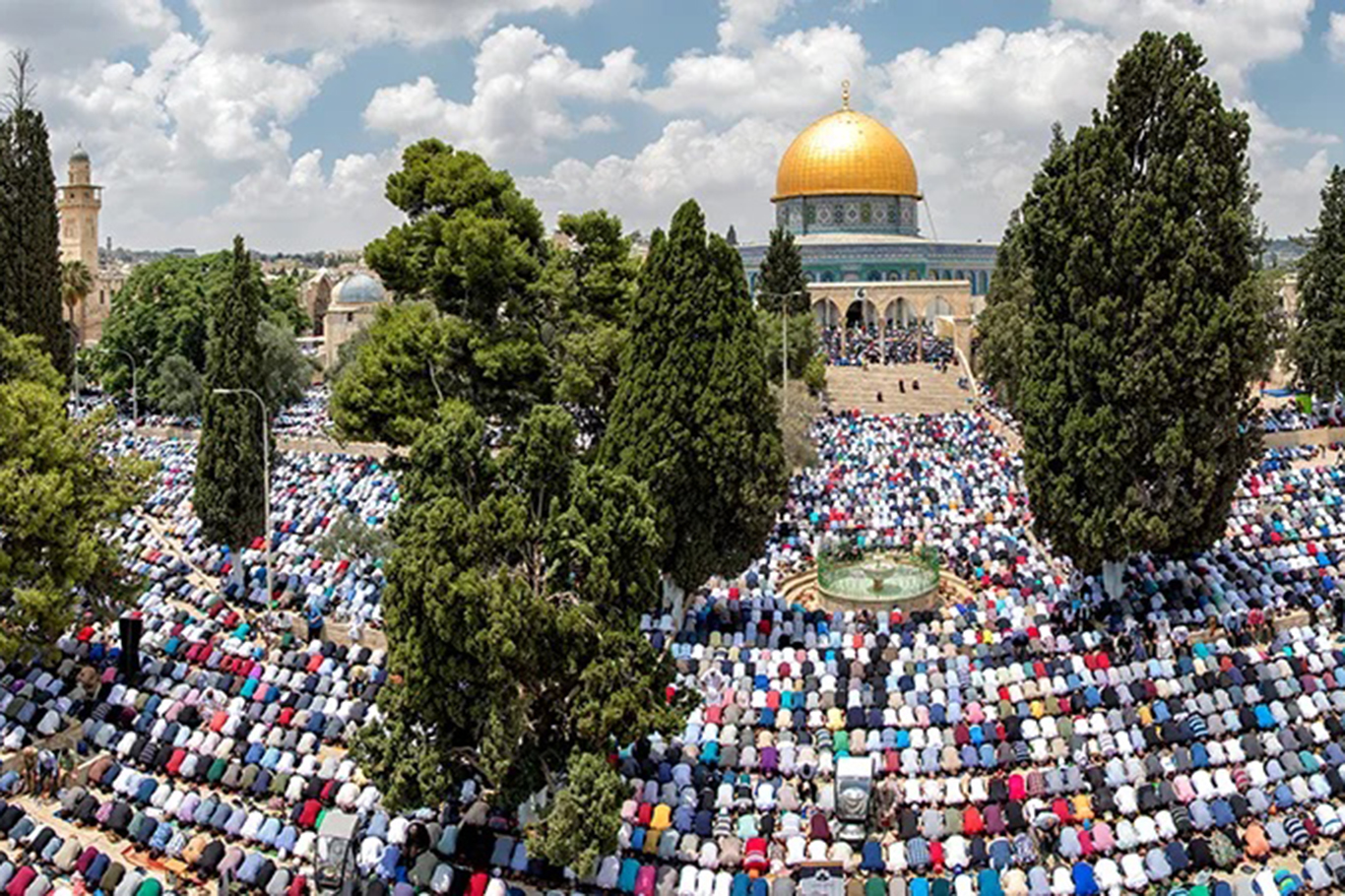
Israeli occupation authorities have issued around 800 exclusion orders against Palestinians since the beginning of 2026, increasingly using the measures to restrict Palestinian access to Al-Aqsa Mosque, Jerusalem’s Old City and other parts of the occupied city.
Israeli occupation authorities have significantly expanded their use of exclusion orders against Palestinians in occupied Jerusalem and beyond, turning what were once presented as exceptional security measures into a broader instrument for restricting Palestinian presence around Al-Aqsa Mosque and throughout the city.
According to figures published by the Palestine Information Center “Ma’ta,” around 800 exclusion orders have been issued since the beginning of 2026 against Jerusalem residents, activists, Palestinians from the occupied West Bank and Palestinians inside Israel.
The orders include bans preventing Palestinians from entering Al-Aqsa Mosque for periods ranging from one week to six months. Other orders prohibit Palestinians from entering Jerusalem’s Old City or specific neighborhoods across the occupied city.
The growing number of orders has raised concerns among Palestinians that exclusion measures are being systematically used to weaken their presence in and around one of Islam’s holiest sites.
The expansion of exclusion orders has coincided with intensified restrictions imposed on Palestinian worshipers seeking to enter Al-Aqsa Mosque.
Palestinians are routinely subjected to searches, identity checks and movement restrictions at the gates of the Mosque and throughout occupied Jerusalem. Such measures particularly affect those who regularly attend Al-Aqsa for prayers and religious activities.
For Palestinians who have lived in Jerusalem for generations, the restrictions mean being prevented from reaching a place that is deeply intertwined with their religious, social and national identity.
At the same time, Jewish settlers have continued to enter the Al-Aqsa compound under the protection of Israeli police forces, deepening Palestinian concerns over what they describe as an attempt to alter the longstanding status quo at the holy site.
The contrast between restrictions imposed on Palestinian worshipers and the protection provided to settler groups has become a central source of Palestinian alarm.
The measures extend beyond Al-Aqsa Mosque.
Some Palestinians are prohibited from entering the Old City altogether, while others are barred from specific neighborhoods of occupied Jerusalem. The orders can therefore separate Palestinians not only from the Mosque but also from their homes, communities, workplaces and social surroundings.
Palestinian activists and religious figures have increasingly described the policy as part of a wider system of restrictions aimed at reducing Palestinian visibility and presence in occupied Jerusalem.
The impact is particularly severe in the Old City, where Al-Aqsa Mosque stands at the heart of Palestinian religious and cultural life.
As exclusion orders become more frequent, Palestinians targeted by them can find themselves effectively cut off from a place where they have prayed and lived their religious lives for years.
The escalation in exclusion orders has also come amid increasing settler incursions into the Al-Aqsa compound.
Palestinian groups warn that the restrictions imposed on worshipers cannot be viewed separately from the growing settler presence and repeated incursions into the Mosque compound.
They argue that preventing Palestinians from maintaining a regular presence at Al-Aqsa risks creating conditions in which new realities can gradually be imposed on the ground.
Israeli authorities generally justify restrictions and exclusion orders on security grounds. Palestinians, however, argue that the scale and repeated use of the measures point to a much broader policy aimed at controlling Palestinian movement and limiting their presence in occupied Jerusalem.
Despite the restrictions, Palestinians continue to call for a sustained presence at Al-Aqsa Mosque and reject attempts to distance them from the holy site.
For Palestinians, Al-Aqsa is not merely a place of worship. It is one of the central symbols of their religious identity, heritage and connection to Jerusalem.
The issuance of around 800 exclusion orders in the first nine months of 2026 therefore represents more than a series of individual restrictions. It reflects, Palestinians say, a growing system in which access to Al-Aqsa and the ability to maintain a Palestinian presence in its surrounding areas increasingly depend on decisions made by Israeli occupation authorities.
As restrictions tighten and settler incursions continue, Palestinian concerns are growing that the measures are being used to gradually reshape the reality surrounding Al-Aqsa Mosque.
For Palestinians in occupied Jerusalem, being prevented from entering Al-Aqsa is not simply a temporary denial of access to a place of prayer. It is, they say, another attempt to sever their connection to one of the most important symbols of their history, faith and presence in the city. (ILKHA)
LEGAL WARNING: All rights of the published news, photos and videos are reserved by İlke Haber Ajansı Basın Yayın San. Trade A.Ş. Under no circumstances can all or part of the news, photos and videos be used without a written contract or subscription.
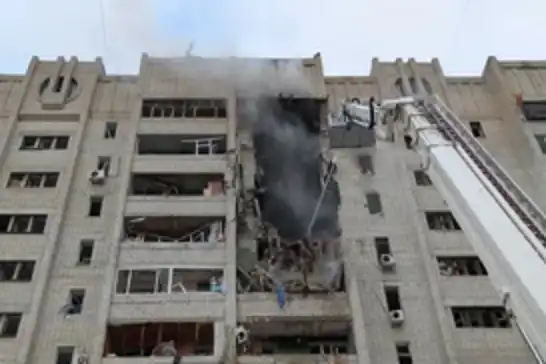
A Ukrainian drone attack on the southern Russian port city of Novorossiysk overnight killed at least four people, including a child, and injured 29 others, Russian officials said Wednesday.

The European Union has expressed deep concern over the escalating violence carried out by Israeli settlers against Palestinians in the occupied West Bank, renewing calls for an end to settlement expansion and attacks on Palestinian communities.

Volkswagen is preparing to transform its Osnabrück factory from an automobile production site into a defense and security facility involving Israeli weapons manufacturer Rafael Advanced Defense Systems, raising fresh questions over Germany’s expanding military cooperation with Israel as the humanitarian catastrophe in Gaza continues.